Lifespan of Mobile Toilets Placed Outdoors
The lifespan of mobile toilets placed outdoors typically ranges from 3 to 50 years, depending on the material, usage environment, and maintenance level. The following analysis focuses on key influencing factors:

I. Material and Craftsmanship Determine the Basic Lifespan
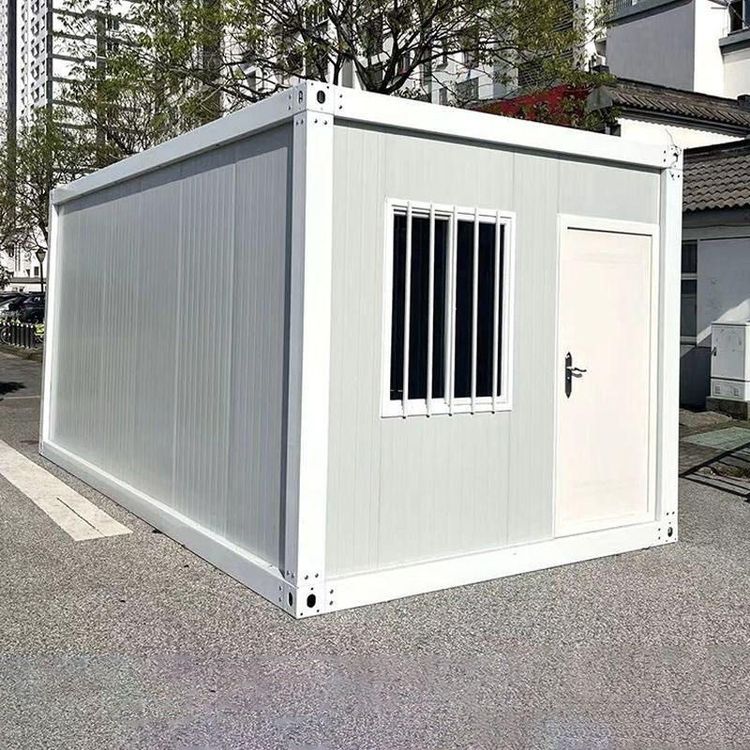
The anti-aging capabilities of different materials vary significantly. Plastic materials (such as polyethylene) are prone to embrittlement due to ultraviolet radiation, with a typical lifespan of 5-8 years. Among metal materials, stainless steel or aluminum alloy can last over 10 years, high-quality steel frame structures treated with anti-corrosion measures can last 15-20 years, and conventional galvanized steel sheets/color-coated steel sheets can still maintain a lifespan of over 10 years under extreme temperatures (-30°C to 50°C). Composite materials (fiberglass reinforced plastic) usually have a lifespan of 8-12 years, but low-end products may develop cracks and leaks within 3 years due to sun exposure. In high-end customized models, fully welded steel frame structures have a lifespan of 10-15 years, and light steel composite walls with professional maintenance can last up to 50 years.
II. Usage Environment Accelerates or Delays Wear and Tear
Extreme climates are the main threat: ultraviolet radiation causes plastic embrittlement, high humidity accelerates metal corrosion, and coastal saline-alkali land or extreme low-temperature environments significantly shorten the lifespan. For example, metal components without anti-corrosion treatment may rust within 5 years in humid environments, while in regions with mild climates and moderate usage frequencies, the lifespan can be extended by more than 30%. Additionally, in high-traffic scenarios (such as scenic spots and stations), the faster wear and tear of vulnerable parts like door locks and faucets require more frequent part replacements; otherwise, the overall lifespan may be shortened by 20%-40%.
III. Maintenance is the Core of Extending the Lifespan
Regular maintenance can increase the lifespan by more than 30%:
- Basic Maintenance: Replace seals every quarter, inspect water supply pipelines, and perform deep cleaning and disinfection to prevent leaks and bacterial growth;
- Part Replacement: Promptly replace damaged door locks, flushing devices, and other vulnerable parts to prevent minor issues from causing structural damage;
- Professional Protection: Regularly apply anti-rust paint to metal components and use ultraviolet protective coatings on plastic components to extend the basic lifespan by 3-5 years;
- Smart Monitoring: Equip with remote fault monitoring systems to improve maintenance response speed by 50% and reduce losses caused by sudden failures.
For example, a scenic spot shortened its maintenance cycle from 3 months to 1 month through a smart system, extending the actual service life of mobile toilets from 12 years to 18 years.
In conclusion, the outdoor lifespan of mobile toilets requires a comprehensive assessment of material, environment, and maintenance. Choosing weather-resistant materials, avoiding extreme environments, and establishing a scientific maintenance system are key to ensuring their long-term stable operation.