
Mobile Toilet Outdoor Installation and Fixation
When installing and fixing mobile toilets outdoors, it is essential to focus on key aspects such as site selection, positioning of the main body, fixation, drainage, and water and electricity connections. The specific points are as follows:
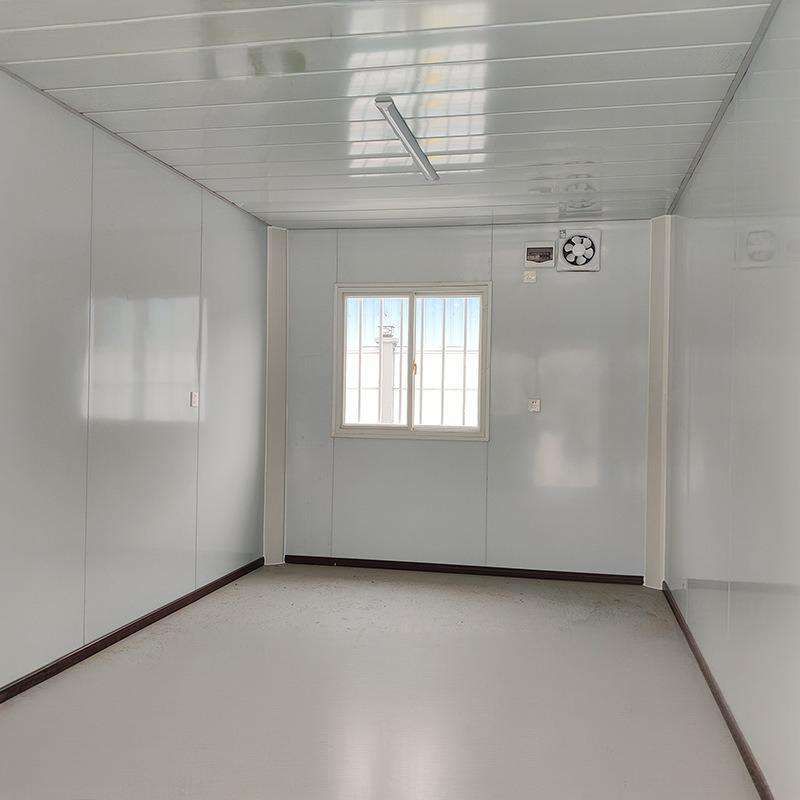
Site confirmation is the fundamental condition for installation. The installation location must be flat and solid to prevent the toilet from tilting or being damaged due to soft ground. It should be kept away from low-lying areas prone to water accumulation to avoid rainwater backflow or long-term soaking, which can affect the lifespan of the equipment. In outdoor scenarios such as construction sites in Jiangxi, additional considerations should be given to the construction environment when selecting a site. Avoid dusty areas (such as sand and gravel storage areas and mixing stations) and heavy machinery operation areas (such as the activity ranges of excavators and cranes) to reduce the risk of dust pollution and mechanical collisions. Prioritize areas with higher elevations and smooth drainage, and reserve at least 0.5 meters of operating space to ensure convenience for personnel maintenance, equipment handling, and daily upkeep.
Positioning of the main body requires ensuring the stable placement of the equipment. After moving the mobile toilet to the designated location through lifting or dragging, check its levelness. If the toilet is equipped with adjustable legs at the bottom, adjust each leg until it touches the ground without any wobbling. If there are no legs, use wooden blocks or moisture-proof pads to assist in leveling to avoid door frame deformation or flushing system failures due to uneven ground.
Fixation measures should be strengthened to enhance wind resistance based on climatic characteristics. Jiangxi experiences many thunderstorms and strong winds in summer. Mobile toilets should be fixed using expansion bolts or counterweights. Expansion bolts are suitable for cement-hardened ground. Drill holes at the preset positions on the bottom of the toilet and install the bolts, ensuring they penetrate the ground by at least 10 centimeters. Counterweights (such as concrete blocks or steel weights) are suitable for soft ground. Distribute them evenly around the toilet, with a recommended weight of at least 50 kilograms per block to resist the risk of being overturned by strong winds. After fixation, check whether the connection between the bottom and the ground is firm without any looseness or displacement.
Drainage connections should ensure the smooth discharge of sewage and rainwater. Open the drainage outlet at the bottom of the toilet and connect the drainage pipe to the nearest drainage point (such as municipal sewers or designated collection tanks). Wrap Teflon tape or apply sealant at the joints to prevent leakage. Outdoor toilets should be equipped with independent drainage pipes or temporary collection buckets to avoid sewage overflow and environmental pollution. In mountainous construction sites, dig shallow trenches (about 15-20 centimeters deep) around the toilet to guide rainwater to low-lying areas or drainage systems, preventing rainwater accumulation and equipment dampness.
Water and electricity connections must strictly comply with safety regulations. If an external power supply (such as for lighting or fans) is required, it must be operated by a professional electrician, and unauthorized connections are strictly prohibited. Electric flushing toilets should be equipped with leakage protectors, and the cables should be elevated (at a height of not less than 2.5 meters) or protected with PVC pipes to avoid being crushed by vehicles or stepped on by personnel. If there is a water inlet connection, connect it to a clean water source and install a filter at the inlet to prevent impurities from clogging the flushing system.



