Mobile Toilet Outdoor Environmental Protection
The outdoor environmental protection features of mobile toilets are mainly reflected in aspects such as mobility, application of environmental protection technologies, scene adaptability, intelligent management, and material and design aesthetics.

1. Mobility and Resource Recycling
The core advantage of mobile toilets lies in their mobile and modular characteristics, enabling rapid deployment or relocation according to the needs of outdoor scenarios, avoiding the resource waste caused by the fixed construction of traditional toilets. Their environmental protection technologies focus on water conservation and resource recycling. For example, waterless flush toilets use microbial degradation technology to treat excreta without water; foam-sealed toilets use foaming liquid to cover the surface of excreta, reducing odors and water consumption; water-flush toilets achieve sewage purification and reuse through a circulation and filtration system, significantly reducing water consumption.
2. Scene Adaptability and Segmented Functions
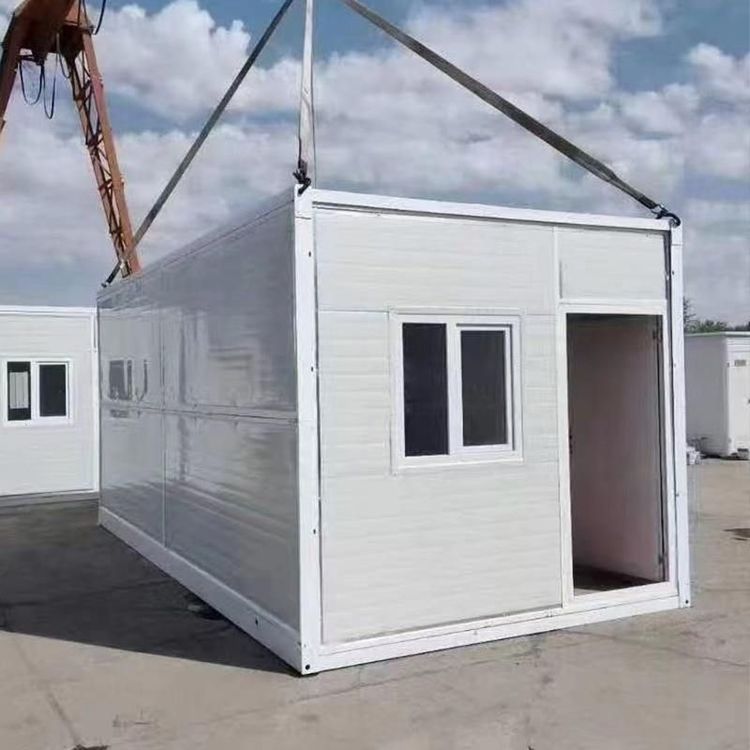
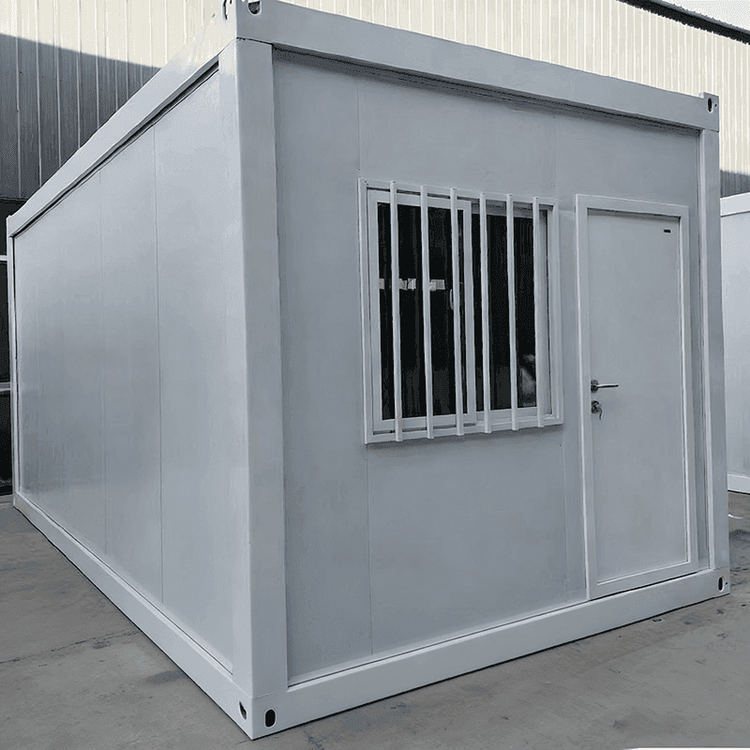
Mobile toilets offer diverse solutions for different outdoor scenarios. Temporary toilets on construction sites emphasize durability and quick installation to meet short-term high-intensity usage needs; scenic area and garden toilets emphasize integration with the natural environment, adopting concealed designs or bionic shapes; vehicle-mounted toilets are integrated into vehicles and are suitable for mobile scenarios such as emergency rescue and outdoor exploration. Some products are also equipped with independent single rooms, public hand-washing areas, and barrier-free facilities, balancing privacy and functionality.
3. Intelligent Management and Remote Control
Some high-end mobile toilets incorporate intelligent systems to enhance environmental protection efficiency and user experience. For example, the underlying PLC data acquisition system can monitor real-time data such as toilet stall usage status and water and electricity consumption; a 40-inch LED toilet stall monitor visually displays available stalls, reducing queuing time; a 4G remote monitoring module allows managers to remotely control lighting and flushing systems, and even adjust indoor temperature through a mobile app, avoiding energy waste.
4. Environmentally Friendly Materials and Energy-Saving Design
In terms of material selection, mobile toilets use environmentally friendly materials such as Class A metal carved panels, which have anti-corrosion and weather resistance on the outer layer and are filled with insulation materials inside to reduce energy consumption. The design combines practicality and aesthetics. For example, the Apple Pod shape not only enhances visual appeal but also allows flexible adjustment of space through modular layouts to adapt to different site conditions.
In summary, through technological innovation and scenario-based design, mobile toilets achieve a balance between efficient resource utilization, environmental friendliness, and user experience in outdoor environments, becoming an environmental protection model for modern outdoor public facilities.