
Comprehensive Guide to Mobile Toilet Operation
Mobile toilet operation involves aspects such as allocation and use, operation of different types, and the use of portable toilets. Here is a detailed introduction:
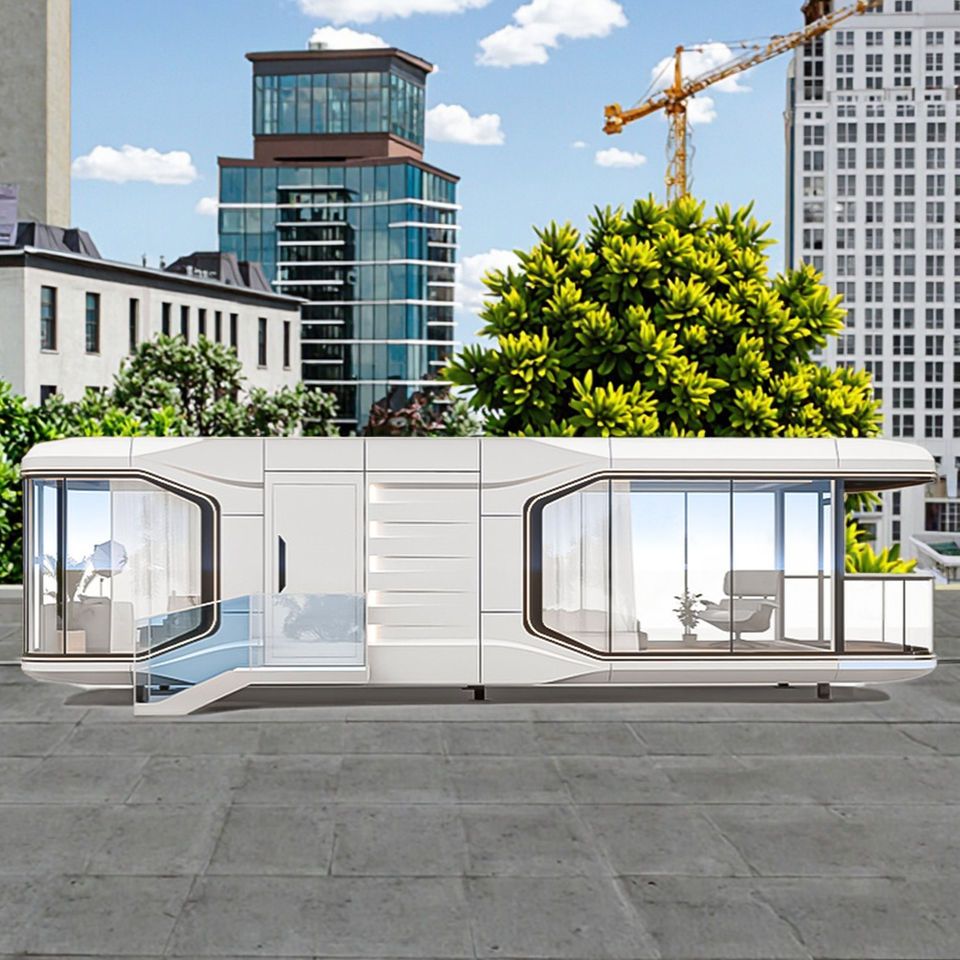
Allocation and Use of Mobile Toilets
The biggest advantage of mobile toilets lies in their mobility, enabling flexible allocation according to different scenarios and needs. In some tourist attractions, for example, during peak tourist seasons in Dalian, mobile public toilets are allocated to areas with high pedestrian traffic based on the distribution of people to alleviate local toilet pressure and provide convenience for tourists. Another example is during the May Day holiday in 2026, the Jinci Scenic Area in Shanxi innovatively allocated buses as mobile men's toilets and temporarily converted fixed men's toilets into women's toilets to cope with the peak tourist flow. This flexible allocation method effectively increased the average daily reception capacity of the scenic area and improved the tourist experience.
Operation Points for Different Types of Mobile Toilets
- By structural form: Single-unit mobile toilets are relatively independent and simple to operate, mainly focusing on the normal use and maintenance of their internal facilities. Composite-structure mobile toilets may be composed of multiple parts and need to be installed and disassembled in a certain order and according to specifications to ensure that all parts are firmly and stably connected.
- By mobility method: Lifting and handling mobile toilets require professional lifting equipment for movement. During operation, it is necessary to ensure the correct selection of lifting points to avoid damaging the toilet structure. Powered and towed mobile toilets require attention to the normal operation of the power system and the connection safety of the towing device. Before moving, check whether components such as tires and brakes are normal.
- By sewage treatment method: For water-flush and non-water-flush suction mobile toilets, water-flush types need to ensure that the water tank has sufficient water for flushing, while non-water-flush suction types require regular cleaning of the fecal sewage storage tank. Recirculating water-flush mobile toilets should pay attention to the operation of the water treatment system to ensure that the water quality meets usage standards. Dry-packing mobile toilets should have the packing bags replaced promptly after use to keep the interior of the toilet clean.
Use of Portable Mobile Toilets
Portable mobile toilets are usually designed with buckles for fixing and removing the toilet part. When using, first fix the toilet in a suitable position to ensure it is stable and does not wobble, and then open the toilet lid for use. Water can be filled inside the toilet for flushing. After use, press the buckle to remove the toilet part, empty the waste from the black water tank, and perform appropriate cleaning and disinfection for next use.



