
Mobile Toilet on Ship
A mobile toilet on a ship is a mobile solution that integrates sanitary facilities based on a container frame, primarily used in ship and maritime scenarios, featuring corrosion resistance, wind and wave resistance, and environmentally friendly sewage disposal.
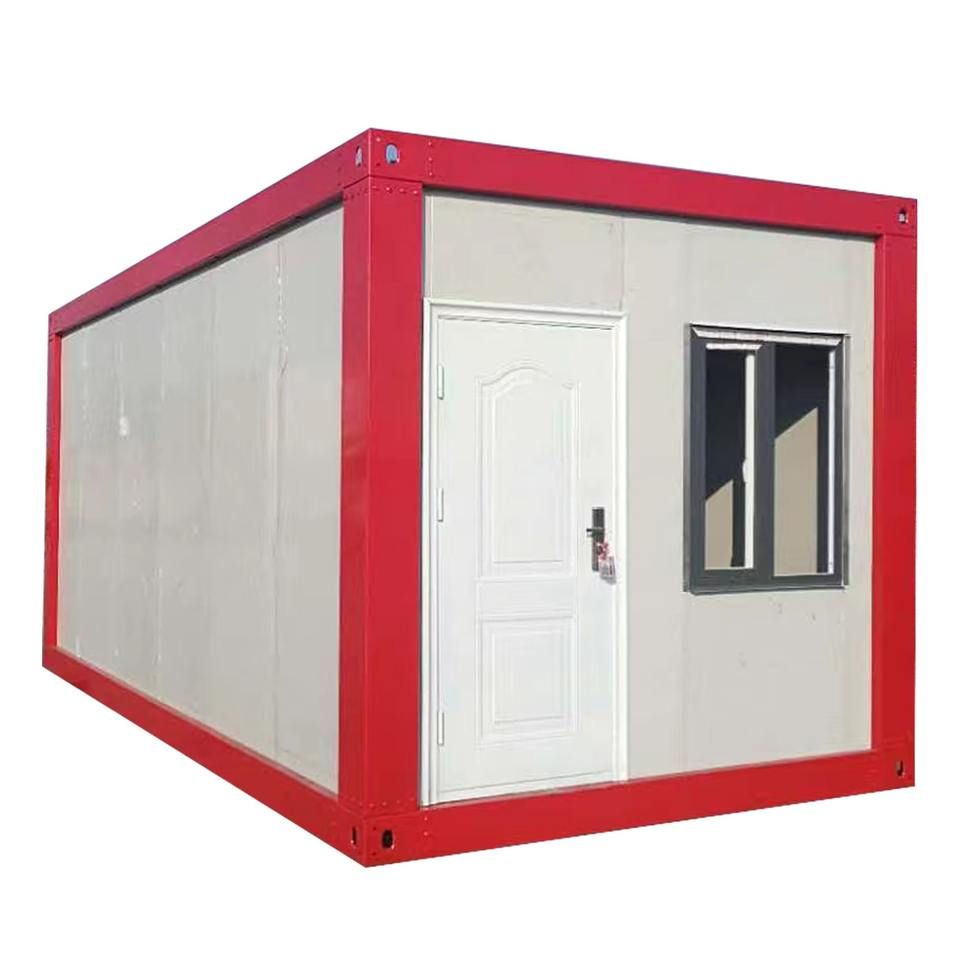
Material and Structural Characteristics
The shipborne container-type toilet cabin uses galvanized steel plate or aluminum alloy as the main material, with an anti-corrosion coating on the surface to effectively resist long-term erosion from seawater and salt spray, extending the service life of the equipment. Its structure is designed based on a standard container frame and must pass ship sway tests to ensure stability in strong wind and wave conditions, preventing damage or displacement of facilities due to ship movement.
Sewage Disposal System and Environmental Standards
Sewage disposal technology is one of the core functions of mobile toilets on ships. The mainstream solutions include vacuum collection systems and biodegradation technology:
- Vacuum collection systems quickly suction excreta into a sewage storage tank through negative pressure, reducing odor diffusion, suitable for high-density usage scenarios (such as cruise ships);
- Biodegradation technology uses microorganisms to decompose excreta into harmless substances, eliminating the need for frequent removal, and complying with the strict regulations on ship pollutant discharge in the MARPOL Convention of the International Maritime Organization (IMO).
Spatial Layout and Functional Integration
The interior design emphasizes compactness and practicality, typically including the following functional areas:
- Toilet area: Equipped with squatting or sitting toilets, with some models featuring barrier-free facilities;
- Washing area: Integrated with a sink, mirror, and small storage cabinet to meet basic cleaning needs;
- Ventilation system: Designed with forced or natural ventilation, combined with odor-proof sealing devices to improve air quality inside the cabin.
Application Scenarios and Deployment Advantages
- Commercial ships: Long-haul vessels such as cargo ships and cruise ships can flexibly supplement the number of fixed sanitary facilities by deploying mobile toilets to meet peak demand from passengers or crew;
- Maritime operation platforms: In temporary operation scenarios such as drilling platforms and wind power installation vessels, container-type toilets can be quickly hoisted and deployed to solve personnel hygiene issues;
- Emergency disaster relief: After disasters, such facilities can be carried on rescue vessels or air-dropped by helicopters to affected ports and islands, providing temporary hygiene support for stranded individuals.
It should be noted that the simple toilets mentioned by some netizens may be open facilities temporarily set up, lacking key functions such as corrosion resistance and sewage disposal, and are only suitable for short-term, low-frequency usage scenarios, fundamentally different from standardized mobile toilets.
You may also like

Portable Toilet Rental for Construction Sites: What to Consider
Read More
Portable Toilet Rental Price Guide: Budget, Mid-Range & Premium
Read More
Portable Toilet Color Steel: A Practical Buyer's Guide
Read More