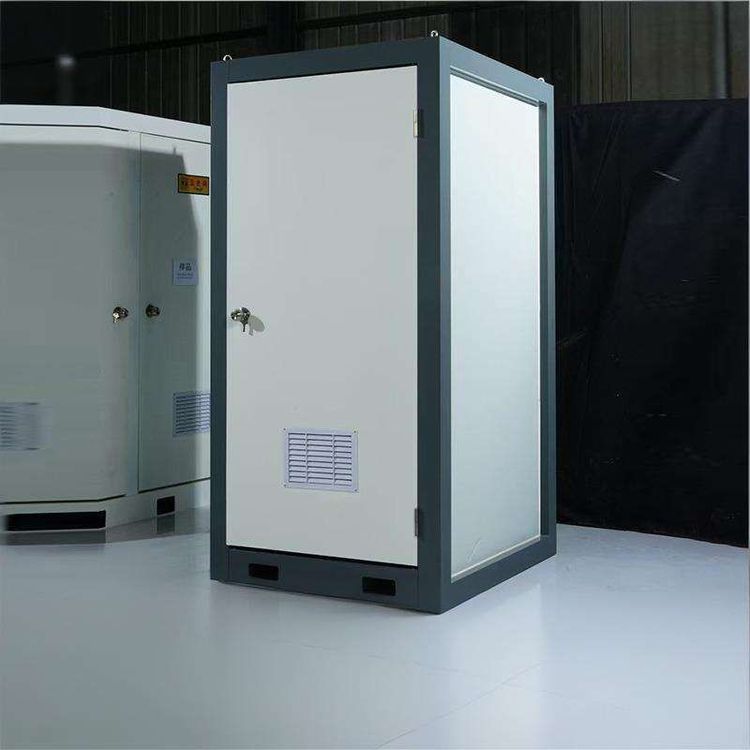
Affordable Recommendations for Odor Removal in Mobile Toilets
Affordable recommended methods for odor removal in mobile toilets mainly include physical, chemical, biological, and comprehensive odor removal methods. Here are the specific introductions:

Physical Odor Removal Method: Ventilation is a relatively basic and effective approach. By installing exhaust fans and other equipment in mobile toilets, air circulation is accelerated, expelling the dirty and smelly air inside the toilet while introducing fresh outdoor air, thereby reducing the odor concentration. This method has low costs, only requiring the purchase and installation of exhaust fans, and the energy consumption during subsequent use is relatively small. Activated carbon adsorption is also a good choice. Activated carbon has strong adsorption capabilities and can adsorb odor molecules. Placing an appropriate amount of activated carbon in suitable locations within the mobile toilet, such as corners and near the toilet fixtures, can remove some of the odors. Activated carbon is relatively inexpensive, and after a period of use, its adsorption capacity can be partially restored through methods like airing, allowing for reuse.
Chemical Odor Removal Method: Spraying specialized deodorants is an effective means to quickly eliminate noticeable odors. There are various types of deodorants available on the market, such as plant-extract deodorants, which are made from natural plants, are relatively environmentally friendly and safe, and have minimal irritation to the human body; and chemically synthesized deodorants, which have a more significant deodorizing effect. Regularly spraying deodorants in mobile toilets can rapidly mask and decompose odor molecules, improving the toilet's air quality. Deodorants come in a variety of prices, with affordable options available for those with limited budgets.
Biological Odor Removal Method: Planting plants with odor-adsorbing functions around mobile toilets is a green and environmentally friendly deodorizing method. Plants such as mint, lavender, and spider plants emit scents that can partially mask odors, and some of these plants can also absorb harmful gases in the air. The main cost of this method lies in purchasing the plants, and subsequent maintenance only requires simple care, such as watering and appropriate fertilization, resulting in low costs and the added benefit of beautifying the environment.
Comprehensive Odor Removal Method: Combining multiple odor removal methods such as physical, chemical, and biological yields better results. For example, first reduce the odor concentration through ventilation, then use deodorant spraying to quickly eliminate odors, and finally utilize plants or microbial deodorization for long-lasting odor removal. This approach can fully leverage the advantages of various odor removal methods, removing odors from different angles, improving the deodorizing effect, and keeping the overall costs within an acceptable range.