Mobile Toilet Odor Control System
Mobile toilet odor control systems are mainly divided into four types: physical, chemical, biological, and integrated odor control, achieving odor control through different mechanisms as follows:

Physical Odor Control Methods
- Ventilation and Air Exchange: Forcedly exhaust stale air and introduce fresh air through exhaust fans or natural ventilation systems to maintain a negative pressure environment. It is recommended to have at least 10 air exchanges per hour to effectively reduce the concentrations of odor gases such as hydrogen sulfide and ammonia.
- Activated Carbon Adsorption: Utilize the microporous structure of high-iodine-value (≥1000mg/g) activated carbon to adsorb molecules of hydrogen sulfide and ammonia. Place 1-2 kg of activated carbon per cubic meter of space and replace it monthly to maintain adsorption efficiency, suitable for short-term odor control in small spaces.
Chemical Odor Control Methods
- Oxidizing Deodorizers: Such as chlorine dioxide (ClO₂) solution, with a concentration controlled at 0.1-0.3 ppm, decompose mercaptans and amines through strong oxidizing properties. Spray every 4 hours to break down odor molecule structures, suitable for high-concentration pollution scenarios.
- Masking Deodorizers: Plant essential oil formulations containing limonene or citronellol mask odors through fragrance molecules, suitable for temporary event venues. Their effects last about 2-3 hours and require frequent reapplication, unable to thoroughly decompose odor sources.
Biological Odor Control Methods
- Composite Microbial Agents: Agents containing Bacillus subtilis (≥1×10⁸ CFU/g) and nitrifying bacteria can decompose urea in urine and proteins in feces into harmless substances. Add 50 g of the agent per 10 liters of excreta, with a decomposition efficiency of over 90%, requiring regular replenishment of bacterial strains to maintain activity.
- Biological Enzyme Deodorization Systems: Immobilized enzyme reactors continuously treat exhaust gases through catalytic reactions, with an ammonia removal rate exceeding 85%. The operating cost is about 0.5 yuan per cubic meter, suitable for long-term stable operation of mobile toilets.
Integrated Odor Control Solutions
- Three-Stage Treatment Systems: Combine physical filtration (PP cotton + activated carbon), chemical oxidation (UV photocatalysis), and biological degradation technologies to form a multi-stage barrier. The entire system has an odor control efficiency of ≥95%, capable of handling complex odor components, but with a relatively high initial investment.
- Intelligent Control Systems: Real-time monitor ammonia concentrations through ammonia sensors (detection range 0-100 ppm) and automatically trigger spray devices when exceeding 20 ppm,联动 (linkage) oxidizing or biological deodorizers. This system can precisely control the dosage of agents and reduce the need for manual intervention.
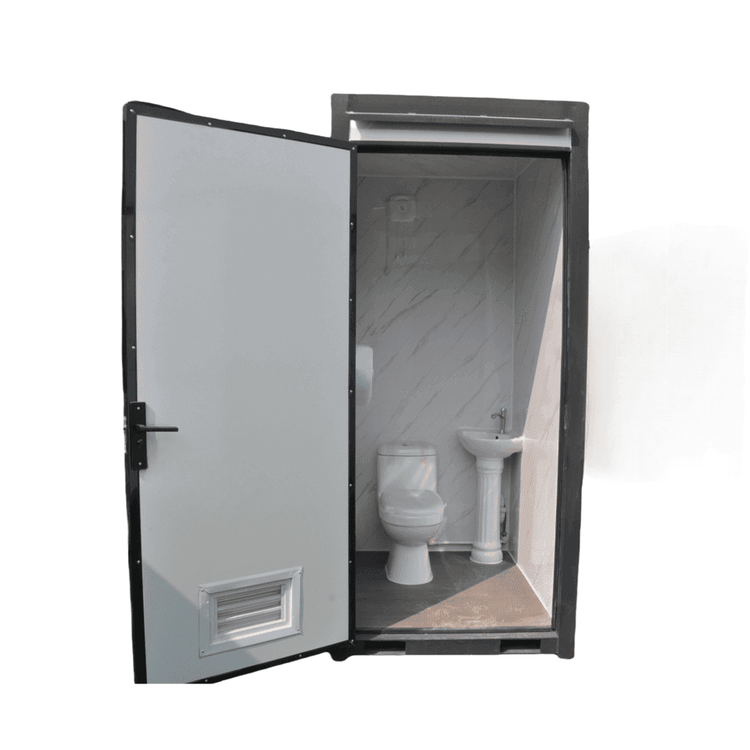
In practical applications, mobile toilets often integrate multiple technologies, such as activated carbon adsorption devices, photocatalytic equipment, ventilation systems, and air freshener spray devices. High-end models also adopt biological filters or microbial fuel cell technologies to achieve the dual goals of odor decomposition and energy recovery. When selecting an odor control system, it is necessary to comprehensively consider the usage scenario, cost budget, and maintenance convenience.