
Mobile Toilet No Water Flow
The lack of water flow in a mobile toilet (smart toilet) may be caused by external water supply issues, internal blockages, or water component/mechanical failures, requiring targeted troubleshooting and resolution.
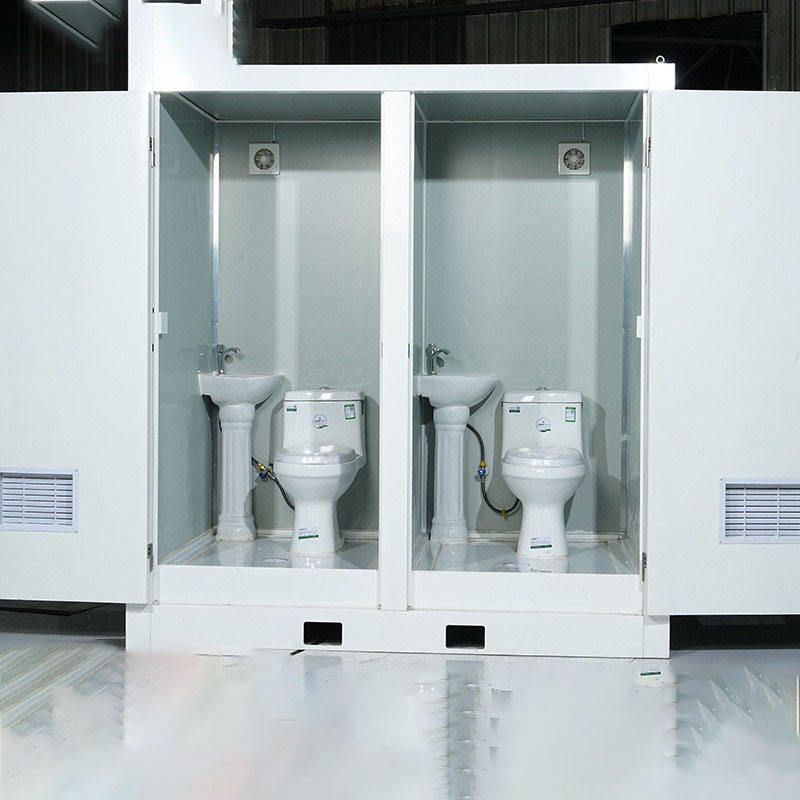
1. External Water Supply Issues
1.1 Insufficient Water Pressure
In high-rise residential buildings or during peak water usage periods, household water pressure may fall below the normal operating requirements of the toilet (typically ≥0.15MPa), resulting in insufficient water intake and inability to flush. You can test the water flow strength by opening other faucets. If the overall water flow is weak, contact the property management or water supply department to adjust the water pressure.
1.2 Blocked Water Supply Path
Check if the angle valve at the front end of the toilet's water inlet pipe is fully open. If the valve core is closed or not screwed to the fully open position, it will cut off the water supply. Also, observe if the water supply hose is bent or aged and deformed, causing water flow obstruction. Adjust the hose angle or replace it with a new one if necessary.
2. Internal Blockage Issues
2.1 Clogged Filter
The plastic filter inside the water replenisher is prone to clogging by scale and impurities, obstructing the entry of tap water into the water tank. After closing the angle valve, remove the end of the water inlet hose connected to the toilet, take out the filter, rinse it with clean water, or soak it in white vinegar to soften the scale before reinstalling it.
2.2 Blocked Pipe
Accumulations of paper scraps, hard objects, or dirt may cause blockages in the toilet's flushing pipe. For soft blockages, soak in hot water and then use a toilet plunger to repeatedly suction; for hard blockages, use a pipe unclogger to slowly stir, avoiding scratching the ceramic inner wall.
3. Water Component/Mechanical Failures
3.1 Float Ball/Bucket Failure
Open the water tank lid. If there is no water inside and the float ball is at the bottom, it indicates that the float ball is stuck or damaged and unable to control the water level. Replace it with a new float ball. When pressing the flush button, observe whether the outlet valve can rise and fall normally. If it is stuck, adjust or replace it.
3.2 Aged Sealing Gasket
If the sealing gasket is detached or aged, it will cause water leakage during flushing and insufficient pressure. Turn off the water source, disassemble the water tank, check the condition of the gasket, and replace it if necessary.
3.3 Smart Component Malfunction
Failures of the solenoid valve or sensor can block the flushing command. First, unplug the power supply for 10 minutes and then plug it back in to attempt to restore the program. If this is ineffective, contact a professional to replace the parts. Do not disassemble the circuit by yourself.
4. Special Troubleshooting for Smart Toilet's Lack of Water Spray
If the water spray function fails, observe whether the motor rotates after powering on:
- Motor Does Not Rotate: If the power supply is normal, it may be a motor or mainboard failure, requiring professional repair.
- Motor Rotates But No Water Spray: The spray nozzle or internal scale may be clogged. Soak the spray nozzle in white vinegar or clean it with a soft-bristled brush.
By following these steps, you can systematically locate the cause of the fault and resolve the water flow issue. If the problem still cannot be resolved after troubleshooting, it is recommended to contact the brand's after-sales service or a professional repair technician.



