New Design of Mobile Toilet
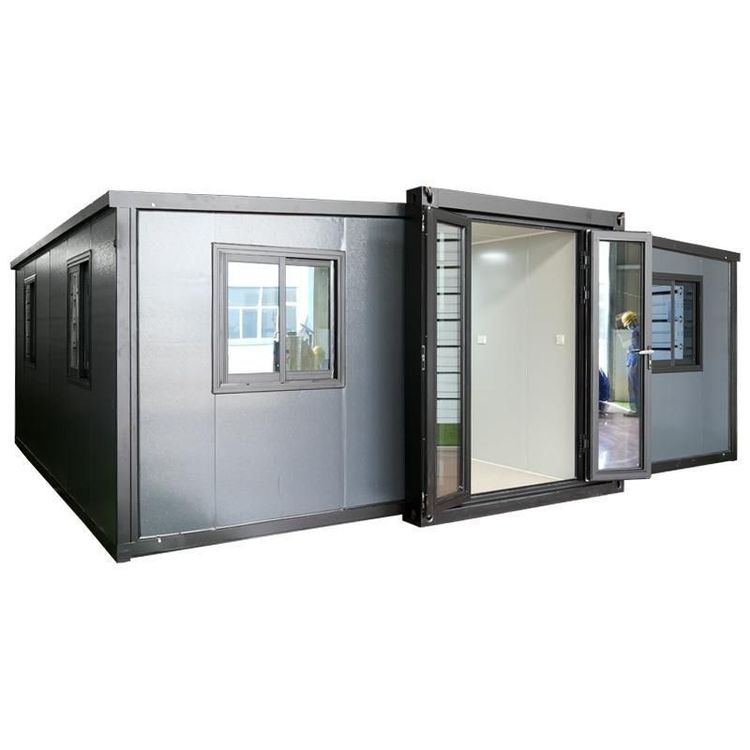
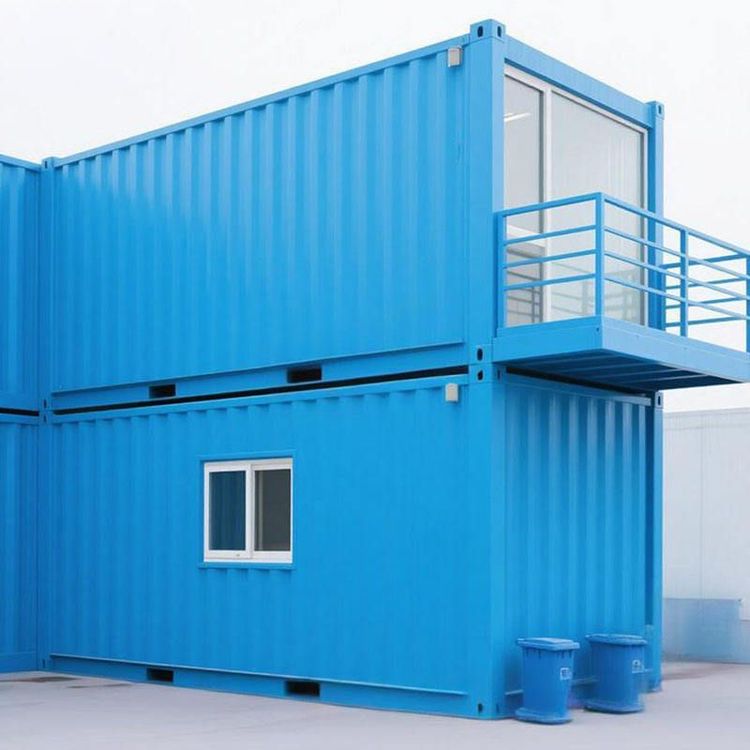
The new designs of mobile toilets are diverse, covering a variety of creative forms and structural types.

From the perspective of creative modifications, some individuals use common materials for innovative designs. For example, a young man modified a plastic bucket by installing universal wheels, enabling the toilet to move freely outdoors and increasing its flexibility in use. He also installed wooden strips and aluminum panels to create a multifunctional toilet that meets different usage needs. Another example involves using water storage tanks and pallets to make a mobile toilet. First, universal wheels are fixed to the bottom of the pallet for mobility. Then, water storage tanks are placed and cut to form open containers. Two tanks are stacked and fixed, with an entrance cut out to plan the internal space reasonably. Holes are made in the internal floor for drainage installations, the toilet is fixed, and facilities such as faucets, sinks, and showers are installed. Finally, a door is installed to create a relatively well-equipped mobile toilet.
From a professional structural classification standpoint, mobile toilets are generally composed of fecal sewage storage tanks (or fecal sewage treatment devices), floor slabs, sanitary ware, walls, washing equipment, water tanks, roofs, and mobile devices. According to structural form, they can be divided into single-structure mobile toilets and composite-structure mobile toilets. Single-structure toilets are relatively independent and simple, while composite-structure toilets may combine multiple functions or materials, making them more complex and diverse. According to mobility, they can be classified as hoisting and handling mobile toilets, which usually require external equipment for movement; power-driven and towed mobile toilets, where power-driven toilets can provide their own moving power, and towed toilets can be connected to vehicles for towing. According to sewage treatment methods, they can be divided into water-flushing and waterless suction-type mobile toilets. Water-flushing toilets have better cleaning effects but require a certain amount of water resources. Waterless suction-type toilets do not require water and treat feces through suction. Recirculating water-flushing mobile toilets can recycle water resources, making them more environmentally friendly and water-saving. Dry-packing mobile toilets pack feces in a dry manner for easy subsequent cleaning and transportation.