
Moving a Mobile Toilet to the Doorway
It is feasible to move a mobile toilet to the doorway, but it requires standardized operation based on its structural characteristics and site conditions.
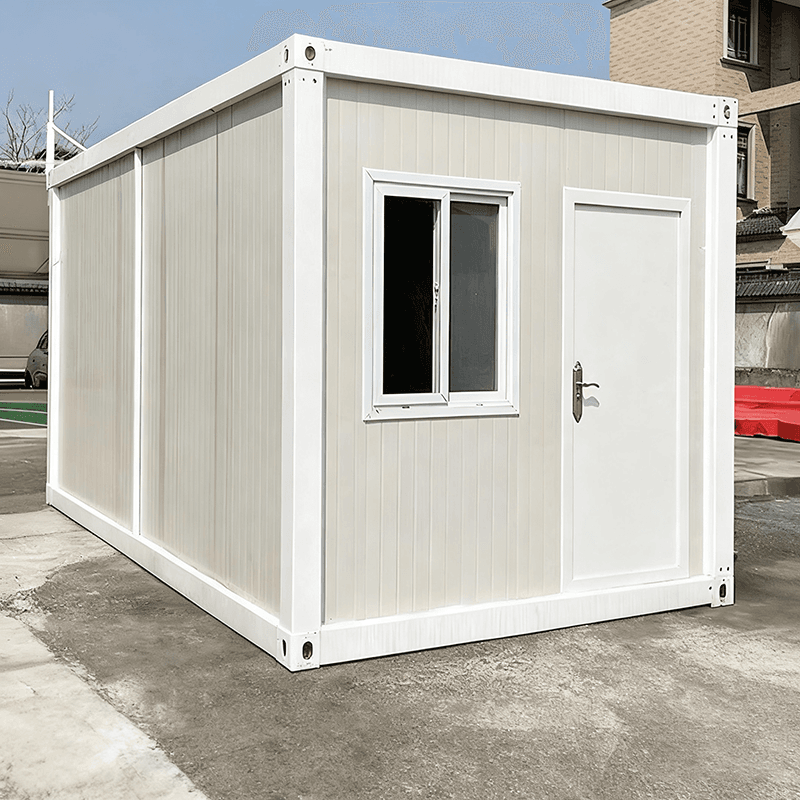
Mobile toilets are designed to meet temporary and flexible sanitation needs. They are typically equipped with a trailer chassis or a system of wheels at the bottom, allowing them to be relocated by being towed by a regular vehicle or manually pushed. If moving one to a doorway, the following key aspects should be considered:
1. Preliminary Assessment and Preparation
- Site Condition Inspection: Ensure that the area around the doorway is flat and free of obstacles (such as steps, slopes, or debris) to prevent the mobile toilet from tilting or being damaged due to uneven ground. If there are steps at the doorway, prepare a ramp or lifting equipment in advance to assist with the move.
- Space Dimension Matching: Measure the length, width, and height of the mobile toilet, as well as the available space at the doorway, to ensure that the toilet can pass through smoothly and will not obstruct traffic after placement. For example, some large mobile toilets may be over 2 meters wide, so plan the path in advance.
- Traction Equipment Preparation: If using a vehicle for towing, check that the trailer hitch, safety chains, and other connecting devices are secure. If manually pushing, ensure that the wheel system is well-lubricated to avoid jamming.
2. Moving Process Operation
- Slow Movement: Whether being towed by a vehicle or manually pushed, maintain a constant and low speed to prevent the toilet from shaking or tipping over due to sudden acceleration or braking.
- Direction Control: When manually pushing, multiple people should work together to ensure that the mobile toilet moves in a straight line. When towing with a vehicle, allow sufficient turning radius to avoid scraping against surrounding objects.
- Temporary Fixing Devices: If the moving distance is long or the road conditions are complex, install temporary support legs (such as adjustable legs) at the bottom of the mobile toilet to prevent wheel damage or displacement during transportation.
3. Post-Placement Adjustment and Fixing
- Level Calibration: After the mobile toilet is in place, use a spirit level to check if it is stable. If necessary, adjust the height by adjusting the legs or placing wooden boards to ensure that the sewage pipe aligns with the ground connection.
- Secure Fixing: If the toilet is to be placed for an extended period, secure its bottom to the ground with ground anchors or expansion bolts to prevent displacement due to wind or human collision.
- Function Testing: After connecting the water and electricity (if required), test the flushing, ventilation, lighting, and other functions to ensure safe use.
Note that if the mobile toilet is heavy (e.g., over 1 ton), it is recommended that professional personnel handle the move to avoid equipment damage or personal injury due to improper operation.



