
Tips for Mosquito and Insect Prevention in Mobile Toilets
Preventing mosquitoes and insects in mobile toilets requires a combination of physical barriers, structural design optimization, source control, chemical disinfection, biological control, and daily maintenance. The specific methods are as follows:
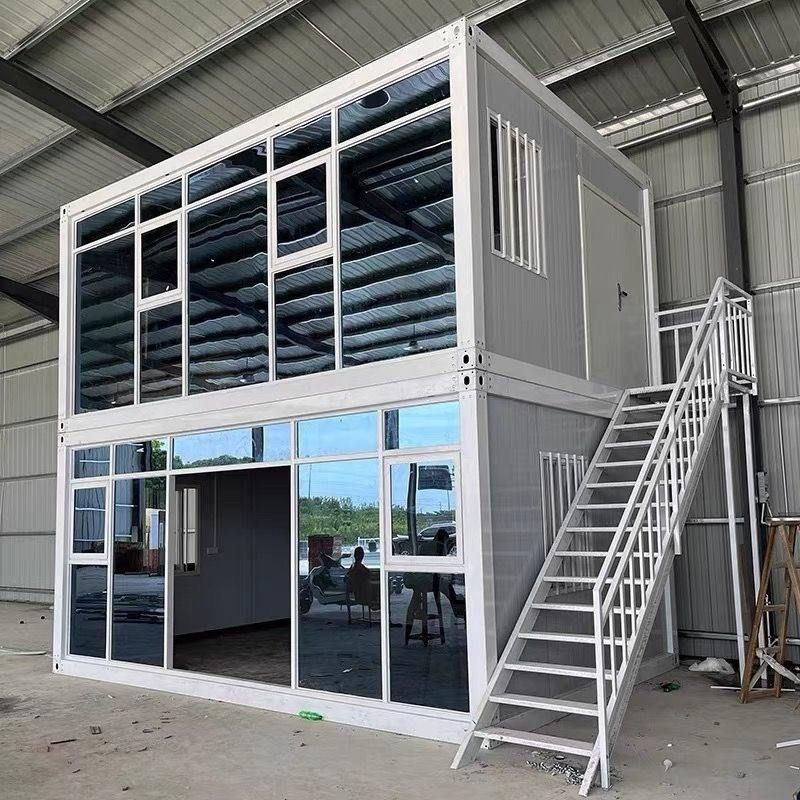
1. Physical Barriers
Ventilation openings are the main entry points for mosquitoes and insects. High-density insect screens (with mesh diameters less than 1 millimeter) should be installed. The material should be corrosion-resistant and easy to clean, facilitating regular disassembly and cleaning. Designing ventilation openings with an outward-high and inward-low inclined structure or equipping them with louvers can reduce the likelihood of mosquitoes and insects lingering. Windows and doors should be fitted with fine mesh screens/doors (with gaps less than 1 millimeter). For windowless dry toilets, insect-repellent curtains soaked in mosquito repellent can be hung at the entrance to provide dual protection.
2. Structural Design Optimization
Some mobile toilets integrate mosquito repellent modules into their ventilation systems, releasing natural ingredients such as peppermint oil and wormwood extract to form an odor barrier and reduce the willingness of mosquitoes and insects to approach. Such designs must ensure uniform release of mosquito repellent ingredients, be harmless to humans, and not affect ventilation efficiency.
3. Source Control
Maintaining cleanliness and dryness inside the toilet is crucial: promptly clean waste from the storage tank, regularly spray deodorizing and disinfecting agents to decompose organic matter and disrupt mosquito breeding environments; check the water trap of the squat toilet to avoid long-term water accumulation; dry toilets should have their fecal pits sealed with lids, and quicklime or special insecticides should be sprinkled weekly to kill insect eggs. Externally, clear surrounding stagnant water, weeds, fallen leaves, and discarded containers to prevent small stagnant water pits from breeding mosquitoes and insects.
4. Chemical Disinfection
Regularly spray low-toxicity insecticides inside and outside the toilet and its surroundings, focusing on mosquito and insect gathering areas such as corners, crevices, and around the waste storage tank. Indoors, mosquito coils can be lit or electric mosquito repellent liquids can be used, adjusting the dosage according to the space size to avoid excessive concentration affecting health.
5. Biological Control
Plant mosquito-repellent plants such as peppermint, lavender, and wormwood around the toilet to repel mosquitoes and insects with their odors; in small stagnant water areas, mosquito fish can be introduced to reduce mosquito breeding by preying on larvae. Biological control should select appropriate methods based on environmental characteristics to avoid introducing invasive species that disrupt the ecosystem.
6. Daily Maintenance
Regularly clean debris and stagnant water from ventilation openings, check for damage to insect screens and replace them promptly; place fly sticky traps and mosquito lamps indoors to assist in killing; use portable mosquito repellent sprays to spray clothing sleeves and pant legs when using the toilet to reduce direct contact. Maintenance work should be institutionalized to ensure the continuous effectiveness of preventive measures.



