
Modular Mobile Toilet
The modular mobile toilet is a customizable type of mobile toilet, suitable for venues requiring a large toilet capacity. Attention should be paid to product quality when purchasing.
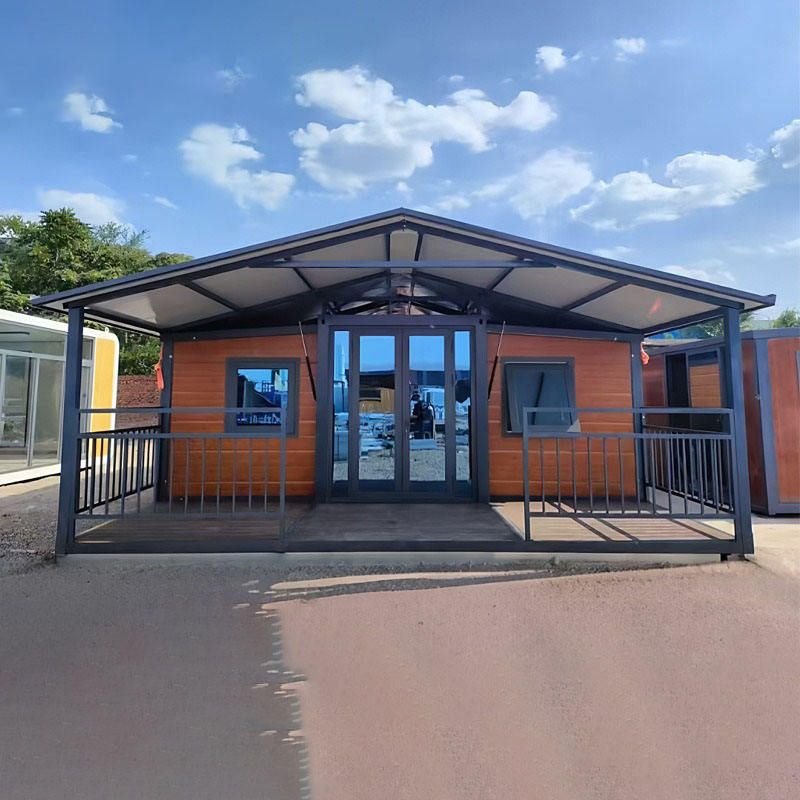
The modular mobile toilet is a subcategory of mobile toilets, with its core features being modular design and flexible combination capabilities. Some products support customization according to demand, allowing users to adjust parameters such as the number of squatting positions and functional configurations based on actual needs. For example, at temporary events like music festivals and large exhibitions, steel structure modules can be quickly assembled to create toilet spaces with 10 or more squatting positions, effectively alleviating usage pressure during peak periods.
In terms of structural materials, the main frame of modular mobile toilets typically uses galvanized square tubes or galvanized steel pipes. These materials are corrosion-resistant and have high strength, enabling them to adapt to complex outdoor environments and extend the service life of the equipment. Steel structure modules are connected through standardized interfaces to form a stable overall structure, ensuring safety while facilitating transportation and disassembly. For instance, at a music festival site, the construction team can complete the entire process from transportation to assembly within a few hours, allowing for quick deployment.
Regarding applicable scenarios, modular mobile toilets primarily serve temporary venues with high foot traffic and concentrated toilet demands. In scenarios such as music festivals, sports events, and disaster relief efforts, their modular design can quickly match venue requirements, avoiding the long construction periods and high costs associated with traditional toilets. Additionally, some products are equipped with sewage systems and ventilation equipment, effectively controlling odors and enhancing the user experience.
When purchasing, it is crucial to focus on product quality. Poor-quality products may have issues such as insufficient material thickness and rough welding, leading to poor structural stability and even odor leakage. For example, if the wall thickness of galvanized steel pipes does not meet standards, they are prone to rust and corrosion when exposed to humid environments for extended periods, shortening the equipment's lifespan. If the ventilation system is poorly designed, even with deodorization devices, odors may still accumulate due to poor air circulation. Therefore, it is recommended to choose products that have passed ISO quality certification and have environmental protection test reports, and to request on-site testing services from suppliers to ensure that the actual usage effect meets expectations.



