
Back to blog
Article
Which Material is Better for Mobile Toilets
Admin September 28, 2026
The choice of materials for mobile toilets should be based on a comprehensive consideration of specific scenarios and needs. Among commonly used materials, aluminum alloy, stainless steel, fiberglass reinforced plastic, and PVC panels stand out for their excellent performance. Here is a detailed analysis:
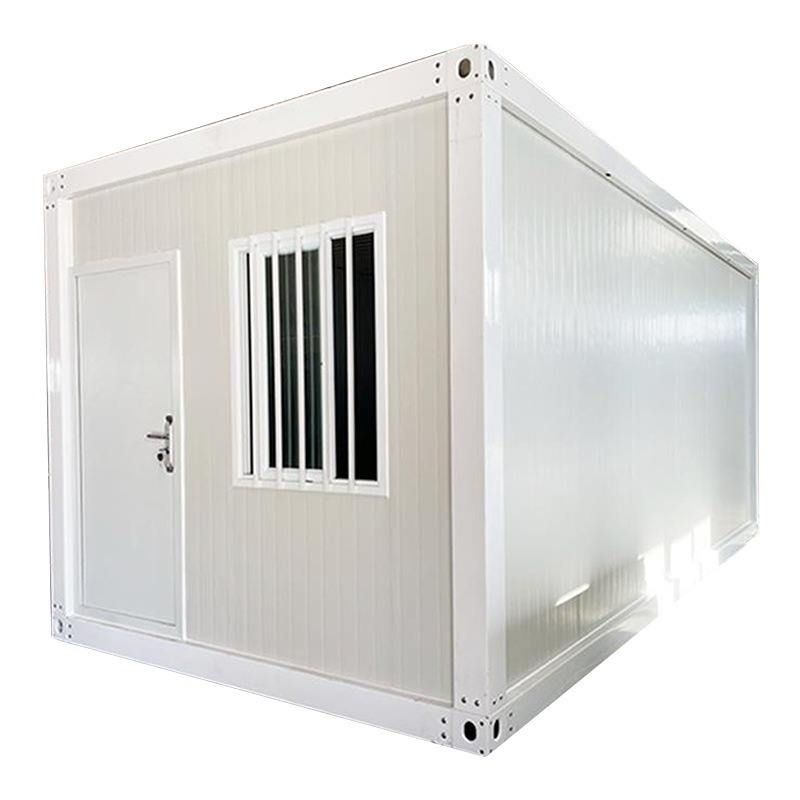
Metal Materials: Durability and Adaptability Combined
- Aluminum alloy is the mainstream choice for the framework of mobile toilets. Its lightweight nature (with a density only one-third that of steel) facilitates easy transportation and installation. Surface oxidation treatment or fluorocarbon spraying can form a dense oxide film, providing significant rust resistance and making it suitable for most conventional scenarios.
- Stainless steel boasts extremely strong corrosion resistance, making it particularly suitable for coastal areas, high-humidity environments, or chemically corrosive settings (such as around chemical plants). However, it comes with higher costs and greater processing difficulties, typically used for internal hardware (water tanks, water pipes) or partial decorative elements on the exterior.
- Galvanized steel sheet isolates air and moisture through its galvanized layer, effectively inhibiting the growth of mold and bacteria. It has high hardness and relatively low cost, often serving as an auxiliary material for metal frameworks.
Plastic/Composite Materials: Balancing Lightweight and Functionality
- PVC panels are the preferred choice for internal partitions and wall panels due to their waterproof and moisture-resistant properties. Their surfaces can be printed with patterns to enhance aesthetics, but it is essential to choose products that meet environmental standards to avoid the release of harmful substances.
- Fiberglass reinforced plastic (FRP) is composed of resin and glass fibers, with strength close to that of steel and a weight only one-fourth to one-third of steel. It offers excellent corrosion resistance and anti-aging properties, but its surface is prone to scratches and has high repair costs, making it suitable for overall structures or shells.
- High-density polyethylene (HDPE) panels feature high strength, impact resistance, and UV resistance, commonly used for bottom and exterior decorations to withstand outdoor environmental erosion.
- HPL high-pressure laminate panels and phenolic resin high-pressure panels both possess waterproof, stain-resistant, and wear-resistant properties. The former offers diverse design styles, while the latter is molded in one piece without the need for edge finishing, both suitable for partitions in high-traffic public toilets.
Wood Materials: Natural Texture and Limitations Coexist
- Preservative-treated wood, after pressure treatment, can be used for internal decorations or external frameworks, offering a strong natural texture and ease of processing. However, it requires regular application of preservative coatings and may deform in high-humidity environments, leading to higher maintenance costs.
- Eco-wood, composed of wood powder and plastic, has better waterproof and insect-resistant properties than natural wood but poor heat resistance. It should avoid prolonged exposure to direct sunlight and is suitable for dry or semi-outdoor environments.
Other Materials: Targeted Solutions for Special Scenarios
- Rock wool sandwich panels are filled with high-density rock wool (≥80kg/m³) inside, providing significant sound insulation and heat insulation effects, with a fire rating of Class A. They are suitable for crowded areas (such as scenic spots and stations).
- Aluminum ceiling panels are moisture-resistant, impact-resistant, and stain-resistant, allowing seamless splicing and strong oxidation resistance, with a long service life. They are an ideal choice for the walls or ceilings of outdoor toilets.
Application Scenario Recommendations:
- For temporary events (exhibitions, music festivals), prioritize aluminum alloy framework + PVC panel internal decorations to balance portability and cost.
- For long-term use scenarios, choose durable materials such as stainless steel and fiberglass reinforced plastic based on needs. Stainless steel is recommended for coastal or highly corrosive environments, while fiberglass reinforced plastic is suitable for outdoor overall structures.



