
Materials for Mobile Toilet Construction
The materials used in the construction of mobile toilets have undergone a diverse evolution from traditional to modern, primarily including wood, fiberglass reinforced plastic (FRP), polyethylene, and water storage tanks, among others.
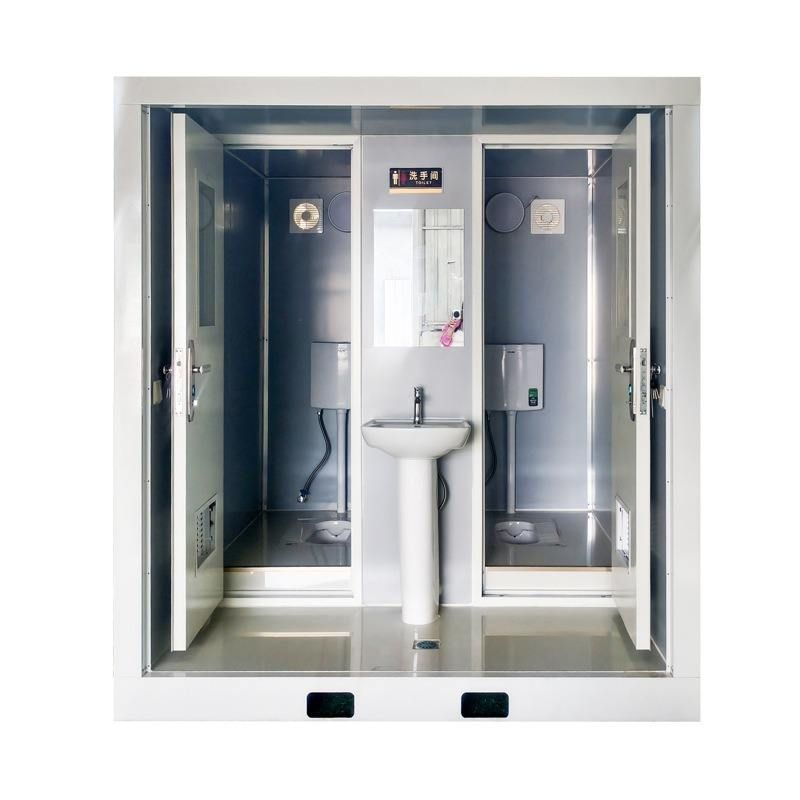
Initially, mobile toilets were mostly constructed using traditional materials like wood. As a natural material, wood offers the advantages of easy sourcing and relatively straightforward processing. However, it has drawbacks such as being susceptible to moisture, prone to decay, and having poor durability. Over prolonged use, especially in humid environments, wood tends to breed bacteria, generate odors, and has a limited lifespan, requiring frequent maintenance and replacement, which to some extent restricts its large-scale application.
With the advancement of materials science, fiberglass reinforced plastic (FRP) has gradually become an important material for mobile toilet construction. FRP mobile toilets are made from epoxy resin and glass fibers. This material boasts numerous excellent properties: smooth and flat surface, which not only facilitates cleaning but also effectively reduces the adhesion of dirt; never rusts, avoiding the issue of metal materials rusting easily in humid environments, ensuring the appearance quality and service life of the toilet; corrosion-resistant and durable, capable of withstanding the erosion of various chemicals and adapting to different usage environments, whether in highly corrosive areas like seashores or chemical plants or in ordinary urban settings, it can maintain good performance.
Polyethylene is also one of the commonly used materials for mobile toilets. Polyethylene exhibits good chemical stability, low-temperature resistance, and electrical insulation properties, while being lightweight, making it easy to move and install. Mobile toilets made of polyethylene, while ensuring a certain level of strength, reduce the overall weight, making transportation and arrangement more convenient.
In addition, some people use materials like water storage tanks to construct portable restrooms. This construction method is usually relatively simple and cost-effective, mainly suitable for temporary and emergency settings such as outdoor events or disaster relief sites. Water storage tanks can store sewage for subsequent treatment, but these simple portable restrooms are relatively weak in terms of comfort and functionality.



