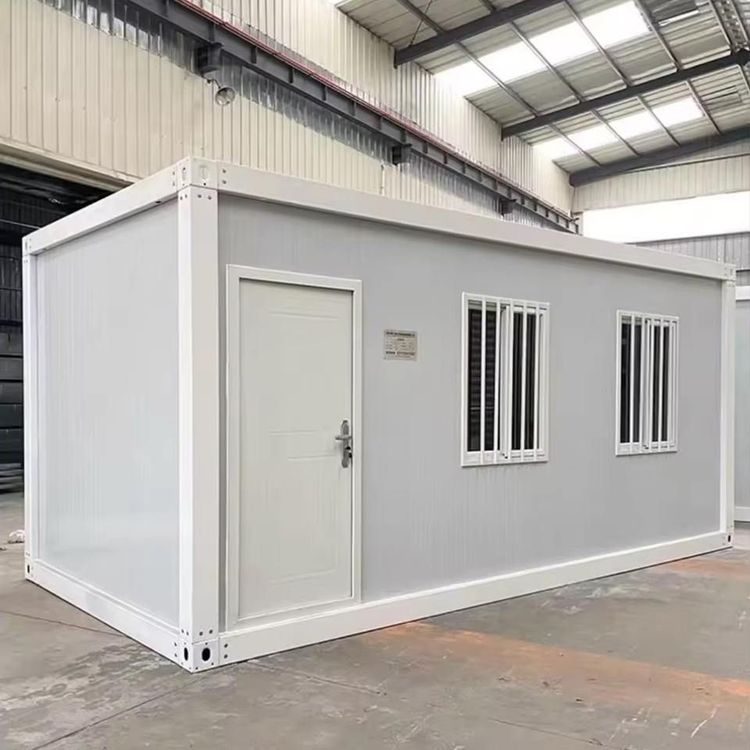
Mobile Toilet Market
The Chinese mobile toilet market is characterized by rapid growth, diversified demand, technological upgrades, and regional differentiation, with a future shift towards intelligent and environmentally friendly solutions, presenting medium- to long-term investment potential.

Market Size and Growth Drivers
In 2024, the Chinese mobile toilet market reached RMB 58.7 billion, a year-on-year increase of 6.3%, and is expected to expand to RMB 67.8 billion in 2025, with growth accelerating to 15.5%. This expansion is primarily driven by investments in urban and rural sanitation infrastructure, as well as demand from tourist attractions and construction sites. Regionally, East and South China are the main consumption areas due to economic activity and population mobility, while the central and western regions are experiencing significant growth driven by urbanization and rural revitalization policies. For example, the market in Xining reached approximately RMB 8 million in 2024 and is expected to exceed RMB 12 million by 2026.
Application Scenarios and Demand Differentiation
Key scenarios include large-scale event support, scenic area development, urban construction, commercial real estate, and emergency disaster relief. Demand is polarized:
- Entry-level products: Primarily simple and portable toilets, molded from PE eco-friendly plastic, weighing 1.5-3 kg, and relying on disposable waste bags. These products emphasize cost-effectiveness and are suitable for household and outdoor use.
- High-end niche categories: Products such as vehicle-mounted pull-out toilets, elderly care barrier-free toilets, and biodegradable eco-friendly toilets meet requirements for sealing, comfort, and operational efficiency. For example, demand for eco-friendly materials in the Xining market is growing significantly.
Technological Trends and Product Upgrades
The industry is experiencing accelerated technological iteration, driving products towards intelligence, environmental friendliness, and modularity:
- Intelligence: Integration of sensor-based flushing, deodorization systems, and IoT monitoring functions, with some high-end products enabling automatic cleaning and energy management.
- Environmental friendliness: Accelerated development of biodegradable toilet fixtures and water-saving equipment aligns with eco-city construction requirements, such as biodegradation technology reducing waste treatment costs.
- Modular design: Leading companies enhance operational efficiency through standardized components, reducing maintenance costs while supporting customization for diverse scenarios.
Investment Prospects and Risks
The industry has moderate entry barriers, diverse application scenarios, and clear policy support (e.g., in emergency disaster relief and rural toilet renovation), presenting structural growth opportunities. However, risks include raw material price fluctuations, slower government procurement, and intensified homogeneous competition leading to margin compression. In the long term, companies with technological innovation premiums and sustainable business models are more competitive, making them suitable for medium- to long-term capital allocation.