Mobile Toilet Marathon
The configuration of mobile toilets in marathon events requires comprehensive consideration of three core elements: distribution planning, type selection, and logistics scheduling.
1. Distribution Planning: Non-Uniform Layout Based on Physiological Needs and Course Characteristics
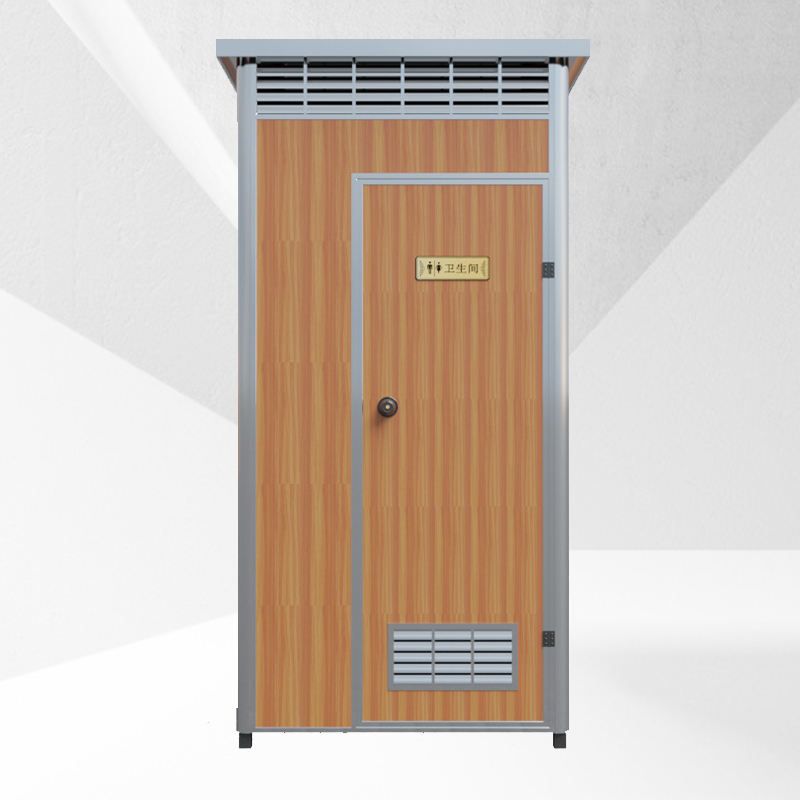
Marathon runners exhibit distinct stage-based physiological needs: after concentrated defecation before the race, the primary need during the race is urination, with frequency increasing as distance grows. Therefore, mobile toilet distribution should follow the principle of “sparse at the front, dense at the back,” increasing density in intervals with concentrated urination needs (e.g., 15 to 30 kilometers). In these intervals, runners' average speed decreases, and停留时间 (dwell time) lengthens, reducing the turnover rate of individual toilets and necessitating additional toilet units (e.g., 2-3 per group) to prevent queues. The start/finish area, experiencing dual peaks from pre-race preparation and post-race recovery, requires an extra 20% of total toilet units (e.g., the 2025 Beijing Marathon provided 1,280 toilet units at the start/finish, accounting for 88% of the total). Along the course, toilets should be placed every 500 meters to ensure full coverage.
2. Type Selection: Differentiated Solutions for Scenario Adaptation
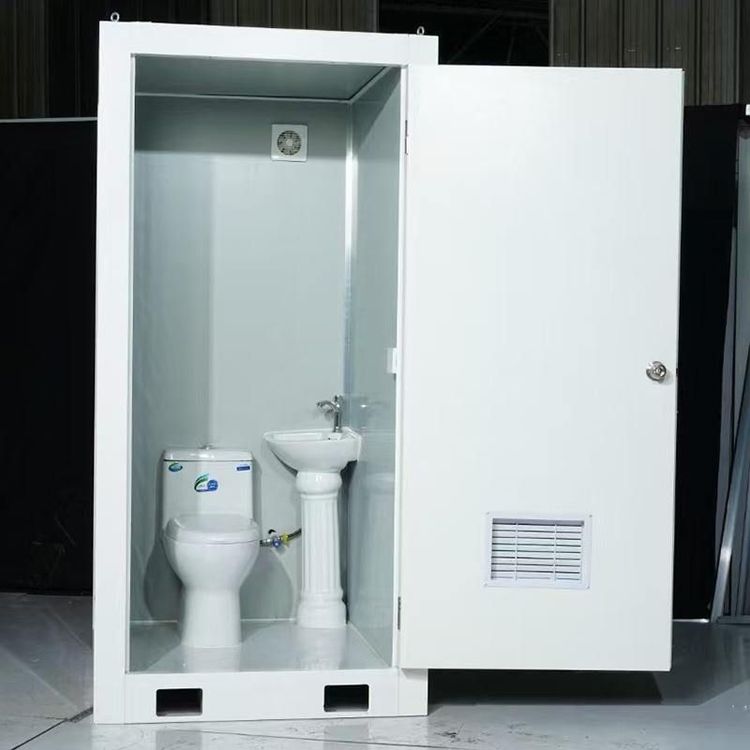
The type of mobile toilet directly impacts usage efficiency and environmental impact. Flush toilets rely on water supply trucks and sewage collection equipment, offering high cleanliness but high deployment costs, making them suitable for start/finish areas. Waterless packing toilets use biodegradable bags to seal waste, requiring no external water source, and are ideal for rapid deployment in mid-course sections (e.g., the 20-30 kilometer interval). Chemical flush toilets use storage tanks for circulating flushing, but chemical agents may contaminate soil, requiring strict waste disposal; they are only recommended for emergency use in short-term, high-traffic areas (e.g., near aid stations).
3. Logistics Scheduling: Precise Timing and Spatial Management
Logistics scheduling on race day is critical for efficiency. Mobile toilets must be hoisted and secured before dawn, with transport vehicles entering in batches according to course closure times: prioritize deploying toilets for the latter half of the course (as runners arrive later), then complete the front half and start/finish setup. Removal must be completed within 4 hours after the race to minimize traffic disruption. For example, the 2025 Beijing Marathon increased course-side toilet units from 121 to 169 through optimized scheduling, ensuring all toilets were in place 1 hour before the start.
In summary, optimizing marathon mobile toilet configuration requires scientific distribution planning, scenario-matched type selection, and efficient logistics management to enhance both runner experience and event operations.