
Mobile Toilet Management System Images
Currently, we cannot directly provide images of the mobile toilet management system, but we can offer a popular science explanation of its system composition and functions.
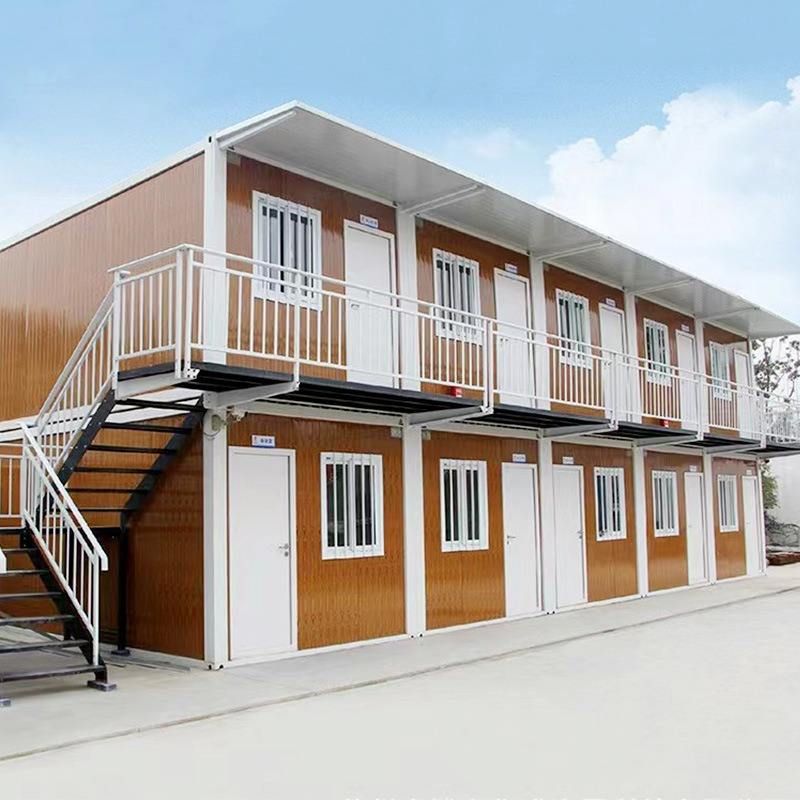
The mobile toilet management system is a crucial support for ensuring the normal operation of mobile toilets and maintaining public hygiene. It typically consists of two main parts: hardware facilities and a software management platform.
Hardware Facilities: The main body of the mobile toilet is the core component, featuring diverse designs such as single-unit and connected structures. The materials used are mostly lightweight, durable, and easy to clean, such as stainless steel and fiberglass, ensuring the stability and longevity of the toilet. Inside, it is equipped with toilets, commonly including squat toilets and sit toilets, to meet the usage habits of different people. There are also flushing devices, some of which adopt water-saving designs, achieving efficient flushing through pressure or gravity to reduce water waste. Additionally, there is a ventilation system that maintains air circulation inside the toilet through exhaust fans or natural vents, reducing odors. The lighting system provides necessary light for users, ensuring safety. Meanwhile, mobile toilets are also equipped with septic tanks or sewage collection devices to store excrement and sewage, preventing overflow and environmental pollution.
Software Management Platform: This is the 'brain' of the mobile toilet management system. Through IoT technology, it connects the hardware devices of each mobile toilet to the platform, enabling real-time monitoring of toilet status. For example, it can monitor the liquid level in the septic tank in real-time. When the level reaches a certain height, the system automatically sends an alarm to remind staff to clean it promptly. It can also monitor water and electricity usage, facilitating reasonable resource allocation. At the same time, the management platform has data analysis capabilities. By analyzing a large amount of data, it can understand the usage frequency and demand for mobile toilets in different areas and at different times, providing a scientific basis for subsequent toilet layout optimization and resource allocation. Additionally, the platform enables remote control and scheduling. Staff can remotely operate certain functions of mobile toilets, such as turning on or off the ventilation and lighting systems, through mobile phones or computers, improving management efficiency.
You may also like

Portable Toilet Eco-Friendly: MOQ, Samples & Quotation Guide
Read More
Top Portable Toilet Color Steel Manufacturers: How to Choose a Factory Partner
Read MorePortable Toilet Picture: Types, Features & Buying Tips
Read More