
Mobile Toilet Management Plan
The mobile toilet management plan needs to be comprehensively formulated from multiple aspects such as planning, construction, and daily management to ensure standardization, scientificity, environmental protection, and safety.
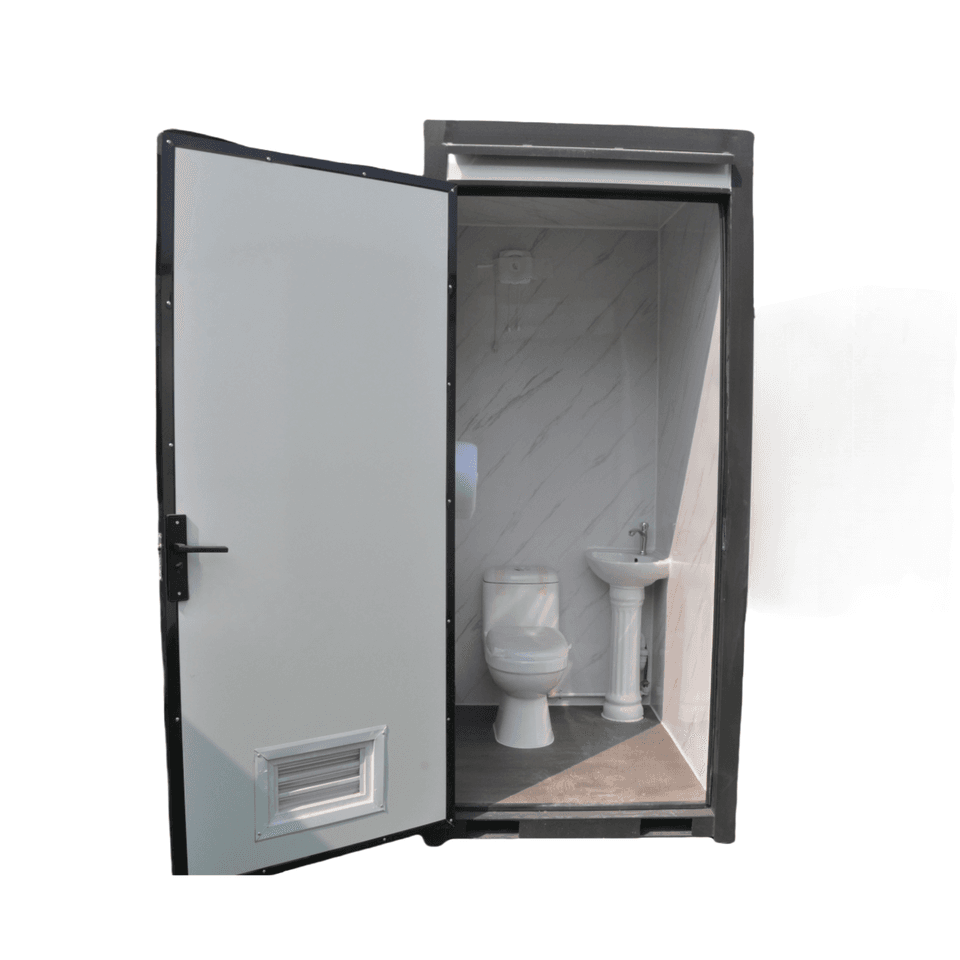
I. Planning and Setup
Plan the layout and quantity of mobile toilets reasonably based on population density, distribution of activity venues, and public demand. The site selection should comply with urban planning and environmental sanitation requirements, avoiding major traffic routes and ensuring ease of use. The type selection should match the characteristics of the venue, such as luxury or barrier-free types for tourist attractions and standard types for construction sites. The building area should be determined according to the number of users, generally not less than the basic standard area. Clear signage should be installed, indicating usage instructions, opening hours, and management unit information. Before setup, submit planning documents, design drawings, and other materials to relevant departments for review and approval, and obtain a permit. Unauthorized setup is strictly prohibited.
II. Construction and Procurement
Construction should comply with national and local standards, using environmentally friendly, energy-efficient, and durable materials that meet waterproof, fireproof, and corrosion-resistant requirements. Internal facilities should be complete, including toilets, sinks, mirrors, toilet paper holders, and deodorization equipment. The exterior design should be aesthetically pleasing and harmonious with the surrounding environment. Procurement should involve a detailed plan specifying quantity, specifications, and quality standards. Select qualified suppliers through bidding or inquiry, and conduct strict inspections after contract signing to ensure compliance with contract requirements.
III. Daily Management
- Personnel Management: Equip with professional maintenance personnel who receive training before starting work, are familiar with operating procedures, and possess service awareness. Establish an assessment system with clear rewards and penalties.
- Cleaning and Hygiene: Clean once before and after peak periods and at night, using dedicated tools and disinfectants. Cleaning steps include waste disposal, rinsing, wiping and disinfecting key areas, replenishing supplies, and inspecting facilities. Record cleaning situations for tracking purposes.
- Waste and Water Resource Management: Waste collection should be enclosed and leak-proof, with sewage and garbage treated separately. Water replenishment should be clean, with regular disinfection of water storage tanks. Faucets should use sensor or pedal-operated switches to reduce contact.
- Facility and Supply Standards: Materials should be corrosion-resistant and easy to clean, with adequate ventilation and lighting. Clear signage should guide usage, and supplies such as toilet paper and hand soap should be adequately provided.



