Mobile Toilet Male and Female Sections
There are various design forms for mobile toilet male and female sections, with common ones including fixed partition type and "tide" type.

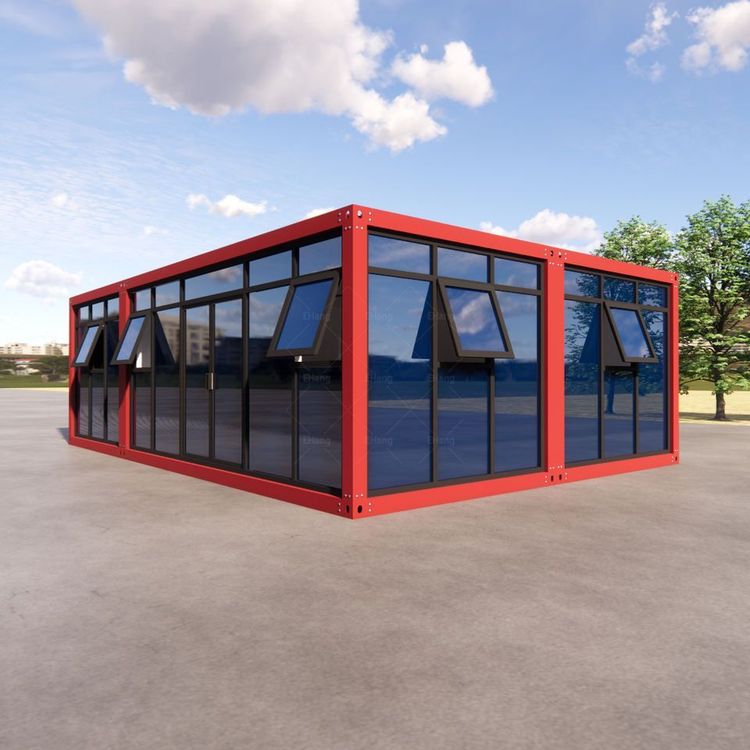
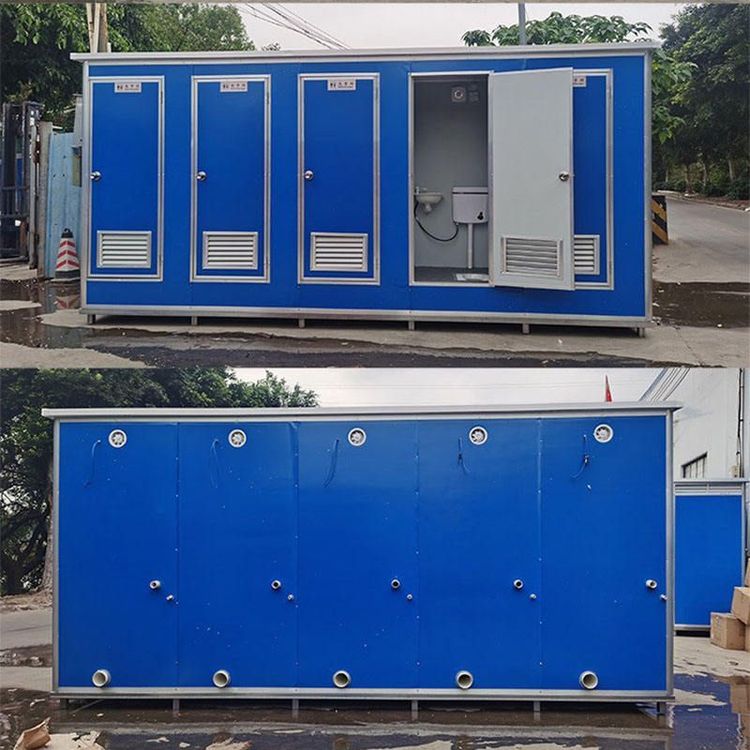
Among fixed partition type mobile toilets, a typical design is the internet-famous container mobile toilet, which adopts a design with six squatting positions for both men and women, covering a total area of 18 square meters. This design also includes a public hand-washing area, facilitating hand cleaning after use. Its exterior material is thickened galvanized corrugated sheet, which is sturdy and durable, capable of adapting to different usage environments. The toilet compartments are equipped with independent squatting positions with urinals, and the internal sanitary ware, water, and electricity are all complete, providing relatively comprehensive toilet conditions for users.
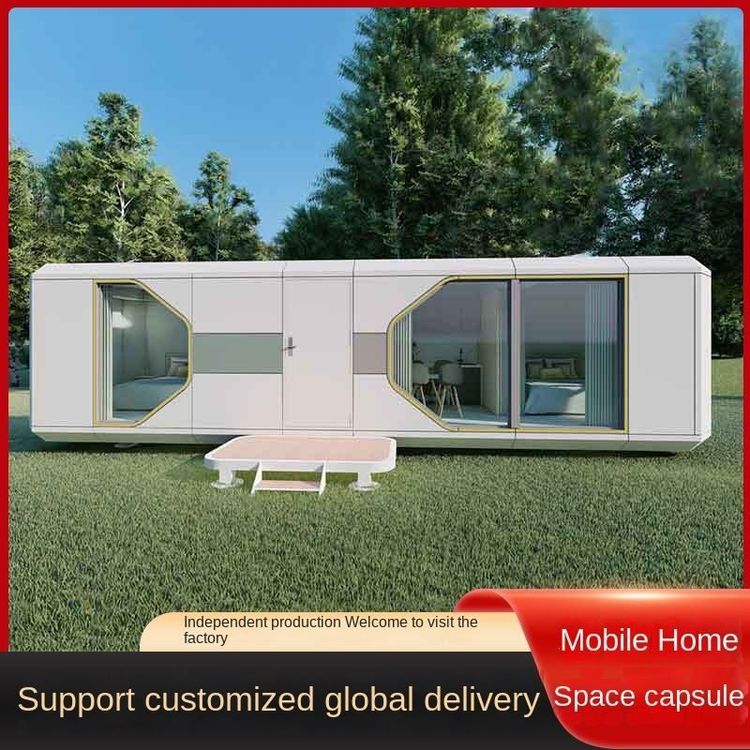
Another fixed partition type design is the Apple Cabin-shaped mobile toilet with separate male and female sections. It has one squatting pit for each gender, with an open hand-washing area in the middle. Its walls are made of galvanized sheet metal and painted white, not only presenting a simple and aesthetically pleasing appearance but also having certain anti-rust properties due to the galvanized sheet metal material. The white paint makes the entire toilet look clean and tidy.
The "tide" type mobile toilet is a relatively flexible design form. Some scenic spots are trialing this type of toilet. By setting up several "gender-neutral general toilet positions" and using movable signs or lockable sliding doors, it dynamically adjusts the usage rights of male and female toilet areas according to real-time pedestrian traffic. During peak tourist seasons or periods of high pedestrian traffic, some toilet positions originally designated for a specific gender can be adjusted to general positions to alleviate toilet pressure and improve toilet usage efficiency. When pedestrian traffic is low, the original male and female partition settings can be restored to meet the needs of different users. This design fully takes into account actual usage situations, enabling it to better cope with toilet needs in different scenarios and improve resource utilization efficiency.