
Back to blog
Article
Maintenance of Mobile Toilets
Admin September 21, 2026
The maintenance of mobile toilets should be systematically carried out from multiple aspects such as cleaning, system inspection, parts replacement, and safety assurance. The specific content is as follows:
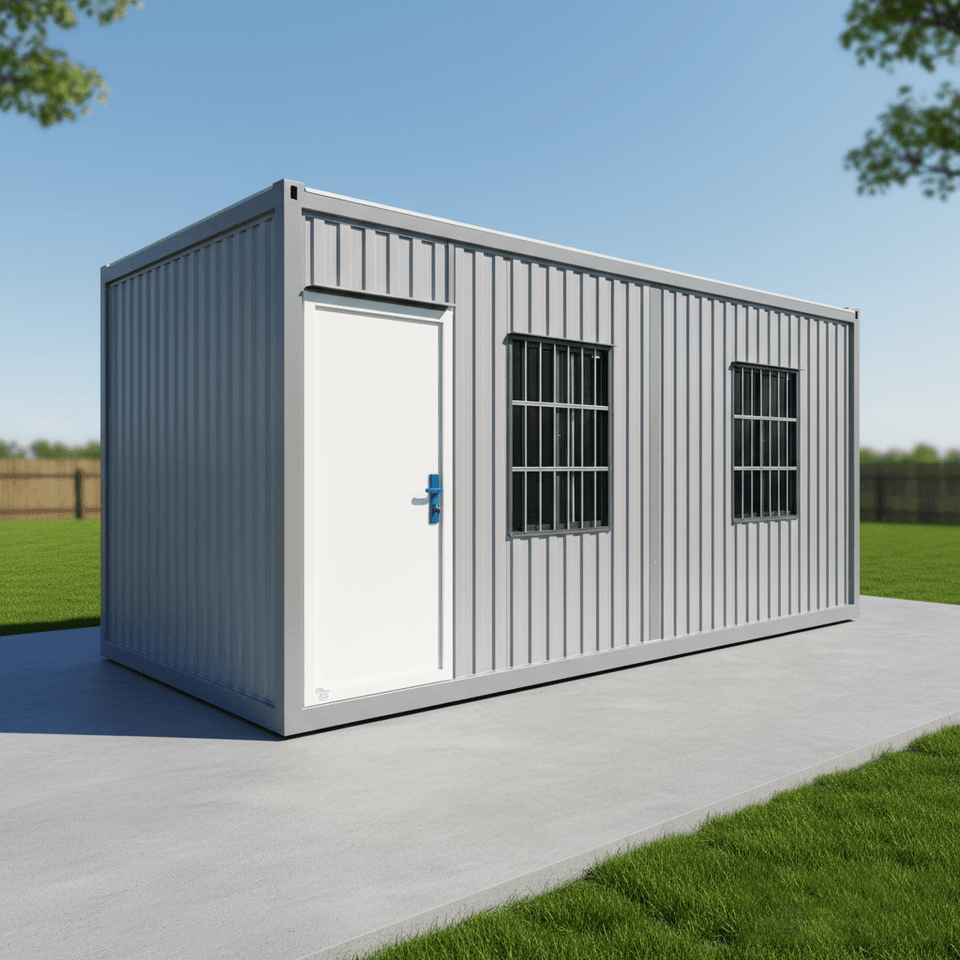
1. Cleaning and Disinfection
- Exterior Cleaning: Regularly wipe the exterior with a neutral detergent to remove dust and stains, maintaining overall aesthetics.
- Interior Deep Cleaning: Clean the toilet bowl, urinal, sink, and floor daily, using chlorine-based disinfectants to prevent bacterial growth and odors. Adjust cleaning frequency based on usage: For high-traffic scenarios (such as large events), it is recommended to clean twice a day, and once a day for regular events.
- Septic Tank Cleaning: Regularly clean the septic tank to avoid blockages and odor diffusion, ensuring the normal operation of the waste disposal system.
2. System Inspection and Maintenance
- Piping System: Inspect the drainage pipes weekly to remove blockages and ensure smooth drainage; check the water supply pipes and repair any leaks. The lessee should check the water tank level, flushing function, and pipe unclogging before each use or at intervals.
- Ventilation System: Ensure the exhaust fan is functioning properly and regularly clean the fan blades to maintain air circulation and reduce odor accumulation.
- Electrical System: For mobile toilets with electricity, regularly inspect the wires, sockets, and lighting equipment to prevent safety hazards caused by aging; the lessee should confirm that the electrical equipment (such as lighting and ventilation fans) is functioning properly before each use.
3. Parts and Structural Safety
- Parts Inspection: Inspect easily damaged parts such as door locks and handles monthly, and promptly replace damaged parts to ensure ease of use.
- Structural Safety: Conduct a comprehensive inspection of the overall structure of the toilet quarterly, repairing or reinforcing damaged parts (such as doors, windows, and supports) to ensure stability; the lessee should confirm the stability of the equipment before each use to avoid tipping risks.
4. Emergency Handling and Special Scenarios
- Fault Handling: Simple faults (such as abnormal flushing) should be repaired on-site and restored to use; complex faults (such as pipe ruptures) should be evaluated before deciding whether to repair or replace the equipment, and record the repair content and duration to provide feedback to the customer.
- Response to Severe Weather: Before extreme weather conditions such as heavy rain and strong winds, reinforce the equipment or relocate it in advance to prevent structural damage.
5. Other Considerations
- Signage and Waste Management: Keep equipment signage clear for easy user identification; promptly remove waste to avoid odor diffusion.
- Flexible Adjustment of Maintenance Frequency: Adjust the maintenance cycle dynamically based on usage frequency, shortening cleaning and inspection intervals for high-frequency usage scenarios.
Through systematic maintenance, the service life of mobile toilets can be extended, hygiene and safety can be ensured, and user experience can be improved.



