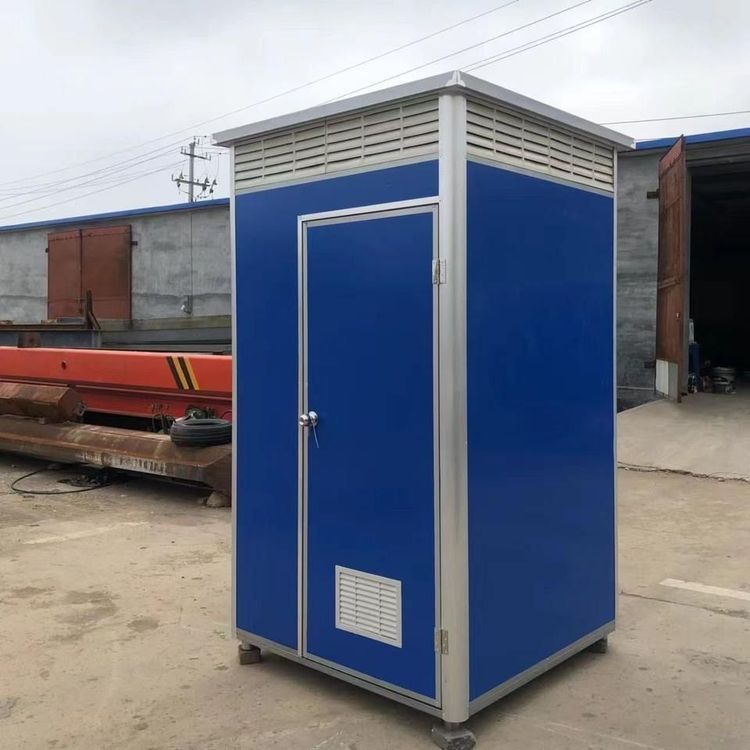
Main Problems with Mobile Toilets
Mobile toilets mainly have problems in terms of hygiene, inconvenience in use, maintenance hassles, high costs, and environmental adaptability.
Hygiene Issues: Mobile toilets are limited by the space of the container and the capacity for waste storage, resulting in limited continuous service capacity per unit. If maintenance is not timely, waste accumulation and insufficient clean water can easily lead to odors, bacterial growth, and even potential epidemic risks. Some water-based facilities that are left idle for long periods may encounter technical issues such as pipe ruptures and leaks. Additionally, the smell of chemical degradants after volatilization is unpleasant in enclosed spaces, and inadequate maintenance of the sewage system can exacerbate the odor.
Inconvenience in Use: Mobile toilets are not tightly connected to the ground, making them prone to shaking or tipping over, which affects safety during use. Their relatively small space is not conducive to hygiene and cleaning of all body parts, posing difficulties for obese individuals or those with lower limb mobility issues. At the same time, the cramped space fails to provide sufficient privacy, making users vulnerable to being observed. During cleaning, users may come into contact with cleaning staff, causing psychological distress to both parties.
Maintenance Hassles: The maintenance of mobile toilets is relatively cumbersome. The black water tank needs to be emptied every two to three days, and degradants need to be added. Sticky feces may require manual wiping. Grinding toilets need their blades replaced every six months, which is costly, and antifreeze needs to be added in winter, increasing the complexity and cost of maintenance.
High Costs: For maintenance parties, mobile toilets require significant investment in labor costs, cleaning costs, and transportation costs. Repair costs are also relatively high, as different components such as sewage, water supply, and electricity require independent supply systems, making repairs difficult. In addition, the price of degradants ranges from tens to hundreds of dollars, and the blades and seals of grinding toilets are expensive. The initial investment in biodegradable toilets is also not low.
Environmental Adaptability Challenges: Mobile toilets face challenges in adapting to different environments. In cities, designated sewage discharge points are required; in the wilderness, the addition of degradants may damage the soil. In areas with few sewage stations like Tibet, insufficient gray water tank capacity can affect use. During the rainy season, the biodegradation cycle may be extended, further affecting usage effectiveness.