
Mobile Toilet Made of Iron Sheet
It is feasible to make mobile toilets from iron sheets, and there are already mature application cases.
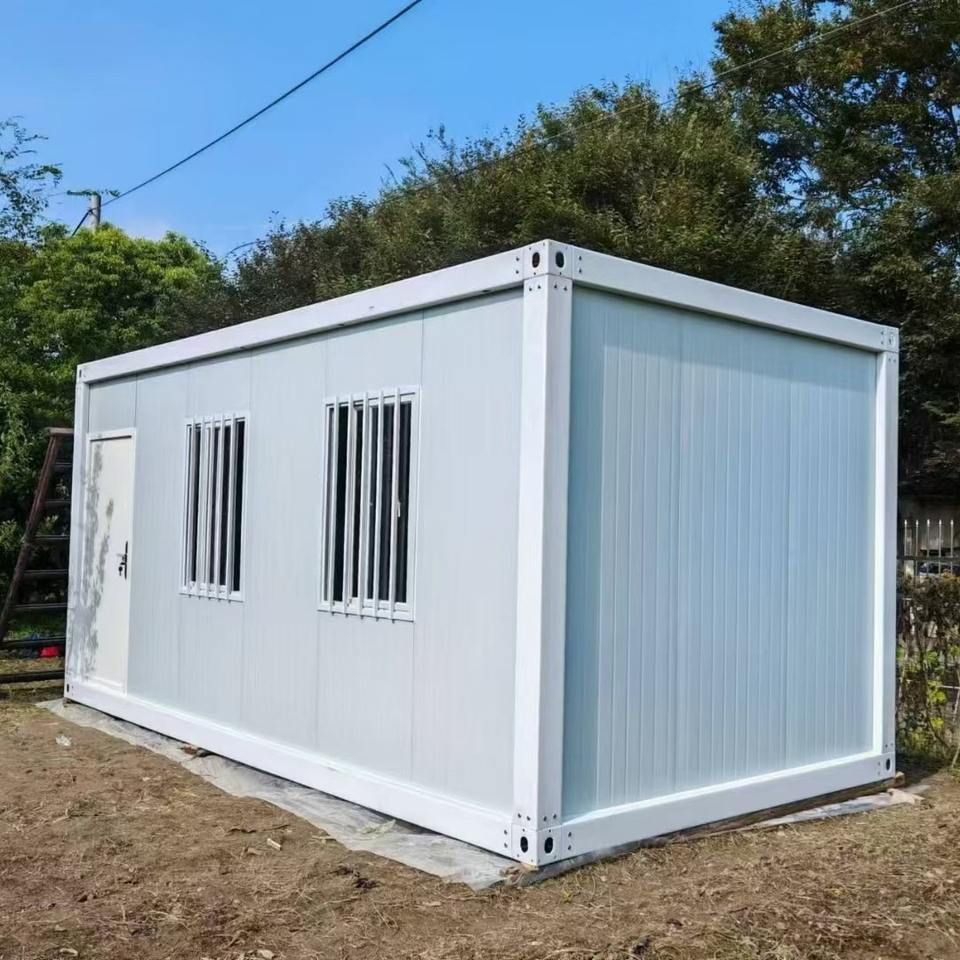
1. Structural Design Features of Iron Sheet Mobile Toilets
Iron sheet mobile toilets typically adopt a design pattern that combines a lightweight frame with durable panels. The main frame is mostly made of metal materials (such as iron sheet profiles), which are connected by welding or bolts to form a stable structure, providing support for the entire unit. The exterior is covered with color-coated steel sheet edging, which not only enhances the structural strength but also offers rust resistance and easy cleaning. The surface of the color-coated steel sheet is treated with galvanization or spraying, effectively resisting environmental factors such as moisture and corrosion, thereby extending the service life. Additionally, the edging design prevents the exposed edges of the iron sheets, reducing the risk of scratching users.
2. Functional Configuration and Practicality
The interior space design of iron sheet mobile toilets balances practicality and compactness. They are equipped with plastic windows as standard, which not only ensure privacy (e.g., through frosted or semi-transparent treatments) but also allow natural light to enter, reducing the sense of darkness inside. Metal locks provide basic security protection, preventing unauthorized access. Some models can also be extended with shower functions, using waterproof sealing designs (such as silicone sealing strips and sloped drainage grooves) to prevent water leakage and form a simple shower room to meet temporary cleaning needs. Moreover, the smooth surface of the iron sheet material makes it less prone to absorbing stains, resulting in lower cleaning and maintenance costs.
3. Application Scenarios and Advantages
The flexible deployment characteristic of iron sheet mobile toilets makes them suitable for various scenarios. For example, they can be quickly installed and moved in temporary event venues such as outdoor music festivals and sports events; they can promptly address toilet needs in areas lacking fixed infrastructure, such as temporary construction sites and post-disaster reconstruction areas; in rural revitalization projects, their modular design can quickly cover scattered residential points, avoiding the long construction period and high costs associated with traditional toilets. Their modular characteristics support the combination of functional units according to needs (such as adding storage rooms or management rooms), further expanding their applicability.
4. Design Issues to Avoid
If iron sheet mobile toilets are poorly designed, it may affect the user experience. For example, using only thin iron sheets spliced together with a perforated design can result in poor privacy (external visibility of internal activities) and low practicality (poor sound insulation and weak wind resistance). Therefore, during the design process, it is necessary to ensure that the iron sheet thickness is appropriate (usually ≥0.8mm), the enclosure structure is sealed, and soundproofing materials or double-layer iron sheet designs are added to enhance overall performance.



