
Mobile Toilet Machine Tool
"Mobile toilet machine tool" is not a standard term, and there is currently no directly corresponding professional equipment definition. However, based on information from related fields, it may refer to equipment or technical processes related to the production or processing of mobile toilets. The following analysis is conducted from the perspectives of mobile toilet production equipment, processing technology, and industry applications:
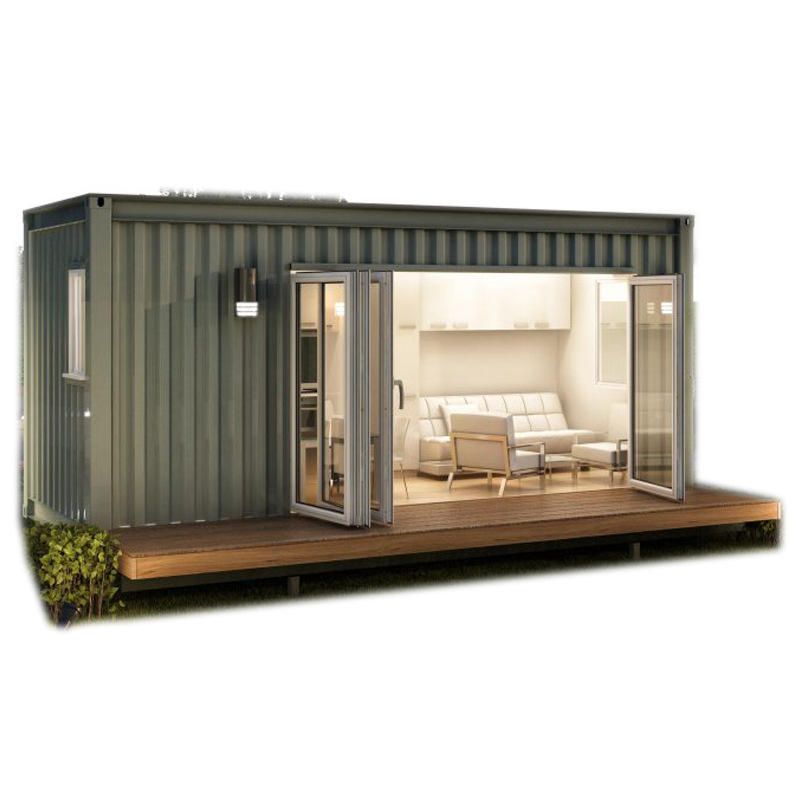
Core Equipment for Mobile Toilet Production
The production of mobile toilets typically involves multiple stages, requiring the collaboration of various equipment. During the raw material processing stage, equipment such as CNC cutting machines and automatic welding machines are used for cutting and welding metal frames to ensure structural precision and strength. For the molding of plastic or fiberglass-reinforced plastic shells, injection molding machines or compression molding machines are relied upon to shape the materials into preset structures through high temperature and pressure. In the assembly stage, automated assembly lines enable rapid positioning and fixation of components, such as using robotic arms to complete operations like door and window installation and pipe connections, enhancing production efficiency and consistency. During the testing stage, equipment such as airtightness testers and load-bearing test platforms are used to verify the sealing and structural stability of mobile toilets, ensuring that the products meet usage standards.
Key Points of Processing Technology
The processing of mobile toilets needs to balance functionality and portability. Lightweight design is one of the core objectives, achieved by optimizing material selection (such as high-strength aluminum alloys and composite materials) and structural layout (such as honeycomb sandwich designs) to reduce weight while ensuring strength, facilitating transportation and installation. Modular production technology breaks down the toilet into multiple independent modules (such as bases, walls, and roofs), enabling rapid assembly through standardized interfaces and shortening on-site construction periods. Additionally, the integration of environmental protection treatment technologies (such as biodegradation and circulation filtration) relies on precise piping systems and control equipment to ensure that wastewater meets discharge standards or is reused.
Industry Applications and Development Trends
Mobile toilets have a wide range of application scenarios, including tourist attractions, temporary events, and disaster relief. With technological advancements, intelligence has become an important development direction, such as using sensors to monitor usage frequency, water levels, and other data in real-time and联动 (this Chinese word means 'linkage' or 'interconnection', here it means linking with automatic cleaning systems) with automatic cleaning systems; energy-saving designs reduce operational costs through technologies such as solar power and rainwater harvesting. In the future, 3D printing technology may further simplify the production process, enabling customized design and rapid manufacturing to meet diverse needs.



