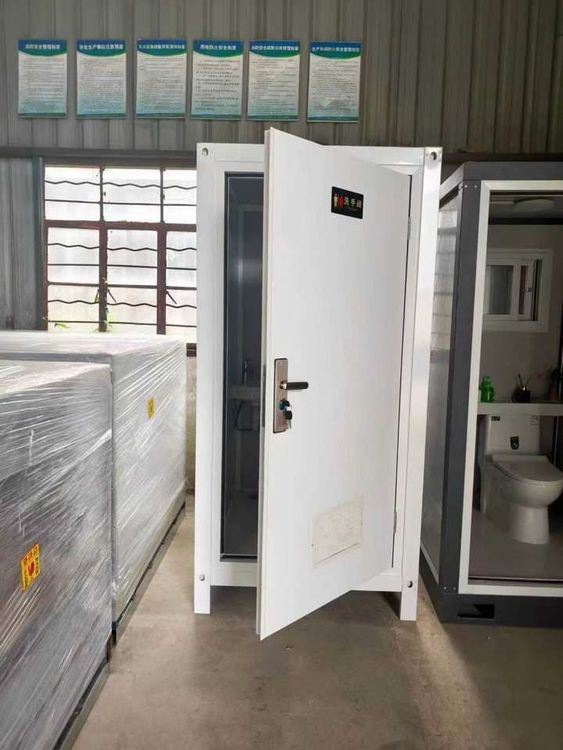
Low Water Flow in Mobile Toilet
Low water flow in a mobile toilet may be caused by issues with the water tank, pipes, water pressure, or flushing mechanism, and can be troubleshot and resolved using the following steps:
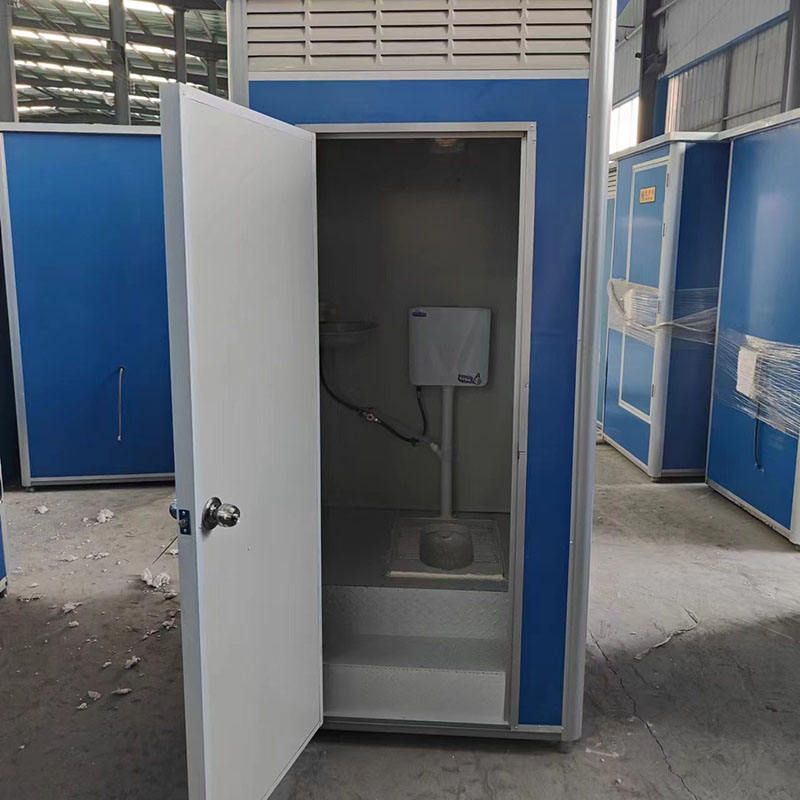
Water Tank Issues Insufficient water level in the tank is a common cause. If the water level is low, check the inlet valve settings: Locate the inlet valve inside the tank, which usually has a small screw on top. Use a screwdriver to turn it counterclockwise gently to raise the float, causing the water level to rise and increasing the flush volume. If the tank outlet is clogged with scale or debris, clean it thoroughly. If the rubber gasket of the drain valve is aged and causing leaks, replace it with a new one to restore sealing.
Pipe Issues Pipe blockages or improper slopes can affect water flow. If blockage is suspected, try pouring a mixture of baking soda and white vinegar into the pipe to dissolve the blockage through a chemical reaction, or use a specialized pipe cleaner. If the pipe slope is improperly designed (e.g., horizontal or reverse slope), contact a professional to readjust the slope to ensure smooth drainage.
Water Pressure Issues Insufficient water pressure directly results in low flush volume. First, check if the angle valve is fully open; if not, turn it clockwise to the maximum opening. If the water pressure in the entire area is generally low (e.g., in high-rise buildings or during peak water usage periods), consider installing a booster pump to increase water flow pressure through mechanical pressurization, thereby increasing the flush volume.
Flushing Mechanism Issues Damage to the flush button or pedal directly affects flushing performance. If the button does not spring back or has a shortened stroke when pressed, try adjusting the length of the button push rod; if it is severely aged, replace it with a new mechanism. For sensor-based flushing mechanisms, check if the sensor window is blocked by dirt (wipe it clean with a soft cloth) and ensure the battery is fully charged. If the sensing distance is shortened or the flushing time is insufficient, adjust the parameters according to the instructions or replace the sensor module.
Operation Tips: When troubleshooting, it is recommended to start with simple issues (e.g., checking the angle valve, cleaning the tank) and then gradually move on to more complex issues (e.g., pipe slope, booster pump installation). For professional operations (e.g., replacing rubber gaskets, adjusting pipe slopes), it is advisable to contact after-sales service or repair personnel to avoid secondary damage caused by improper operation.