
Lifting Plan for Mobile Toilets
The lifting plan for mobile toilets primarily involves the precise placement of modular toilet units in specific areas using portable lifting equipment, particularly suitable for scenarios lacking flat ground, such as rocky platforms and steep slopes. The core design features and operational procedures are as follows:
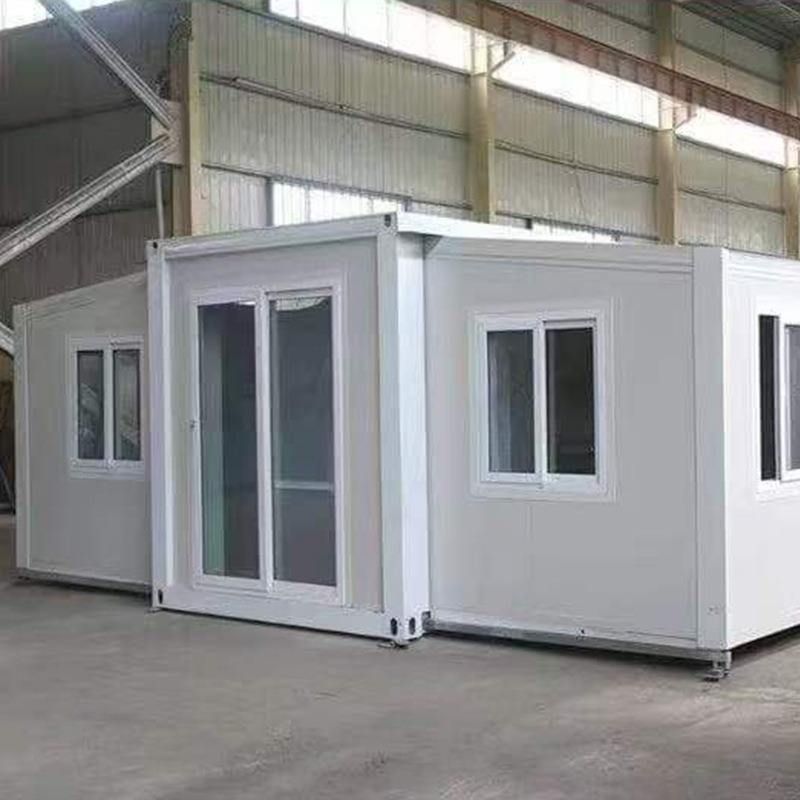
1. Modular Structure and Material Characteristics The lifting-type mobile toilet adopts a modular frame structure, primarily made of stainless steel, which possesses corrosion-resistant and wear-resistant properties, enabling it to adapt to complex outdoor environments. The structure is divided into a base unit and a functional unit:
- Base Unit: Includes a load-bearing frame and anti-slip flooring, ensuring overall stability. Even when placed on slopes or uneven ground, the frame design can disperse pressure to avoid tipping risks.
- Functional Unit: Integrates a flushing system, sewage disposal device, and ventilation module, with each module independently encapsulated for easy maintenance and replacement.
2. Lifting Deployment Process
- Site Preparation: Traditional foundation construction is not required, but the placement area should be initially leveled (e.g., removing sharp stones and filling in depressions) to ensure equipment stability during lifting.
- Equipment Selection: Choose appropriate lifting equipment, such as a small truck-mounted crane or forklift, based on the weight of the toilet unit (approximately 300-500kg per unit), ensuring the lifting capacity covers the total weight (calculate the total load if multiple units are lifted simultaneously).
- Lifting Operation: Lift the toilet unit vertically using the lifting equipment and slowly move it to the target location. Utilize the anti-slip flooring and frame structure of the base unit for natural fixation, avoiding additional anchoring measures.
3. Transportation and Efficiency Advantages
- Lightweight Design: The weight of a single unit is controlled within 300-500kg, significantly reducing transportation costs. A standard truck can simultaneously transport 6-8 units.
- Assembly-Free Feature: Factory-prefabricated modules do not require on-site assembly upon arrival. The entire process from transportation to activation takes only 2-3 hours, greatly shortening the preparation cycle, especially suitable for emergency scenarios (e.g., disaster relief, temporary events).
4. Disassembly and Transfer Convenience During disassembly, only the functional modules (e.g., sewage tanks, water tanks) need to be cleaned for transfer. The separate design of the base unit and functional unit reduces handling volume, supporting rapid redeployment and meeting environmental and economic requirements.
This plan achieves efficient deployment and flexible application of mobile toilets through modular, lightweight, and construction-free design, particularly suitable for complex terrains or temporary demand scenarios.



