
How Long Does a Mobile Toilet Last
The service life of a mobile toilet typically ranges from 5 to 20 years, with the specific duration influenced by multiple factors such as material, craftsmanship, maintenance, and usage environment. The following is an analysis from key dimensions:
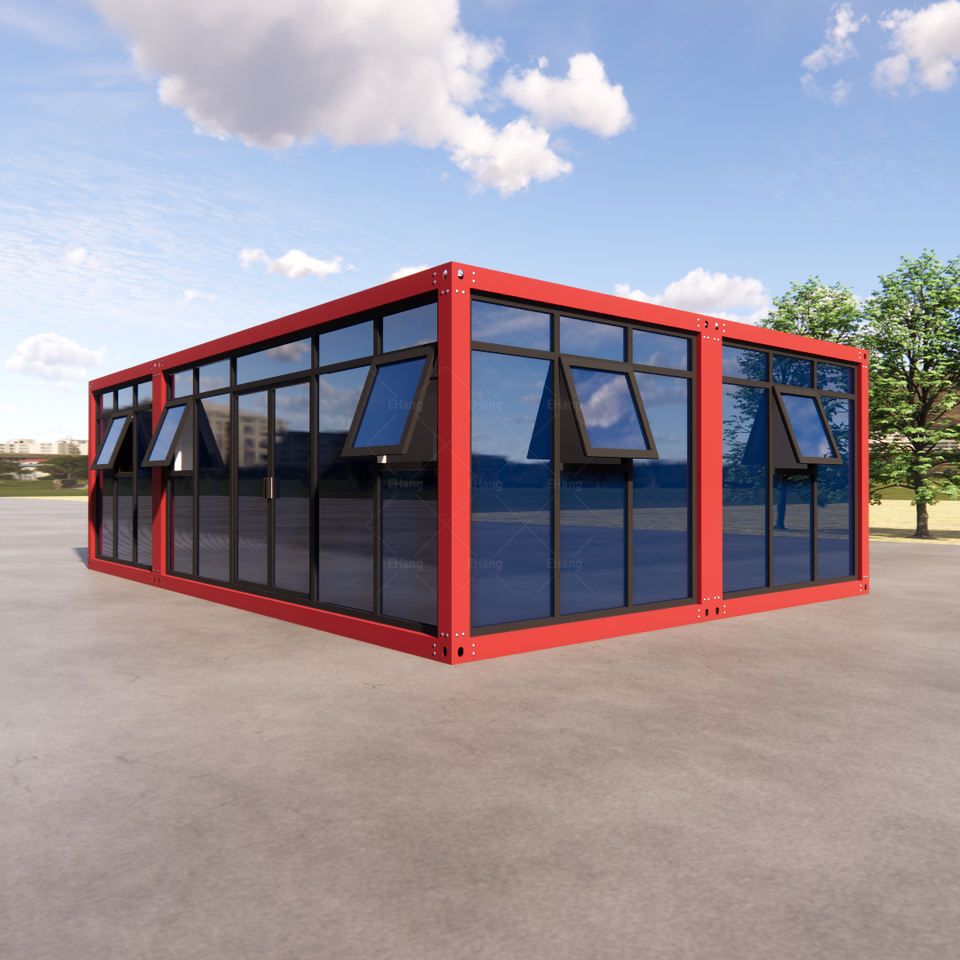
1. Material differences directly affect the basic lifespan
For conventional mobile toilets made of ordinary metals or plastics, the lifespan of the main structure is about 5-8 years. These materials are prone to environmental erosion, especially in humid, salt-spray, or strong ultraviolet regions, where the aging process accelerates. If high-quality stainless steel, fiberglass-reinforced plastic, or high-strength engineering plastics are selected, the corrosion resistance and structural stability are significantly improved, and the lifespan can be extended to over 10 years. For example, some high-end products undergo special surface treatments (such as galvanizing and spraying), further enhancing their rust resistance, with a basic lifespan of up to 15 years.
2. Craftsmanship level determines structural durability
The frame craftsmanship of a mobile toilet is a core indicator of its lifespan. Frames using full-weld and full-paint processes have seamless welds and uniform coatings, effectively isolating moisture and oxygen to prevent metal rusting. Such structures typically have a lifespan of over 10 years. If the frame uses national standard steel and is covered with anti-corrosion and fire-resistant materials (such as epoxy resin coatings), its impact resistance and high-temperature resistance are stronger, and the lifespan can reach over 20 years. Additionally, if high-density composite boards or metal carved boards are selected for the exterior walls, the theoretical lifespan can reach 30 years, but the actual service life needs to be evaluated in combination with the overall structure.
3. Maintenance is key to extending the lifespan
Regular maintenance can significantly improve the durability of a mobile toilet. For example, inspecting frame connectors, cleaning the drainage system, and applying anti-rust paint every six months can prevent small problems from accumulating and causing structural damage. In highly polluted environments (such as chemical industrial areas and coastal regions), the maintenance cycle should be shortened to once every quarter, with a focus on handling residual corrosive substances. A mobile toilet lacking maintenance, even with high-quality materials, may be scrapped within 5 years due to rusting, clogging, and other issues.
4. Usage environment accelerates or delays aging
Climatic conditions have a significant impact on the lifespan: mobile toilets in dry regions generally have a lifespan 3-5 years longer than those in humid regions. High-temperature and high-humidity environments accelerate plastic aging and metal rusting, while low-temperature regions require precautions against freeze cracking. Usage frequency is also crucial: in public places with an average daily usage of over 200 people, the wear rate of a mobile toilet is 2-3 times that of low-frequency scenarios, and the lifespan may be shortened to 5-8 years.



