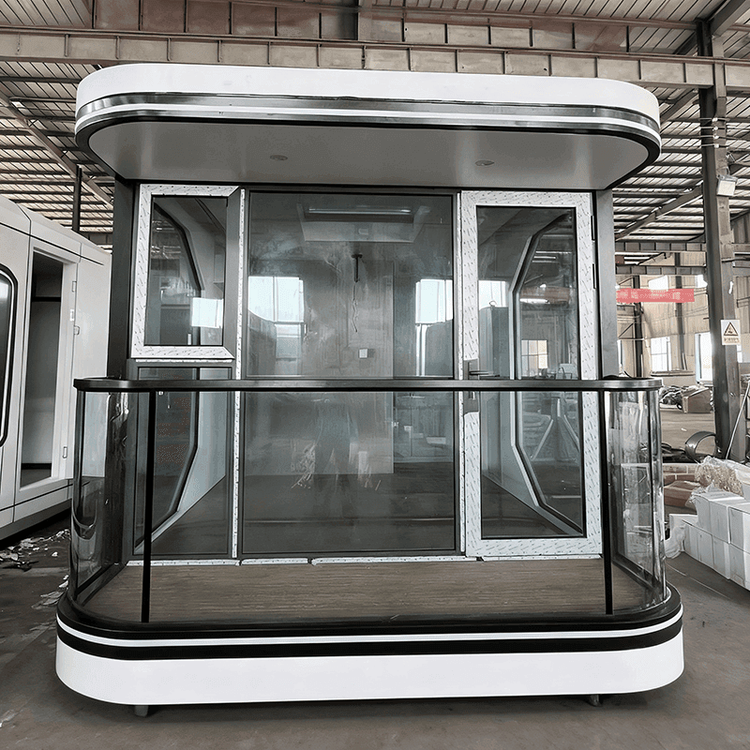
How to Repair a Leaking Mobile Toilet
The repair of a leaking mobile toilet should be carried out based on the specific cause. Common situations and repair methods are as follows:

1. Blocked or Damaged Drain Pipes
If the leakage is concentrated in the drain pipe area (such as near the floor drain, sink, or under the toilet), stop using water for 48 hours first, and then conduct a water pouring test to confirm whether it is a drain pipe issue.
- Pipe Damage: Cut off the damaged part of the pipe and replace it with a new pipe of the same specification. If immediate replacement is not possible, wrap the leaking area with leak-stopping tape and then cover it with leak-stopping glue for temporary treatment.
- Pipe Blockage: Use pipe unclogging tools (such as a spring unclogger) or chemical unclogging agents (such as those containing sodium hydroxide) to unclog the pipe. If the blockage is severe or the pipe is aged, it is advisable to contact a professional for handling. Note: When using chemical unclogging agents, wear rubber gloves and goggles to avoid skin or eye contact.
2. Poor Sealing of the Toilet or Damaged Drain Valve
If the toilet tank continues to leak or the water level is too high and overflows from the overflow pipe, check the internal components of the toilet.
- Poor Sealing: Close the toilet's angle valve, drain the water from the tank, and then remove the upper cover. Check whether the sealing ring at the connection between the drain valve and the tank is aged or displaced. If the sealing ring is damaged, replace it with a new one. If the entire drain valve is damaged, it is advisable to contact a professional for repair or toilet replacement.
- Inlet Device Failure: If the water level in the tank is too high, it may be due to foreign matter stuck in the water-stopping device of the inlet valve or an aged sealing ring. Clean the foreign matter from the water-stopping device or replace the sealing ring of the inlet valve.
3. Loose or Aged Pipe Joints
If the leakage is at the pipe joints (such as at corners or equipment connections), check the condition of the joints.
- Loose Joints: Tighten the joints with a wrench to ensure a tight connection.
- Aged Joints: If it is a metal pipe, cut off the damaged part and re-weld it. If it is a non-metal pipe (such as a PVC pipe), directly replace it with a new joint.
4. Damaged Waterproof Layer
If there is continuous water seepage on the floor or walls, it may be due to a failed waterproof layer.
- Floor Seepage: Use a penetrating waterproofing agent coating. After cleaning the floor, block the drain, evenly pour the coating onto the floor, let it stand for 24 hours to allow it to penetrate and solidify, and then clean up the residue.
- Wall Seepage: Spray a penetrating waterproofing agent spray, extending the spraying range to at least 30 centimeters around the seepage area. Let it stand for 24 hours and then wipe the wall dry.
Repair Precautions:
- Turn off the water source and drain the water before repair to avoid the risk of electric shock or slipping.
- If you lack repair experience or the cause of the leakage is complex (such as damage to concealed pipes), it is advisable to contact a professional for handling to avoid secondary damage.