
Mobile Toilet Introduction
Mobile toilets are facilities that can be moved as a whole and provide toilet services to the public. They are suitable for a variety of locations and come in multiple types with distinct features.
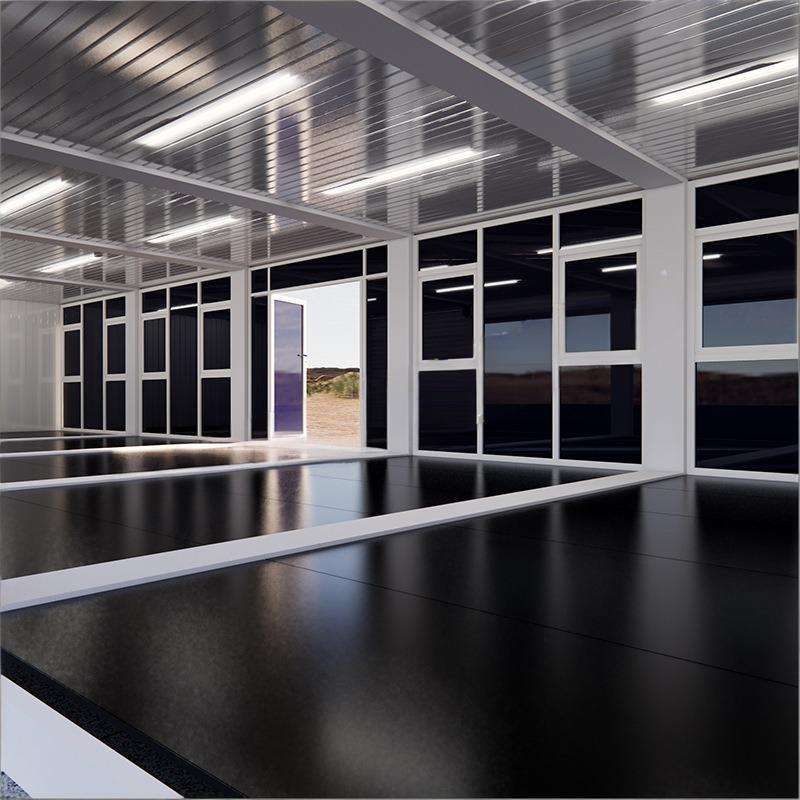
Suitable Locations
Mobile toilets are suitable for stations, docks, tourist attractions, villa areas, newly built residential communities, large construction sites, squares, densely populated public places, and bustling commercial streets. These locations have a high volume of foot traffic, and the demand for toilet facilities can be either temporary or permanent. Mobile toilets can effectively meet these needs.
Composition and Structure
They are generally composed of a fecal sewage storage tank (or fecal sewage treatment device), flooring, sanitary ware, walls, washing equipment, water tanks, roofs, and mobile devices. These components work together to ensure the normal operation and functionality of mobile toilets.
Development History and Materials
Initially, mobile toilets were made from materials such as wood, with simple structures and functions, and they were prone to absorbing odors. Later, they gradually evolved to use materials like fiberglass-reinforced plastic and polyethylene, which offer better properties such as corrosion resistance, high strength, and resistance to deformation, thereby improving the quality and service life of mobile toilets.
Type Classification
- By structural form: They can be divided into single-structure mobile toilets and composite-structure mobile toilets. Single-structure toilets are relatively simple and highly independent, while composite-structure toilets are more complex and may have more functions and space.
- By mobility method: They are classified into lifting and handling mobile toilets, and powered and towed mobile toilets. Lifting and handling types are suitable for short-distance movement, while powered and towed types can be pulled by vehicles for longer-distance movement.
- By sewage treatment method: They are categorized into flush and non-flush suction mobile toilets, circulating flush mobile toilets, and dry-packing mobile toilets. Different treatment methods are suitable for different environments and needs. For example, flush-type toilets offer higher cleanliness but require a water source, while dry-packing types do not require a water source and are suitable for water-scarce areas.
Features and Advantages
They can be easily transported to any location where toilets are needed and can be used repeatedly. They offer advantages such as mobility, modularity, and ease of transportation. For example, the specially designed mobile toilets produced by Dezhou Hongtu Metal Products Co., Ltd. feature a galvanized steel frame that is sturdy and durable, with a service life of over 15 years. The exterior wall panels are orange brick-patterned, giving them an attractive appearance. Another model, welded with 100*100 galvanized square steel, uses substantial materials and is suitable for temporary projects lasting several months.



