
Mobile Toilet Interior Wall Tiles
Currently, there is no publicly available information that explicitly mentions the specific materials, specifications, or design features of interior wall tiles for mobile toilets. However, based on the functional requirements of mobile toilets, common industry practices, and material properties, the possible situations regarding their interior wall tiles can be analyzed as follows:
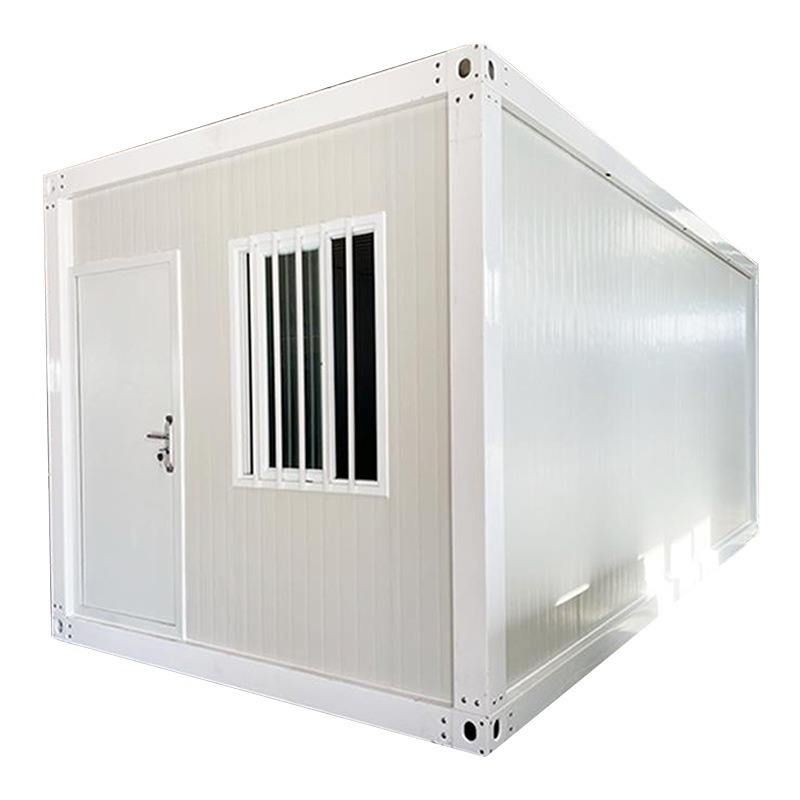
Material Selection: Focused on Durability and Easy Cleaning
Mobile toilets are used in special scenarios that require frequent cleaning and may involve exposure to chemical cleaning agents. Therefore, the materials for interior wall tiles need to possess waterproof, moisture-proof, and corrosion-resistant properties. Common possible materials include:
- Ceramic Tiles: With a smooth surface and low water absorption rate, ceramic tiles are easy to clean and wear-resistant, making them a common choice for interior walls in public restrooms. If mobile toilets use ceramic tiles, small-sized options (such as 300×600mm) may be selected to fit the narrow space. Additionally, glossy or matte finishes are preferred to reduce dirt adhesion.
- PVC Wall Panels: Although not traditional "tiles," some mobile toilets may use PVC composite wall panels to simulate a brick pattern. These materials are lightweight, easy to install, and have waterproof and mold-resistant properties, making them suitable for temporary or mobile scenarios.
- Metal Panels: Such as stainless steel or aluminum composite panels, which are highly corrosion-resistant but relatively expensive. They are mostly used in high-end or special-demand scenarios (e.g., mobile toilets in medical or chemical industries).
Design Features: Balancing Functionality and Aesthetics
- Slip and Splash Resistance: The edges of interior wall tiles may be rounded to prevent scratches during cleaning. If ceramic tiles are used, their surface texture may lean towards smoothness to reduce water stains.
- Color and Style: To enhance the user experience, interior wall tiles may predominantly feature light colors (such as off-white or light gray) to create a bright and clean environment. Some vintage-style mobile toilets (e.g., the gray metal carved panel exterior style mentioned in ) may incorporate imitation brick patterns on the interior walls, but it is necessary to confirm whether they are real tiles or imitation brick coatings.
- Modular Design: Mobile toilets need to be easily disassembled and transported. Interior wall tiles may adopt modular installation methods (such as snap-fit or adhesive-based) to reduce on-site construction time.
Industry Status: Lack of Unified Standards
Currently, there are no clear industry standards for the selection of interior wall tiles for mobile toilets. The choice is mostly determined by manufacturers based on cost, target market, and customer needs. For specific information, it is recommended to directly contact mobile toilet manufacturers or suppliers, providing the model or usage scenario (e.g., scenic spots, construction sites, exhibitions) to obtain tailored advice.



