Insulation Principle of Mobile Toilets
The insulation principle of mobile toilets primarily relies on thermal insulation materials, structural design, auxiliary heating devices, and door and window sealing treatments. Through multi-layer measures, heat transfer is reduced to maintain a stable internal temperature.

1. Application of Thermal Insulation Materials
The core of insulated mobile toilets lies in the use of thermal insulation materials with low thermal conductivity, such as polyurethane foam, rock wool, or glass wool. These materials contain numerous tiny air pockets inside, and air, as a poor conductor, effectively blocks heat transfer through solids or gases. For example, the thermal conductivity of polyurethane foam can be as low as 0.022-0.028 W/(m·K), significantly lower than that of ordinary concrete or steel, thereby greatly reducing heat loss caused by temperature differences between the inside and outside.
2. Double-Wall Structural Design
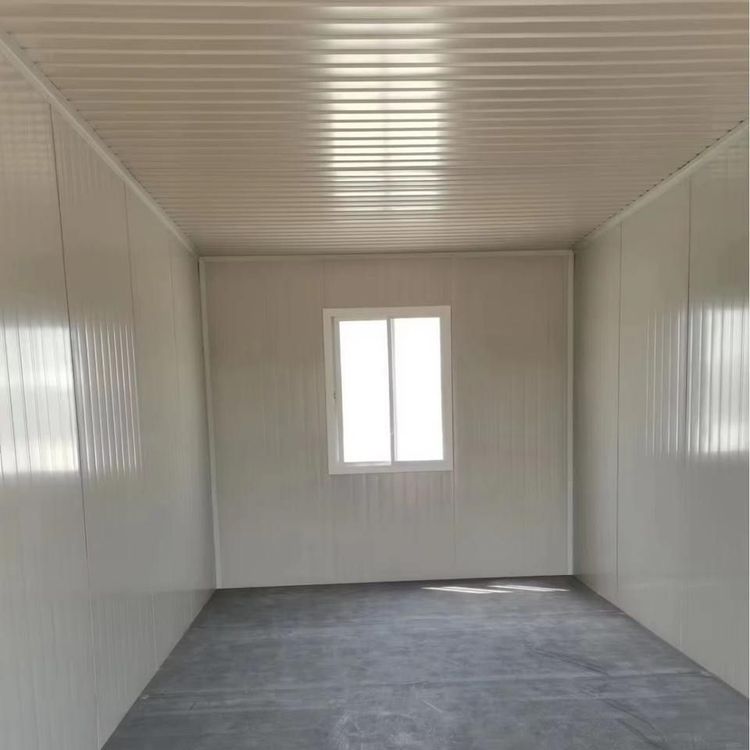
Structurally, insulated mobile toilets typically adopt a double-wall design, with an air cavity between the inner and outer walls filled with thermal insulation materials. This design forms a 'thermal resistance layer', slowing down heat dissipation by increasing the thickness of the heat transfer path and the material resistance. Some high-end models also incorporate vacuum layers or reflective films in the wall cavities to further block thermal radiation and enhance insulation performance.
3. Configuration of Auxiliary Heating Devices
In extremely low-temperature environments, relying solely on thermal insulation materials may not be sufficient to maintain a comfortable temperature. Therefore, some mobile toilets are equipped with small heating devices. For instance, electric heaters generate heat through electrical resistance to directly supplement warmth, while solar heating systems utilize solar collectors to absorb sunlight and convert it into thermal energy, which is stored in water tanks or circulating pipes to provide heating for the toilet interior. These devices are usually linked to a temperature control system, automatically activating when the temperature falls below a set point to avoid energy waste.
4. Door and Window Sealing Treatments
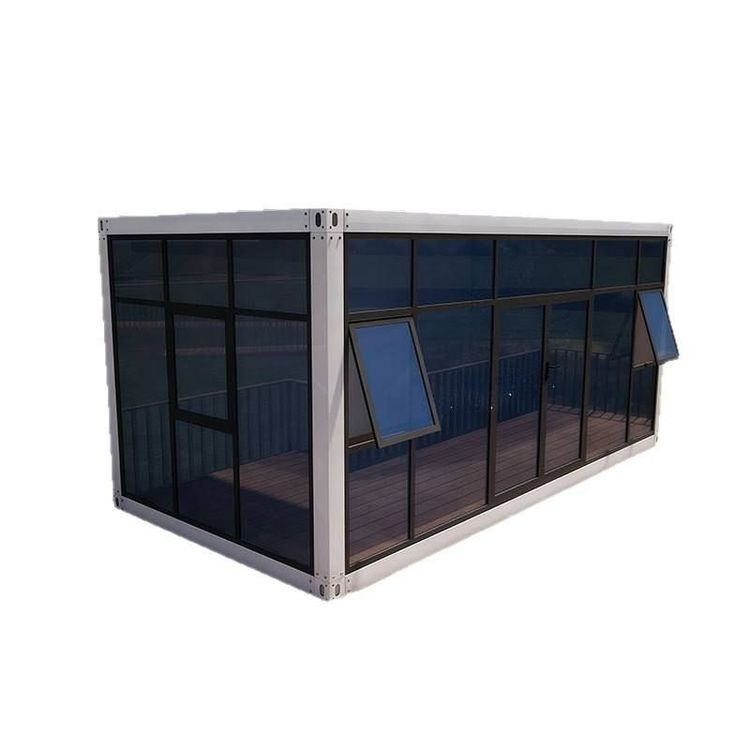
Doors and windows are major channels for heat loss. The doors and windows of insulated mobile toilets are sealed with rubber strips or magnetic sealing strips, using elastic materials to fill gaps and reduce cold air infiltration. Meanwhile, some models use double-glazed windows, utilizing the air layer between the glass panes to create additional thermal resistance and further lower heat transfer efficiency. Additionally, the door frame design may include an automatic closing mechanism to ensure rapid sealing after opening and closing, preventing prolonged exposure from causing a temperature drop.
Through the comprehensive application of the above measures, insulated mobile toilets can effectively maintain internal temperatures in low-temperature environments, meeting usage requirements while reducing energy consumption. They are suitable for scenarios such as outdoor events, temporary construction sites, or high-altitude and cold regions.