Back to blog
Article
Mobile Toilet Instructions
Admin September 20, 2026
Mobile toilets are modular facilities designed to meet sanitation needs in temporary or mobile scenarios, featuring flexible deployment, rapid assembly, and adaptability to various environments. Their core design, functions, and application scenarios are as follows:

I. Structural Design and Core Components
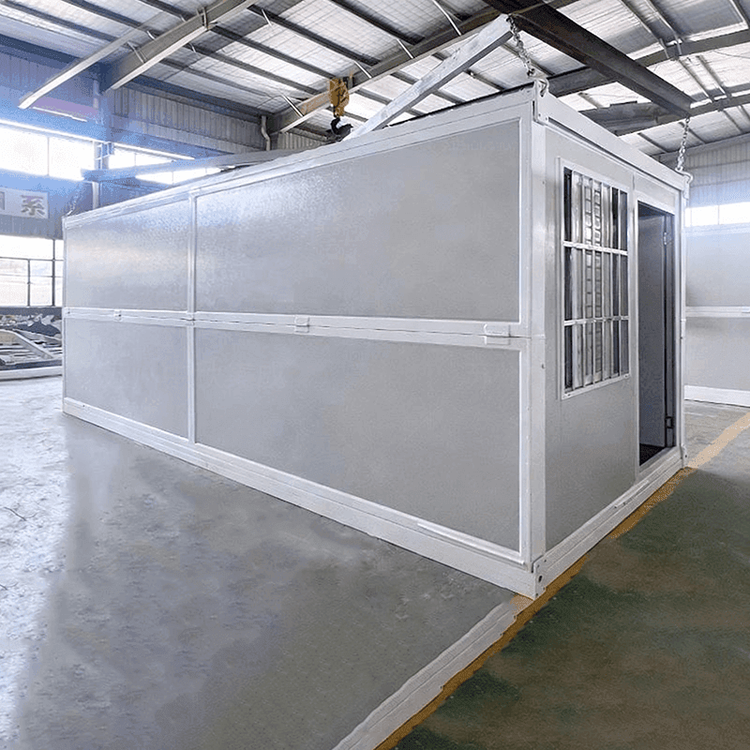
- Frame and Enclosure Structure: The main frame is made of metal (such as iron sheet profiles) to provide structural support, while the enclosure structure primarily uses color-coated steel plates with a 5mm-thick foam material sandwiched in between, offering a combination of lightness, durability, and thermal insulation. The outer layer is finished with color-coated steel edges to enhance sealing and prevent rainwater infiltration.
- Door and Window System: Plastic windows ensure light transmission while reducing weight and cost, and metal locks ensure safety during use.
- Internal Facilities: Standard configurations include squat toilets, urinals, sinks, and hooks for hanging items. Some high-end models integrate intelligent systems, such as PLC data acquisition, LED toilet occupancy monitors, and 4G remote monitoring modules, supporting mobile app control of lighting and flushing.
II. Functional Characteristics and Application Scenarios
- Core Functions: Provide independent and hygienic toilet spaces, with a design of 1100*1100mm in plan and 2000mm in height, balancing user comfort and transportation convenience.
- Transportation and Assembly: Adopt a loose-parts shipping model, allowing transportation via containers or regular trucks and rapid on-site assembly, suitable for scenarios without fixed infrastructure.
- Excreta Disposal: Require placement on level ground, with excreta issues resolved through external septic tanks or sewage pipelines.
- Application Scenarios: Cover fixed locations such as stations, docks, tourist attractions, construction sites, and squares, as well as temporary events like entertainment performances, sports events, and conferences and exhibitions, and can also be used in outdoor environments such as gardens and campsites.
III. Technical Advantages and User Experience
- Flexibility: The combination of color-coated steel plates and foam sandwiches reduces weight, allowing single-person short-distance movement; modular design supports the addition or removal of functional modules (such as adding a sink).
- Maintenance Costs: The pairing of plastic windows and metal locks reduces the need for later maintenance.
- Comfort: The foam sandwich reduces heat loss in winter and blocks external high temperatures in summer, enhancing the user experience.
IV. Assembly and Usage Precautions
- Assembly Process: Connect the frame, install the enclosure structure, and fix the doors and windows in sequence according to the instructions, and check the sealing of the metal locks.
- Daily Maintenance: Avoid scratching the surface of the color-coated steel plates and regularly clean the windows; check the sealing of the edges in rainy or snowy environments; select an appropriate water source based on water quality and pressure.
- Winter Protection: Turn on the heating cable and electric heater before use, and drain the water from the water tank, pipes, and booster pump when not in use to prevent freezing and cracking.
- Pipe Maintenance: Flush the sewage pipes of pipe-type toilets with a high-pressure water gun every 20-60 days (20 days in winter/60 days in summer) to prevent blockages.
- Electrical Safety: Select appropriate wires based on equipment configurations (such as 20W for exhaust fans and 300W for electric heaters), and reinforce the sealing at the lifting points with sealant after installation to prevent rain leakage.
Related