
Back to blog
Article
Mobile Toilet Installation Recommendation
Admin September 23, 2026
The installation of mobile toilets should be tailored to specific types and usage scenarios. Below are installation recommendations for different types and for the Inner Mongolia region:
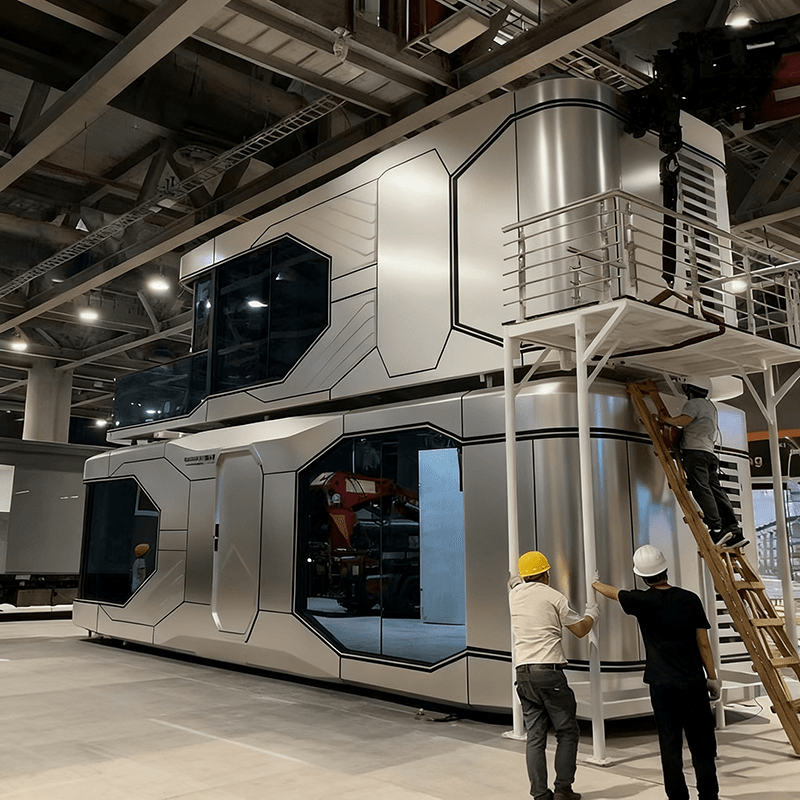
I. Key Points for Installing General Types
- Elevated 738 Mobile Toilet: Before installation, confirm the completeness of accessories, including 4 elephant legs, 2 handrails, 4 non-slip mats, and 1 soft-close device. During installation, separate the two sets of elephant legs and ensure the four non-slip mats are placed independently to enhance stability and prevent wobbling due to an uneven contact surface.
- Stainless Steel Waterless Packing Squat Toilet:
- Installation Methods: There are two types: floor-mounted and in-ground. For in-ground installations, waterproofing must be done in advance, and the ground must be strictly leveled to prevent drainage issues or structural damage due to tilting.
- Fixing Requirements: When using a steel frame for reinforcement, add rubber pads to reduce direct friction between the metal and the ground. After installation, repeatedly adjust the levelness of the squat toilet to ensure comfort. The stainless steel shell should not directly contact cement; leave space for expansion to prevent cracking due to thermal expansion and contraction.
II. Installation Recommendations for Special Scenarios in Inner Mongolia
- Matching Usage Scenarios with Occupancy:
- For tourist attractions or large events (e.g., music festivals), choose large mobile toilets with multiple compartments to meet high foot traffic demands. For camping or family gatherings, opt for small single or double units for portability and practicality.
- Estimate the number of users in advance, such as configuring toilet units based on peak hourly occupancy to avoid queues or resource waste.
- Material and Durability:
- Inner Mongolia experiences cold, windy winters and hot, dry summers, so choose materials that are wind-resistant, freeze-resistant, and corrosion-resistant. Recommended materials include fiberglass (lightweight and weather-resistant) or metal frame + color steel plate (structurally sturdy and suitable for long-term use).
- Drainage and Cleaning Design:
- Direct Drainage: Requires connection to a drainage pipe, suitable for long-term fixed installations (e.g., tourist attraction restrooms), but ensure proper pipe slope to prevent clogging.
- Packing Type: Comes with degradable bags and does not require an external drainage system, suitable for temporary events (e.g., music festivals). Simply replace the bags after use for low maintenance costs.
- Cleaning Convenience: Prioritize models with foot-flush or automatic flush functions to reduce manual cleaning frequency. The interior design should avoid dead corners to prevent dirt buildup.
- Supporting Facilities and Comfort:
- Basic configurations should include a ventilation system (e.g., exhaust fan or natural vent) to reduce odors. Non-slip floors reduce the risk of falls, especially for the elderly and children.
- For winter use, add insulation layers to prevent pipe freezing. For premium needs, consider models with sinks, mirrors, and hooks to enhance the user experience.
- Rental or Purchase Decision:
- For short-term use (e.g., a single event), renting is more cost-effective and avoids maintenance responsibilities. For long-term use (e.g., year-round operation at tourist attractions), purchasing is more economical despite higher upfront costs.
- When renting, confirm the service content, including whether transportation, installation, and post-maintenance are included to avoid hidden fees.



