Back to blog
Article
Mobile Toilet Installation Process
Admin September 21, 2026
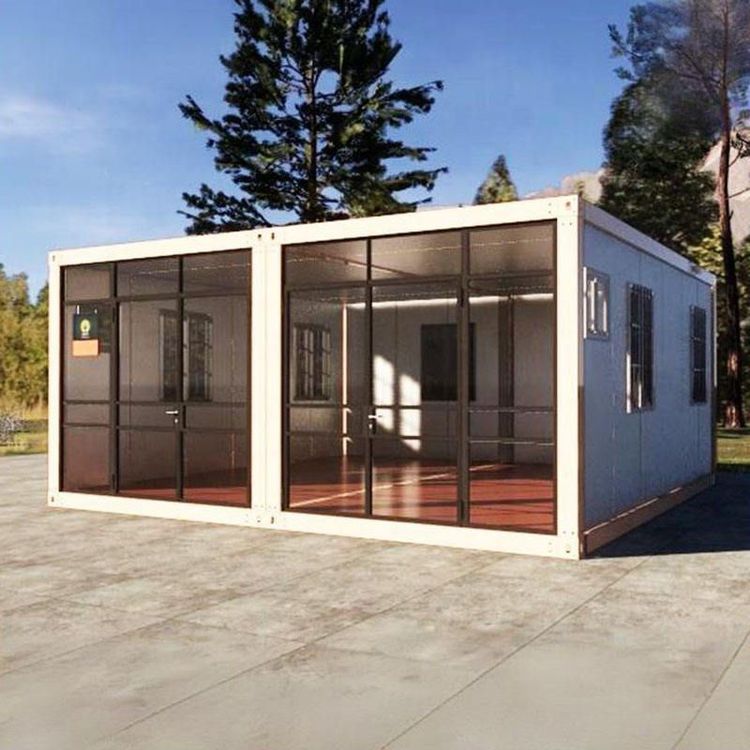
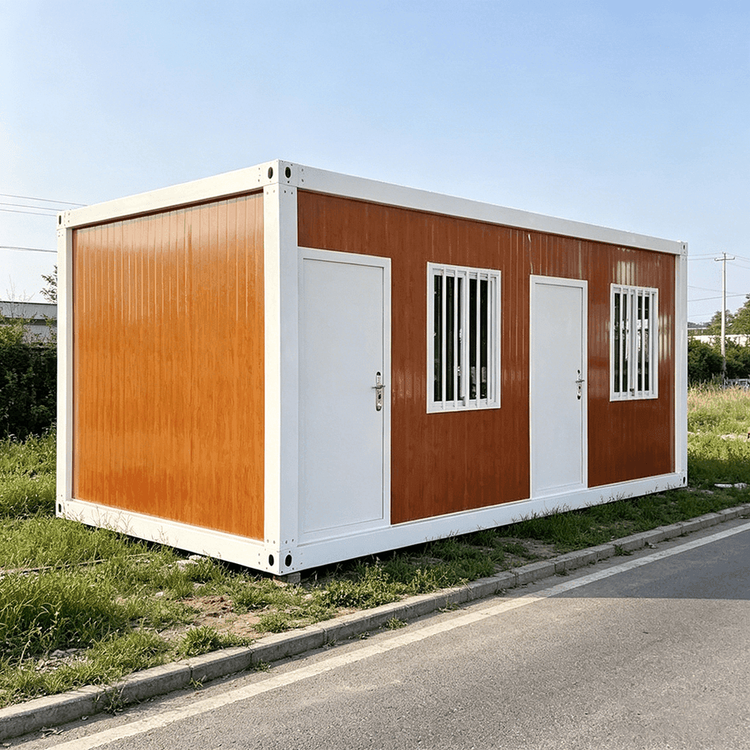
The installation process of mobile toilets mainly consists of three steps: the preparation stage, frame assembly, and detail handling and finishing work. Some finished mobile toilets can simplify the process and be directly connected for use.

I. Preparation Stage
- Site Confirmation: Choose a flat surface that can bear the weight of the mobile toilet to avoid structural tilting or damage due to an unstable foundation. At the same time, check whether the sewage pipes are unobstructed and ensure that the ground level meets the installation requirements to prevent drainage problems or water accumulation during subsequent use.
- Model and Configuration Selection: Select the appropriate mobile toilet model according to the usage scenario (such as scenic spots, construction sites, temporary events, etc.) and needs. For example, the packing type is suitable for scenarios without sewage pipes, collecting excrement through packing bags; the microbial degradation type uses microorganisms to decompose excrement, reducing odors and the frequency of cleaning. In addition, confirm whether additional functions such as water tanks, lighting, and ventilation are required.
- Tool and Material Preparation: Prepare tools such as screwdrivers, wrenches, and spirit levels in advance, as well as materials such as sealants and screws to ensure that the assembly process is not interrupted due to a lack of tools.
II. Frame Assembly
- Base Fixation: Place the mobile toilet base at the predetermined position and fix it with expansion bolts or ground anchors to ensure a firm connection between the base and the ground and prevent shaking.
- Wall Installation: Install the right, left, and front wall panels in sequence, tighten the connections between the components with screws to ensure structural airtightness. At the same time, install the upper slots to support the top components and reserve positions for ventilation louvers to enhance air circulation.
- Top Covering: Install the top cover on the upper slots and check whether the connection between the top cover and the walls is tight to prevent rainwater leakage. After assembly, check the firmness of each component again to ensure the overall structural stability.
III. Detail Handling and Finishing Work
- Cleaning and Sorting: Thoroughly clean the inside and outside of the toilet to remove dust or debris generated during the assembly process and ensure a hygienic usage environment.
- Bolt Tightening: Check whether all bolts and nuts are tightened to prevent component detachment or structural deformation due to looseness, which may affect normal use or pose safety hazards.
- Maintenance and Upkeep: Develop a maintenance plan according to the usage frequency, regularly clean the sewage system, replace packing bags or microbial strains, and check whether ventilation, lighting, and other equipment are operating normally.
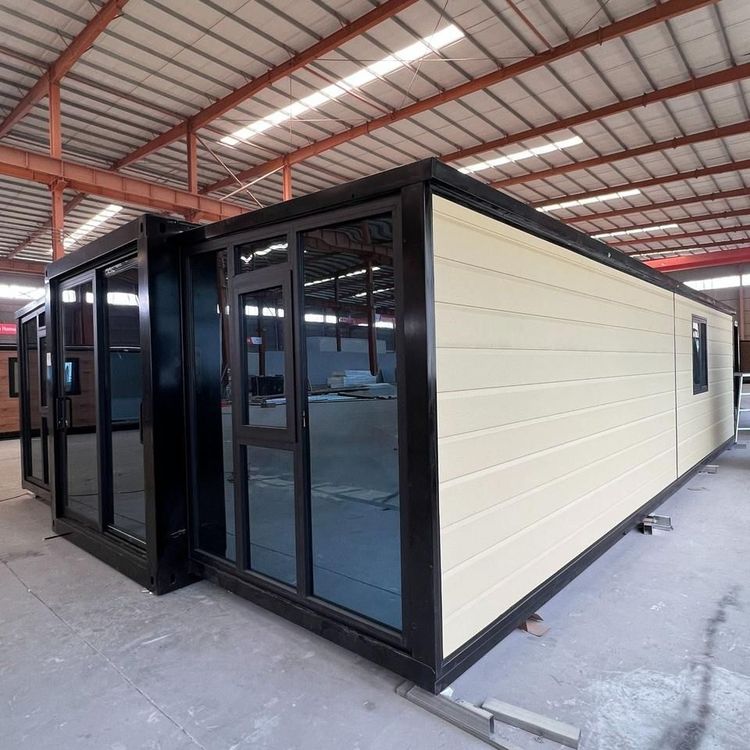
Special Note: Some mobile toilets are factory-prefabricated finished products with pre-installed internal water supply and drainage systems and reserved external interfaces. Such toilets only need to connect the sewage pipes and water inlet pipes to the external system and turn on the power supply to be used, greatly simplifying the installation process.