
Mobile Toilet Installation Panels
The mainstream choices for mobile toilet installation panels include sandwich panels (such as rock wool panels and polyurethane panels), high-density polyethylene (HDPE), and polyimide composite panels combined with eco-friendly aluminum panels. Here is a detailed analysis:
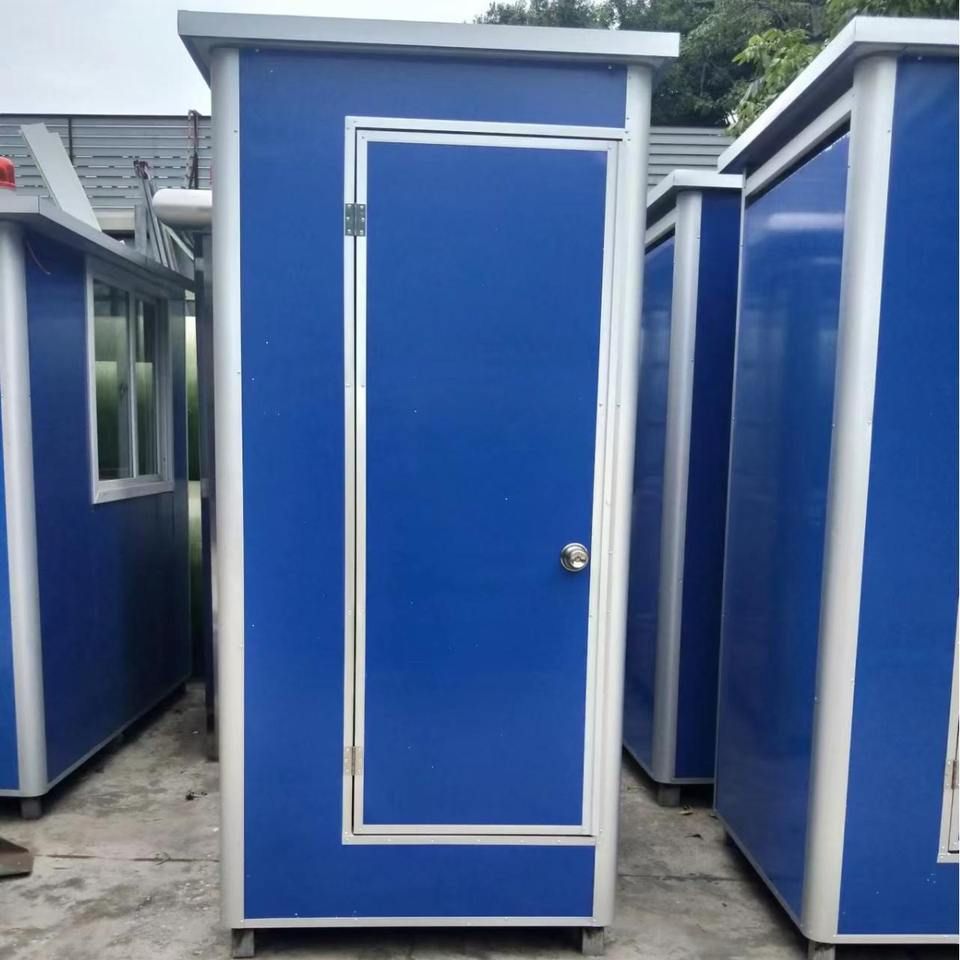
Sandwich panels are a common type of panel used in mobile toilet installations, with rock wool panels and polyurethane panels being widely applied. Rock wool panels are made from natural ores such as basalt, which are melted at high temperatures, fiberized, and then solidified with an appropriate amount of binder. They offer excellent fire resistance, thermal insulation, and sound absorption properties, effectively enhancing the safety and comfort of mobile toilets. Polyurethane panels, on the other hand, are composed of a polyurethane foam core material and metal panels, providing advantages such as lightweight construction, high strength, thermal insulation, waterproofing, and moisture resistance. They are easy to install and can meet the needs of rapid mobile toilet setup.
High-density polyethylene (HDPE) is also commonly used in mobile toilet installations. HDPE is a thermoplastic resin with excellent chemical resistance, low-temperature resistance, and electrical insulation properties. It is strong, tough, and not prone to deformation. Panels made from HDPE are not only durable but also effectively resist erosion from environmental factors such as ultraviolet light and acids and alkalis, extending the service life of mobile toilets.
Polyimide composite panels combined with eco-friendly aluminum panels represent a new type of mobile toilet installation material that has emerged in recent years. Polyimide composite panels are lightweight, high-strength, and offer excellent thermal insulation, resistance to high and low temperatures, ultraviolet light, acids, alkalis, and weathering. Eco-friendly aluminum panels further enhance the waterproof and fireproof properties of the panels. This combined panel not only offers superior performance but also significantly reduces the overall weight of mobile toilets (by more than 50% compared to traditional metal toilets), facilitating transportation and installation. Moreover, it can be reused multiple times, reducing usage costs. The standard dimensions for a single mobile toilet are 8.9 meters in length, 3.7 meters in width, and 3.3 meters in height, covering an area of approximately 33 square meters with a total space of about 108 cubic meters and a total weight of less than 8 tons, making it highly suitable for temporary or mobile scenarios.



