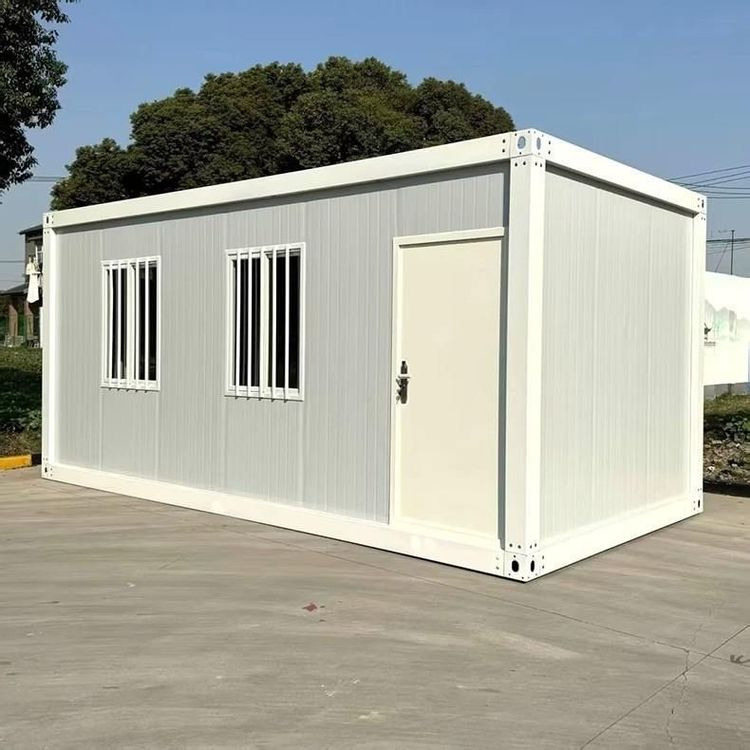
Mobile Toilet Installation Odor Prevention
The odor prevention in mobile toilet installation requires a comprehensive approach covering sealing structure, functional configuration, environmental adaptation, technical principles, and maintenance management. The specific key points are as follows:

1. Sealing structure design is the foundation of odor prevention
The connection between the main body and the ground should use intact and crack-free sealant to prevent odors from escaping through the bottom gaps. The drainage outlet should be equipped with a one-way valve or a water seal structure to physically block the upward flow of gases from the sewage pipes. The door gaps should be sealed with tightly fitting sealing strips to reduce air convection. In addition, components such as odor-proof floor drains and silicone gaskets must be tightly sealed. For example, the gap between the floor drain core and the pipe should be controlled within 1mm, and the silicone gaskets should cover all possible air-leaking joints to ensure that odors cannot spread through structural gaps.
2. Odor-proof functional configuration requires multi-technology collaboration
Activated carbon filtration devices or deodorization modules are core configurations. Activated carbon removes odor molecules through adsorption and needs to be replaced regularly (usually every 3-6 months) to maintain effectiveness. High-end models adopt biodegradation technology to reduce odor production by decomposing organic matter through microorganisms. The ventilation system should be linked with the deodorization equipment. For example, the exhaust fan and the activated carbon filtration device should operate simultaneously to ensure air circulation while purifying odors. Neutral detergents can be added to the water tank to assist in deodorization by inhibiting bacterial growth, but the use of strong acids or alkalis that can corrode the equipment should be avoided.
3. Installation environmental adaptation affects odor prevention effectiveness
The location should be away from densely populated areas and food production areas to prevent odor diffusion from affecting the user experience. The ground should be kept level with a slope of no more than 2% to prevent water accumulation from damaging the sealant or causing sewage backflow. In humid or rainy weather, waterproof baffles should be installed to cover the ventilation openings and door gaps to prevent rainwater from seeping into the interior. If installed in an open-air environment, windproof design should also be considered to prevent strong winds from lifting the sealing strips or damaging the odor-proof components.
4. Technical principles support odor prevention reliability
Odor prevention relies on the combination of physical sealing and mechanical ventilation. For example, silicone gaskets fill gaps through elastic deformation, and exhaust fans reduce the internal odor concentration through forced air exhaust. Some models are certified by ISO9001 to verify their performance. For example, the durability test of the sealing structure should meet the requirement of 5000 opening and closing cycles without leakage, and the air volume of the ventilation system should reach 6-8 air changes per hour. The modular design facilitates quick installation, and a single unit can usually be put into use within 2-4 hours. Moreover, each module can be replaced independently, reducing maintenance costs.
5. Maintenance and emergency handling ensure long-term effectiveness
Regularly check the aging condition of the sealant (it is recommended to check every six months). If cracks or detachment are found, reseal it in a timely manner. The drainage system should be cleaned once a month to prevent hair, paper scraps, etc., from clogging the pipes and causing odor accumulation. In case of sudden odors, temporary deodorants (such as enzyme-containing sprays) can be used for emergency treatment, and problems such as loose pipes, poor drainage, or deodorization module failure should be investigated. If the one-way valve or water seal structure is found to be damaged, it should be replaced immediately to restore the odor prevention function.