
Benefits of Mobile Toilet Installation
The benefits of mobile toilet installation are primarily reflected in flexible deployment, space optimization, environmental protection and energy conservation, scenario adaptation, convenience and flexibility, and health protection.
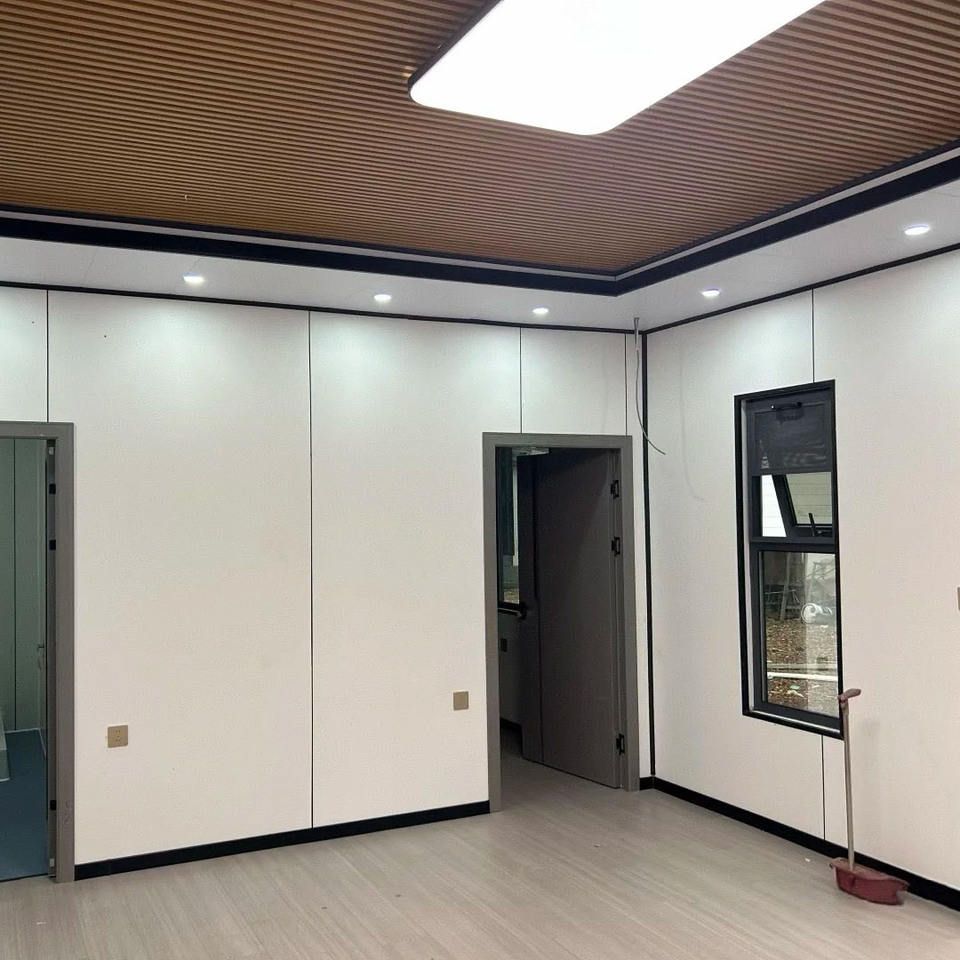
Flexibility and rapid deployment are the core advantages of mobile toilets. They adopt a modular design, requiring no complex civil engineering work. They can be put into use simply by lifting, connecting to water and electricity, and can usually be deployed within a few hours. This feature makes them the preferred choice for temporary and emergency venues, such as large-scale open-air music festivals, sports events, or exhibitions, where they can quickly add a large number of toilet stalls to alleviate peak-period toilet pressure.
High space utilization is another significant advantage. Traditional public toilets require permanent land occupation, while mobile toilets can be flexibly placed in corners, along roadsides, or beside green belts, achieving intensive land use. This characteristic effectively solves the problem of limited land resources in urban cores or scenic spots, especially suitable for renovations in old urban areas or capacity expansions during peak seasons in scenic spots.
Environmental protection and energy conservation are important development directions of modern mobile toilets. They generally use water-saving fixtures, such as vacuum toilets that require only 1-2 liters of water per flush, significantly reducing water consumption. At the same time, they are equipped with septic tanks or microbial degradation systems to achieve harmless treatment of feces. Some high-end products also integrate solar power supply, automatic ventilation, and intelligent deodorization functions, further reducing energy consumption and environmental impact.
Wide applicability is a prominent feature of mobile toilets. In municipal engineering, they can serve as a supplement to urban public toilets, solving the problem of insufficient public toilets in old urban areas or busy streets; in tourist attractions, adding mobile toilets during peak seasons or at temporary attractions can effectively alleviate toilet pressure for tourists; construction sites can provide basic sanitation facilities for workers by configuring mobile toilets, meeting safety production requirements; in emergency relief scenarios, their rapid setup capability can prevent the spread of diseases after disasters and ensure public health safety.
Convenience and flexibility are reflected in their independent box structure and transportation convenience. Mobile toilets do not rely on underground sewage networks or fixed water source connections and can be transported by vehicles to any location. After the event or project is completed, they can be quickly removed without leaving traces, avoiding long-term land occupation.
Health and hygiene protection are the design priorities of modern mobile toilets. Their enclosed space design provides privacy protection and isolates them from the external environment. They are generally equipped with antibacterial material toilet seats or squat pans, disposable seat covers, wall-mounted hand sanitizer dispensers, and other facilities. The forced ventilation system continuously exchanges air through roof vents to ensure internal air circulation, effectively inhibiting bacterial growth and protecting user health.



