
Back to blog
Article
Mobile Toilet Installation and Maintenance
Admin September 21, 2026
The installation and maintenance of mobile toilets involve two aspects: installation and maintenance, as detailed below:
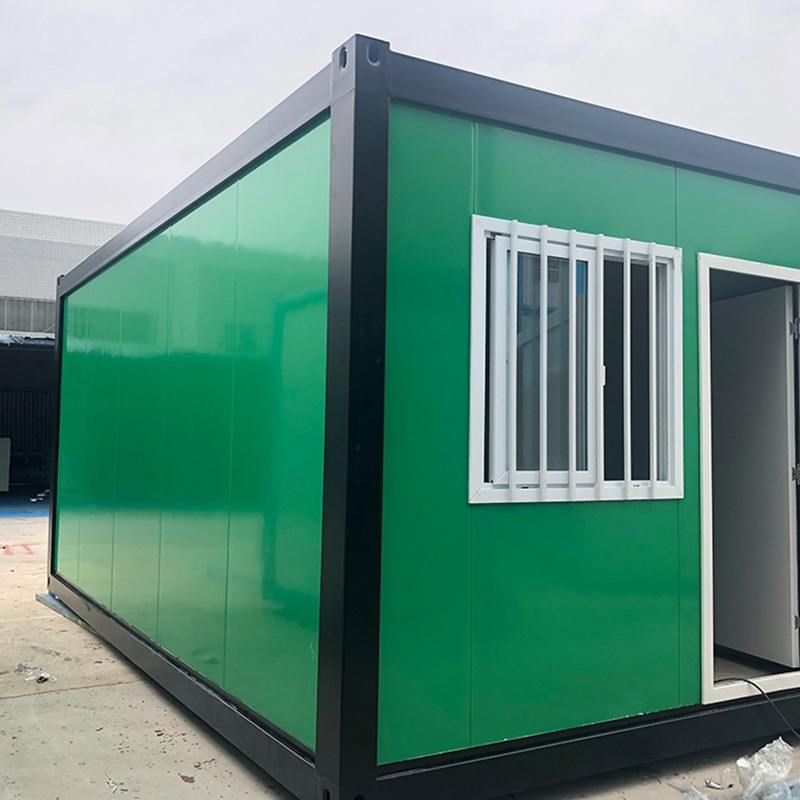
Installation
The installation of steel-structured mobile toilets is characterized by speed and convenience. They use high-strength steel as the main frame, employing CNC cutting and robotic welding techniques to ensure a high degree of precision in the components. The bottom support system is flexibly designed and can be equipped with adjustable feet or wheels. Adjustable feet can be adjusted according to the unevenness of the ground to ensure the stable placement of the toilet; wheels facilitate movement when frequent relocation is required, meeting the needs of different scenarios.
Maintenance
- Overall Structure and Appearance Maintenance
- Box Deformation or Cracking: Often caused by external impact or long-term uneven stress. Small cracks can be repaired with specialized plastic welding materials; if deformation or cracking is severe, affecting structural stability and sealing, the entire box or related components need to be replaced.
- Door Lock and Hinge Failures: Door lock malfunctions or rusty hinges are common issues. Regularly applying lubricant to the hinges and lock cores can delay rusting and maintain smooth operation. If the internal spring of the lock fails or the structure is damaged, it is recommended to replace the entire lock set directly to ensure safety.
- Vent Blockage: The top vent is crucial for maintaining air circulation. Regularly inspect and remove debris such as leaves, dust, or insect nests to ensure the vent remains unobstructed.
- Sanitary System and Flushing Devices
- Manual or Foot-Pedal Flushing Valve Failures: Common issues include failure to rebound after pressing, weak or no water flow, often caused by spring failure inside the valve, aging of the seal ring, or blockage by scale. During maintenance, first turn off the water inlet valve, disassemble the flushing valve, clean the scale, inspect and replace aging components, and replace the entire valve if it is cracked.
- Automatic Induction Flushing Device Problems: If there is no flushing or continuous flushing, first check the power supply (check battery level if battery-powered) and whether the infrared sensing window is obstructed by dirt. After ruling out these issues, it may be a control board or solenoid valve failure, requiring professional handling.
- Storage Tank and Pipe Leakage: Check the tank and connecting pipes for cracks or loose connections. Minor leaks can be repaired with waterproof sealing tape or specialized glue; for larger cracks in the tank, replacement is recommended due to low repair reliability.
- Waste Collection and Disposal System: For example, if a packing-type toilet fails to pack completely or cannot pack, corresponding maintenance is required.



