
Initial Business Plan for Mobile Toilets
The initial business plan for mobile toilets should revolve around project positioning, market analysis, product and service offerings, operational strategies, financial planning, and development opportunities, as detailed below:
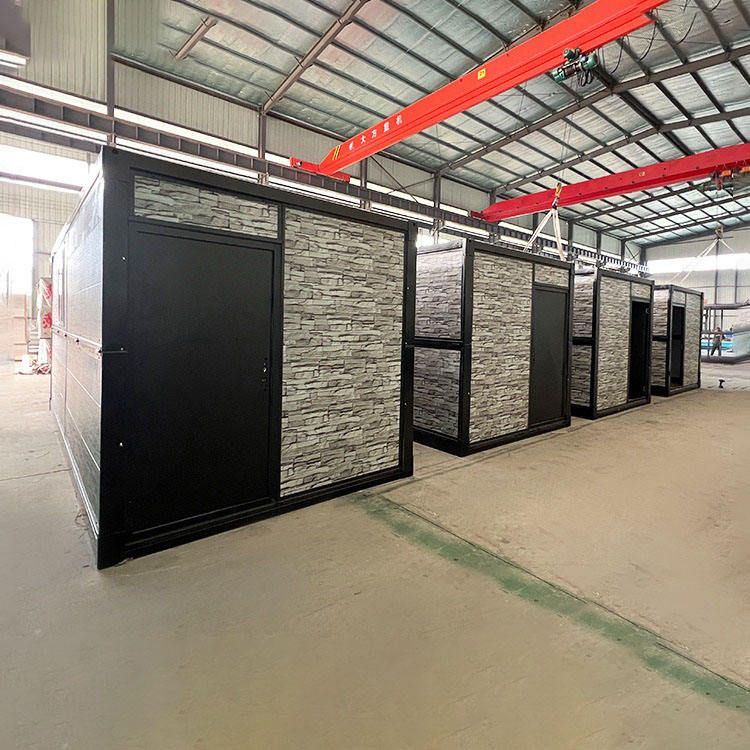
I. Project Positioning and Objectives Positioned as a leading domestic provider of comprehensive public sanitation facility services, with eco-friendly mobile toilets as the core product, offering one-stop solutions from planning and construction to long-term operation and maintenance. The objectives are to be achieved in three phases: in the short term, complete the construction and operation of the first batch of demonstration sites in target regions to validate technologies and business models; in the medium term, expand to multiple urban areas to form a replicable networked layout; in the long term, build a nationwide branded and intelligent service network and explore derivative values such as the resource utilization of excreta.
II. Market Analysis
- Demand Scenarios: Accelerated urbanization has led to a significant shortage of public toilets in public spaces, emerging development zones, and transportation hubs; tourist attractions face acute toilet shortages during peak seasons, necessitating eco-friendly and aesthetically pleasing mobile facilities; large-scale events (such as sports competitions and exhibitions) require rapidly deployable sanitation solutions; policies promoting the "Toilet Revolution" and smart city construction provide financial and policy support.
- Market Capacity: The market size for eco-friendly mobile toilets in China reached RMB 1.87 billion in 2024, with an annual growth rate exceeding 15%, and a potential market size exceeding RMB 10 billion; demand in the eastern coastal regions accounts for over 40%, with significant growth in the central and western regions (such as Sichuan, Yunnan, and Gansu).
- Competitive Landscape: Traditional simple toilets suffer from poor hygiene and high energy consumption; high-end products are costly and difficult to popularize; leading enterprises are increasing their market concentration, while small and medium-sized enterprises focus on niche segments (such as designs suitable for high altitudes and extreme climates).
III. Product and Service Offerings
- Core Products: Integrate water-saving/waterless technologies (vacuum self-priming, microbial degradation, foam sealing, achieving over 90% water savings or waterless operation), waste resource utilization (conversion of excreta into organic fertilizer), and green energy (solar power supply); enhance user experience with additional functions such as intelligent monitoring and solar lighting.
- Service Models: Provide customized one-stop services, deploying equipment for urban parks, tourist attractions, temporary construction sites, and other scenarios, and responsible for long-term operation and maintenance.
IV. Operational Strategies
- Market Expansion: In the short term, focus on urban public spaces, tourist attractions, and events as entry points; in the medium term, replicate the model to form regional networks; in the long term, build a nationwide network and explore data value.
- Technological Optimization: Develop efficient water-saving/waterless technologies and introduce the Internet of Things for remote monitoring and management.
- Cooperation Models: Collaborate with governments, tourist attractions, and event organizers to provide customized solutions; partner with environmental protection and technology enterprises to enhance product competitiveness.
V. Financial Planning
- Initial Investment: Cover equipment procurement, technological research and development, demonstration site construction, and team building expenses, with a clear allocation of funds for production expansion and equipment acquisition.
- Revenue Sources: Equipment leasing and sales, long-term operation and maintenance service fees, and resource utilization of excreta (such as sales of organic fertilizer).
- Risk Control: Develop flexible strategies to cope with demand fluctuations and technological iterations; reduce financial pressure through policy support and profit-sharing collaborations.
VI. Development Opportunities Policy dividends (ecological civilization construction, rural revitalization), technological upgrades (optimization of microbial degradation, popularization of intelligent functions), scenario expansion (urban construction, emergency relief), and significant growth in the central and western markets provide long-term impetus for the industry.



