Ingredients for Mobile Toilets
The ingredients and constituent materials for mobile toilets mainly include the following categories:

The construction of mobile toilets involves a variety of materials and devices, with core functional components and auxiliary facilities working together to ensure user experience and environmental adaptability. Materials related to fecal treatment are a core component of mobile toilets. Traditional mobile toilets are typically equipped with fecal sewage storage tanks for temporary storage of waste, while some high-end models use fecal sewage treatment devices that achieve initial purification through physical or chemical means. The liquid medium in waterless flushing mobile toilets is often a treatment solution with added biological enzyme preparations. This solution can decompose organic matter, suppress odors, and reduce the difficulty of subsequent cleaning. Its formula typically includes biological enzymes, surfactants, and antibacterial ingredients.
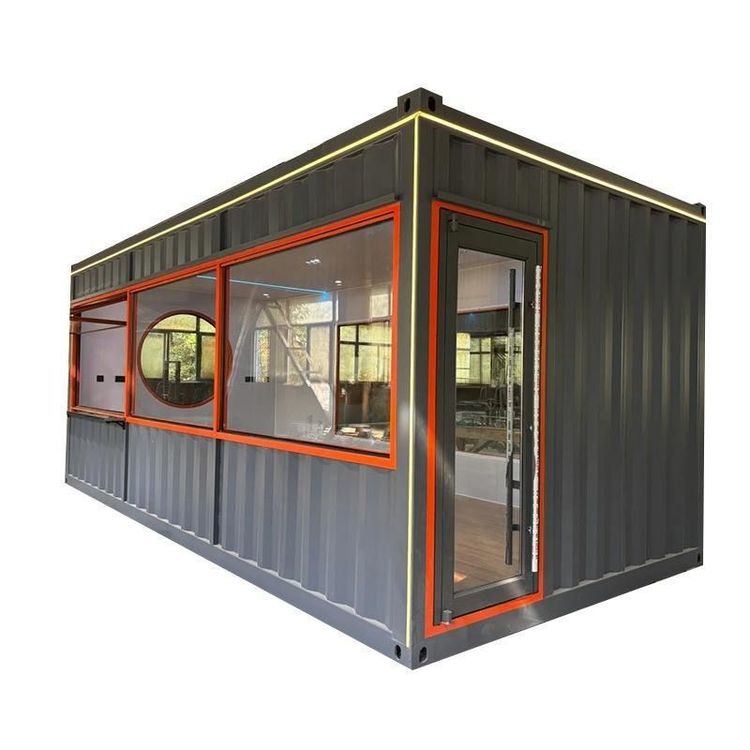
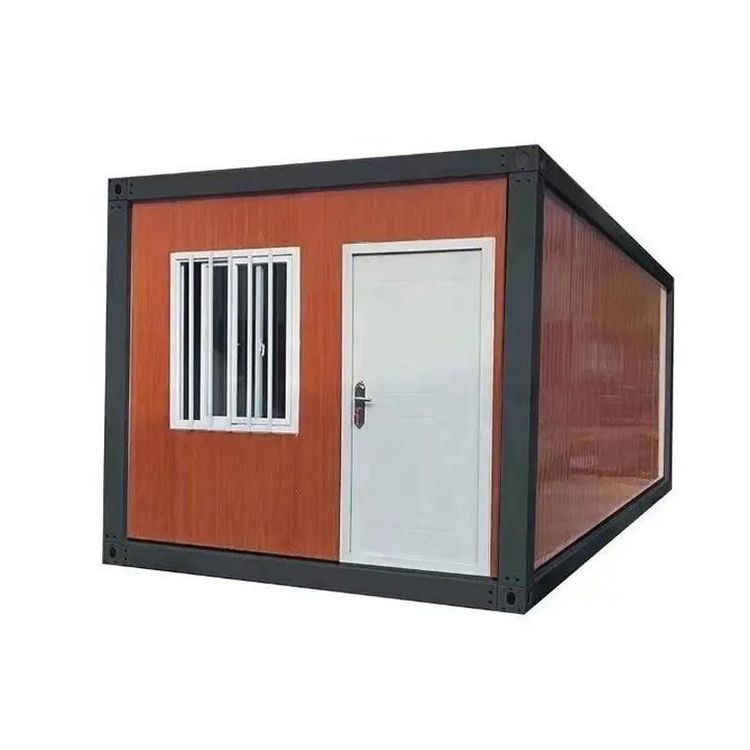
Structural main body materials determine the durability and environmental adaptability of mobile toilets. Metal embossed panels are a common wall material, generally eight centimeters thick, with a surface metal layer that resists rust and internal insulation material that effectively retains heat, making them suitable for cold regions or areas with large temperature variations. Some mobile toilets are molded as a whole using high-density polyethylene (HDPE) or reinforced polypropylene (PP) materials. These materials are lightweight, corrosion-resistant, and easy to clean, and can be molded in one piece, reducing joint gaps and improving sealing.
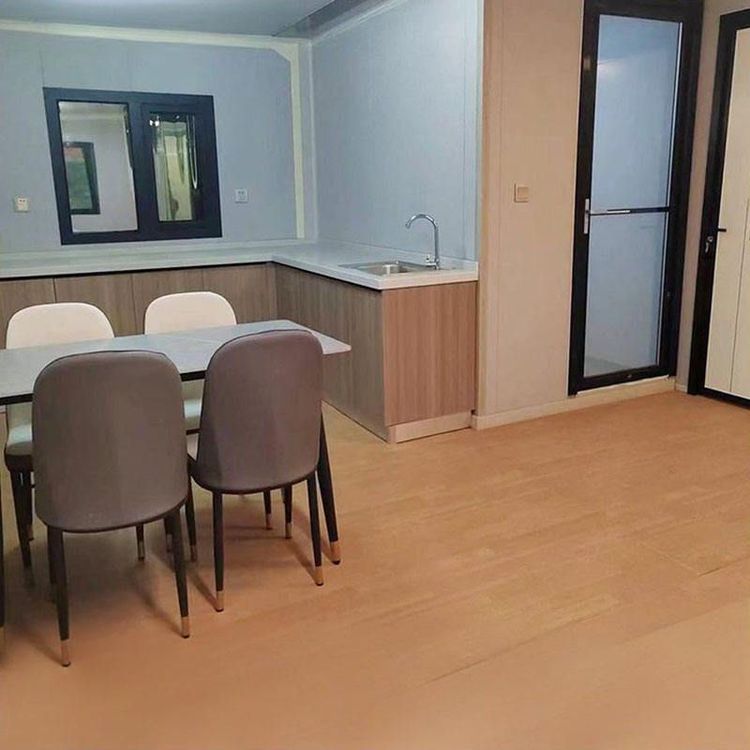
Internal facility accessories directly affect ease of use. Sanitary fixtures include squat or sit toilets, mostly made of ceramic or engineering plastics, which need to be slip-resistant and easy to clean; water tanks are used to store flushing water, with capacities adjusted according to design requirements, and some models are equipped with water-saving valves to reduce water consumption; washing facilities such as sinks and faucets are usually made of stainless steel or corrosion-resistant plastics, with some high-end models integrating water heaters and showerheads to provide hot water supply.
Auxiliary devices and materials enhance the flexibility and functionality of mobile toilets. Roofing materials need to be waterproof and sun-resistant, commonly being color-coated steel sheets or composite materials; flooring typically uses slip-resistant tiles or corrosion-resistant plastic sheets to ensure safety during use; mobile devices such as wheels and towing frames allow the toilet to be quickly moved to different locations, adapting to scenarios such as temporary events or disaster relief efforts.