
Mobile Toilet Ingredients
The ingredients (material composition) of mobile toilets mainly include the main structure, walls, interior walls, floors, water tanks and sewage pipes, hardware components, and other special materials, as detailed below:
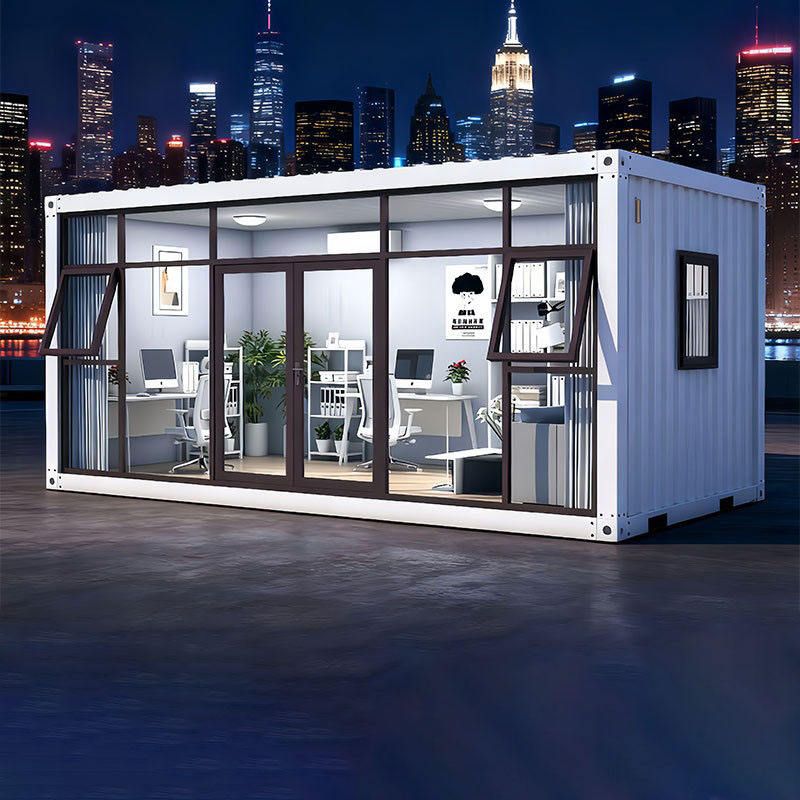
Main Structure: The main structure serves as the framework of the mobile toilet, typically constructed from galvanized steel pipes or lightweight steel structures. This material is rust-resistant and has good load-bearing capacity, ensuring that it remains intact after multiple lifts and relocations. Some entire structures are made of galvanized steel, while others use metal carved panels with a thickness of eight centimeters, offering thermal insulation and rust resistance, with a service life of up to twenty years.
Wall Components: The主流 (mainstream) wall material is sandwich panels, also known as 'color-coated steel sandwich panels' or 'composite panels'. These panels consist of color-coated steel or aluminum sheets on both sides, with a core of polystyrene, rock wool, or polyurethane foam, providing excellent thermal insulation and being lightweight, making them an ideal choice for mobile toilet walls.
Interior Wall Materials: Common interior wall materials include high-density PVC panels or stainless steel panels. These materials have smooth surfaces, are resistant to dirt buildup, and can be easily cleaned with a simple rinse, facilitating maintenance and ensuring a hygienic environment inside the mobile toilet.
Floor Materials: The floors are often made of non-slip patterned aluminum plates or rubber flooring, offering both slip resistance and resistance to acid and alkali corrosion. Some high-end models also incorporate a fiberglass anti-corrosion layer on the chassis to prevent leaks and odor escape, enhancing the user experience of the mobile toilet.
Water Tanks and Sewage Pipes: Water tanks and sewage pipes are mostly made of PE (polyethylene) material, which is tough and resistant to low temperatures, preventing cracking in winter and ensuring normal operation of the mobile toilet in cold environments.
Hardware Components: Hardware components such as door panels, locks, and handrails are mostly made of engineering plastics or stainless steel, ensuring long-term use without rusting or deformation, and improving the durability of the mobile toilet.
Others: Some intelligent ecological toilets use photocatalyst coatings on their interior walls, which can decompose odor molecules, reducing the need for chemical deodorizers and enhancing the environmental performance of the mobile toilet.



