Mobile Toilet Industry Trends
The mobile toilet industry is currently experiencing trends such as the expansion of market application scenarios, the upgrading of product categories and functions, positive industry development trends, increased competition and branding, and strengthened policy support.
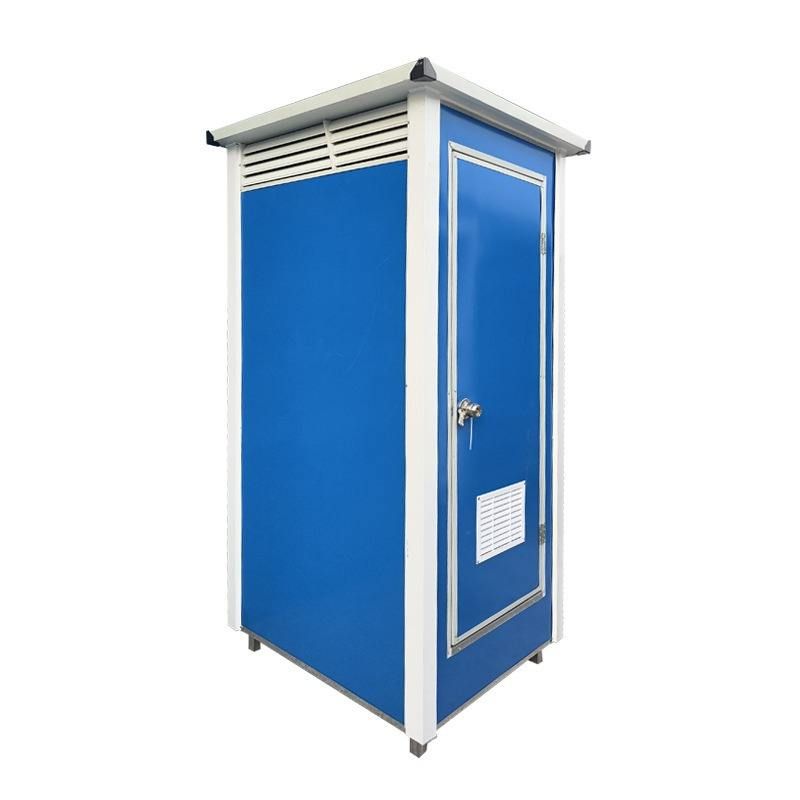
Expansion of Market Application Scenarios: Mobile toilets have traversed four core sectors: elderly care, outdoor cultural tourism, emergency disaster relief, and engineering infrastructure, completing the transition from niche medical aids to universal consumer products for the general public. The application scenarios of mobile toilets in Jiangxi have extended from traditional construction sites and scenic spots to urban streets, large-scale exhibitions, marathons, and other events. Simultaneously, their application scenarios continue to expand into multiple fields such as cultural tourism attractions, municipal emergency response, event exhibitions, and new energy power stations, demonstrating strong market adaptability and development potential.
Upgrading of Product Categories and Functions: The domestic market has formed three mainstream categories: simple models, packaged models, and self-contained freshwater and wastewater models. The overseas market has derived high-end细分 (niche) categories such as vehicle-mounted pull-out models, barrier-free models for elderly care, and biodegradable environmentally friendly models. The intelligence level of mobile toilets in Jiangxi has significantly improved, equipped with functions such as automatic flushing and energy-saving lighting. Some have even introduced Internet of Things (IoT) technology for remote monitoring and management, enhancing the user experience and management efficiency.
Positive Industry Development Trends: Modular production has become mainstream, enabling batch prefabrication through standardized components, shortening project deployment cycles, reducing on-site construction complexity, and allowing flexible adjustment of product scale and configuration according to customer needs. Low-carbon and environmental protection have become rigid requirements. Prefabricated mobile toilets are produced in factories, with no construction waste generated during on-site installation. After use, the products can be disassembled as a whole, with components that can be recycled and reused, resulting in lower carbon emissions throughout their lifecycle. Customization demands continue to escalate, requiring enterprises to possess rapid product iteration capabilities and provide scenario-specific customization services.
Increased Competition and Branding: Competition in the mobile toilet industry in Jiangxi is intensifying day by day. A number of professional manufacturing enterprises have emerged in the market, forming brand advantages by improving product quality and optimizing services. In the future, branding and specialization will be important trends.
Strengthened Policy Support: With the national emphasis on public health facility construction, Jiangxi has introduced a series of supportive policies to promote the development of the mobile toilet industry, providing a favorable development environment for enterprises and facilitating industry standardization and normalization.