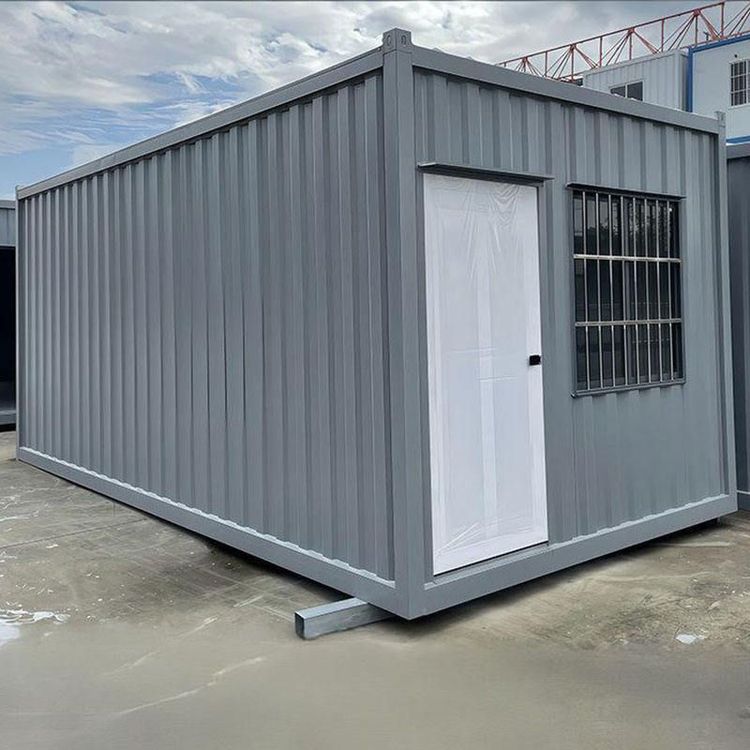
Mobile Toilet Industry Standards
Mobile toilet industry standards cover multiple aspects including structural materials, sanitary ware, electrical safety, environmental adaptability, sewage treatment, and design specifications, as detailed below:

Structural Material Standards: Main structural materials such as steel and wood must meet design specifications and quality requirements. Steel must have a quality certificate and be free from rust and cracks, while wood must be dry and free from decay and insect damage. Wall materials such as color-coated steel sheets and fiberglass-reinforced plastics must have uniform color without scratches or deformation, with the coating thickness of color-coated steel sheets and the strength and corrosion resistance of fiberglass-reinforced plastics meeting standards. Floor materials such as non-slip tiles and anti-corrosion wooden floors must be hard, wear-resistant, and non-slip, with wooden floors requiring anti-corrosion treatment and controlled moisture content.
Sanitary Ware Standards: Toilets, sinks, faucets, etc., must be reliable in quality and water-saving, accompanied by product certificates and quality inspection reports. The toilet's sewage outlet must be equipped with a flip-type odor blocker to prevent odor overflow.
Electrical Safety Standards: Electrical wiring must be neat and standardized, with wires protected by conduits and different voltage levels separated. The distribution box must be installed in a location convenient for operation and maintenance, with all electrical components intact and reliable. Lighting fixtures must be installed according to design requirements, with accurate positioning and appropriate brightness. Switch and socket installations must be at consistent heights, with deviations within the same room not exceeding specified limits. After installation, insulation resistance tests and power-on tests must be conducted to ensure the electrical system is safe and reliable.
Environmental Adaptability Standards: Mobile toilets must be able to operate within an environmental temperature range of -40℃ to 60℃, ensuring normal use under various climatic conditions. They must also have wind, earthquake, and lightning resistance capabilities to remain stable and safe during severe weather or natural disasters such as earthquakes.
Sewage Treatment Standards: Sewage disposal methods must comply with environmental requirements, such as using biodegradation, foam sealing, and other eco-friendly technologies. Sewage disposal units must be well-sealed to prevent leakage, and waste tanks must be equipped with automatic full-level alarms to remind staff of timely fecal removal.
Design Specification Standards: Internal space design must be reasonable, ensuring sufficient activity space for users, with both toilet compartments and management rooms having internal spaces no smaller than specified dimensions. Barrier-free design must be considered, such as providing disabled compartments and grab bars. Signage and labels must comply with relevant standards, such as using bilingual (Chinese and English) signboards.