Mobile Toilet and Human Waste
Mobile toilets can handle human waste, and there are various types with different disposal methods; portable commodes can also be used to address human waste issues, but they differ from mobile toilets in concept and usage scenarios.
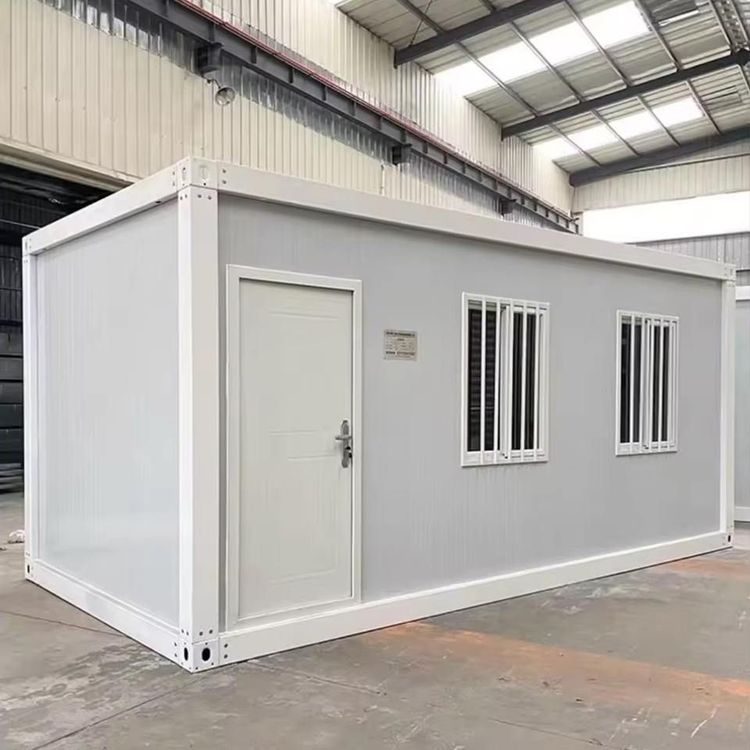
Mobile toilets are facilities that provide toilet services for the public and customers. They can be moved as a whole and placed at locations with fixed or temporary needs. Mobile toilets are classified into several types based on sewage treatment methods:
- Flushing and Non-flushing Suction-type Mobile Toilets: Flushing mobile toilets use water to flush human waste, directing it into sewers or dedicated collection containers, similar to the flushing method of traditional fixed toilets, but requiring a water connection. Non-flushing suction-type mobile toilets do not require water for flushing. Instead, they use the principle of negative pressure suction to directly draw human waste and other contaminants into collection containers, making them suitable for places with scarce water resources or where a water connection is not possible.
- Recirculating Flushing Mobile Toilets: These mobile toilets are equipped with a water recirculation system. After filtering and disinfecting the used sewage, the system reuses it for toilet flushing, achieving water resource recycling. This not only saves water but also reduces environmental pollution.
- Dry Packaging Mobile Toilets: They use biodegradable plastic bags or packaging materials to directly package and collect human waste, eliminating the need for water flushing and sewage generation. After use, only the packaged waste bags need to be removed and disposed of, making them very convenient and suitable for places with high environmental requirements or without sewage treatment facilities.
A portable commode is a portable toilet device primarily used by groups such as the elderly, pregnant women, and disabled individuals with mobility issues to address toilet difficulties in environments like bedrooms. It comes in two designs: bucket-type and leg-type. Common models based on waste container capacity include 10-liter and 20-liter options. For example, a 10-liter model has dimensions of approximately 410×355×310 mm, while a 20-liter model measures about 410×355×420 mm. After using a portable commode, the waste in the container needs to be cleaned out for the next use.