How Do Mobile Toilets Move
The way mobile toilets move mainly depends on their design structure. Common methods include installing universal wheels at the bottom or using transportation tools to achieve overall movement.

Some mobile toilets move by having universal wheels installed at the bottom. For example, a young man made a movable toilet using a water storage tank and a pallet, with universal wheels fixed at each of the four corners of the pallet. This design allows the mobile toilet to be moved short distances like ordinary wheeled equipment, either by human pushing or with the help of small towing tools. It is suitable for scenarios such as temporary events and construction sites where frequent position adjustments are required. The design of universal wheels usually features 360-degree rotation, enabling flexible steering and easy operation in narrow spaces.
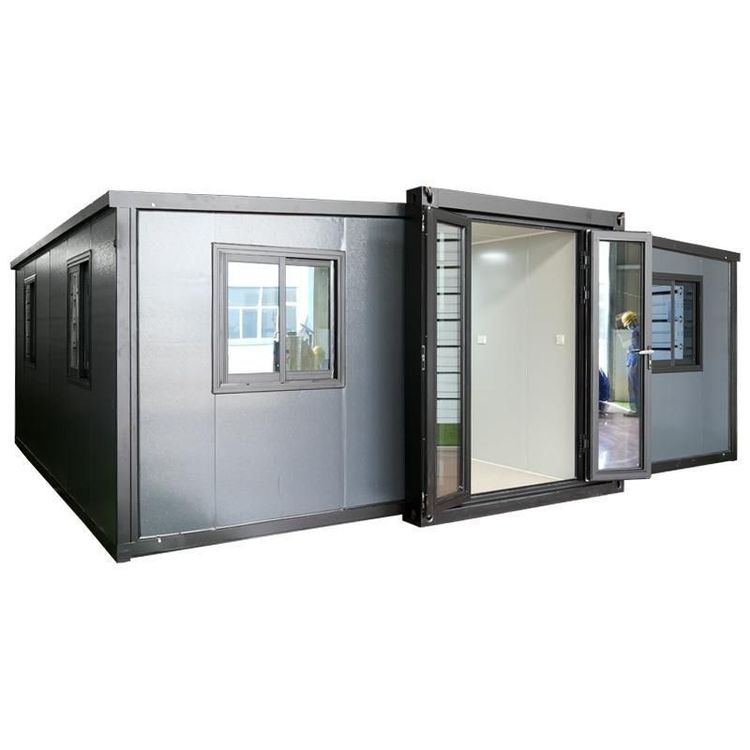
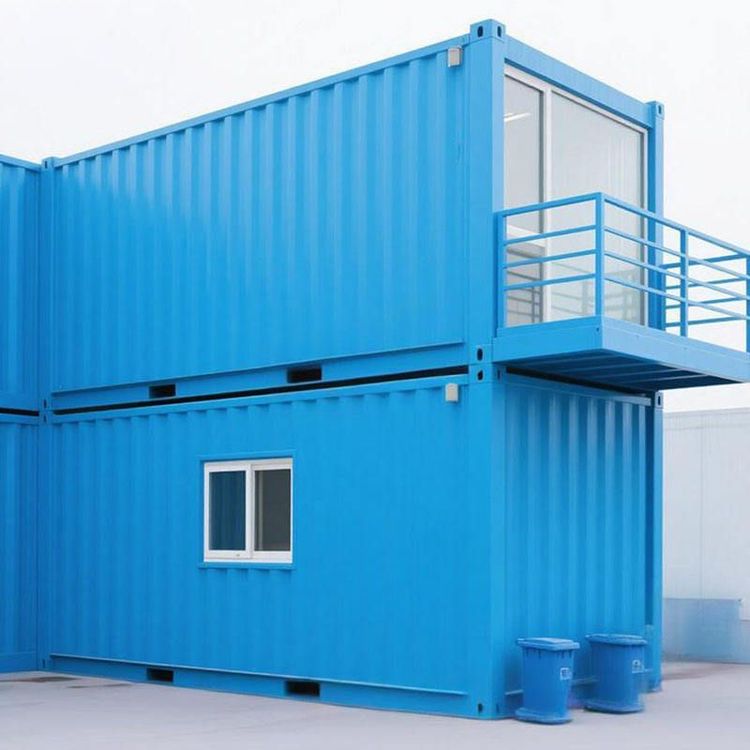
For some large or structurally complex mobile toilets, a modular design or the use of transportation tools may be adopted for movement. Modular mobile toilets consist of multiple independent units, each of which can be transported separately and then assembled upon arrival at the destination. This method is suitable for places that require long-term use but may change locations, such as tourist attractions and large exhibitions. During transportation, professional equipment such as forklifts, cranes, or flatbed trailers is usually used to hoist or tow the entire mobile toilet to the designated location, ensuring stability and safety during the transportation process.
In addition, some mobile toilets may combine multiple movement methods. For example, they may have lockable universal wheels at the bottom for short-distance movement and fixation, and at the same time, be designed with lifting rings or forklift holes to facilitate loading and unloading with mechanical equipment during long-distance transportation. This design takes into account both flexibility and transportation efficiency, meeting the usage requirements in different scenarios.
In summary, the movement method of mobile toilets needs to be determined based on their specific design structure. Small mobile toilets mostly use universal wheels for human-powered movement, while large or modular mobile toilets rely on transportation tools or lifting equipment for overall relocation.