Mobile Toilet and High-End Kitchen Renovation
The combined concept of 'mobile toilet and high-end kitchen renovation' is relatively rare in conventional scenarios, and no directly related mature solutions have been retrieved so far. However, we can conduct a popular science analysis from the perspectives of high-end design for mobile toilets and key points for high-end kitchen renovation.
High-End Design Directions for Mobile Toilets
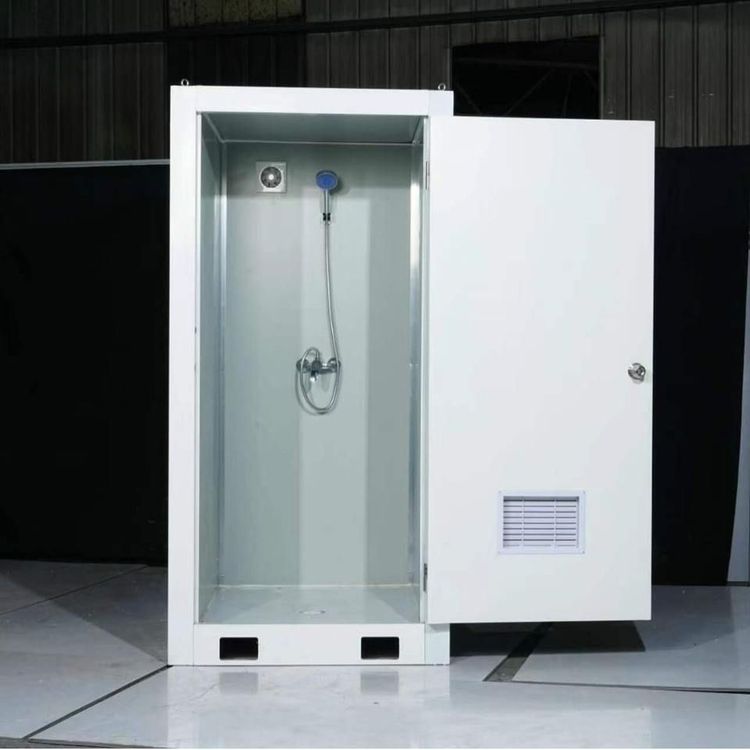
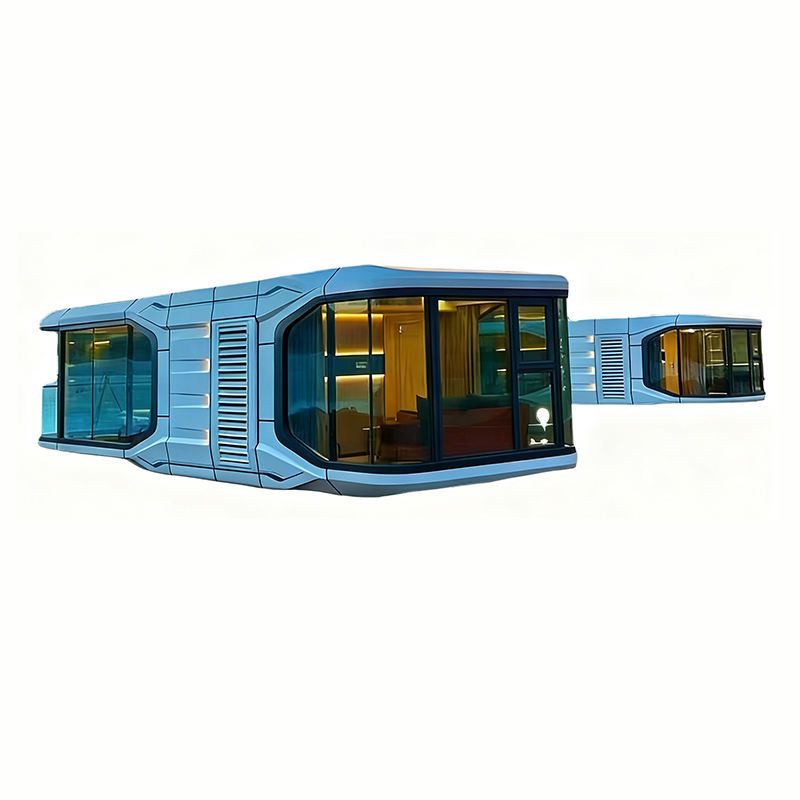
To achieve a 'high-end' positioning for mobile toilets, it is necessary to break through traditional simple structures and upgrade from three aspects: materials, functions, and intelligence. Material Selection: The exterior facade can adopt anti-corrosion, easy-to-clean metal composite panels or high-strength glass fiber reinforced plastics, paired with rust-proof metal frames to enhance durability and aesthetics. The interior partitions can use soundproof and heat-insulating lightweight panels, and the floor can use anti-slip, wear-resistant epoxy flooring or anti-slip tiles to ensure safety. Function Configuration: Basic functions should include independent squat/sit toilets, washbasins, and lighting systems. High-end versions can add intelligent sensor faucets, automatic flushing devices, air purification systems (such as activated carbon filtration + ultraviolet sterilization), and even air conditioning or heating equipment to adapt to different climatic conditions. Intelligent Design: Integrate Internet of Things (IoT) technology to monitor toilet occupancy status, temperature, humidity, and air quality in real-time through sensors, with data synchronized to a management platform. In some scenarios, emergency call buttons can be added to connect to a remote monitoring center, enhancing safety. For example, the 'high-end luxury ten-stall towed mobile toilet' mentioned in , although not involving a kitchen, demonstrates a scalable design concept with multiple stalls and towed mobility, from which its modular layout can be borrowed to optimize space utilization.
Key Points for High-End Kitchen Renovation
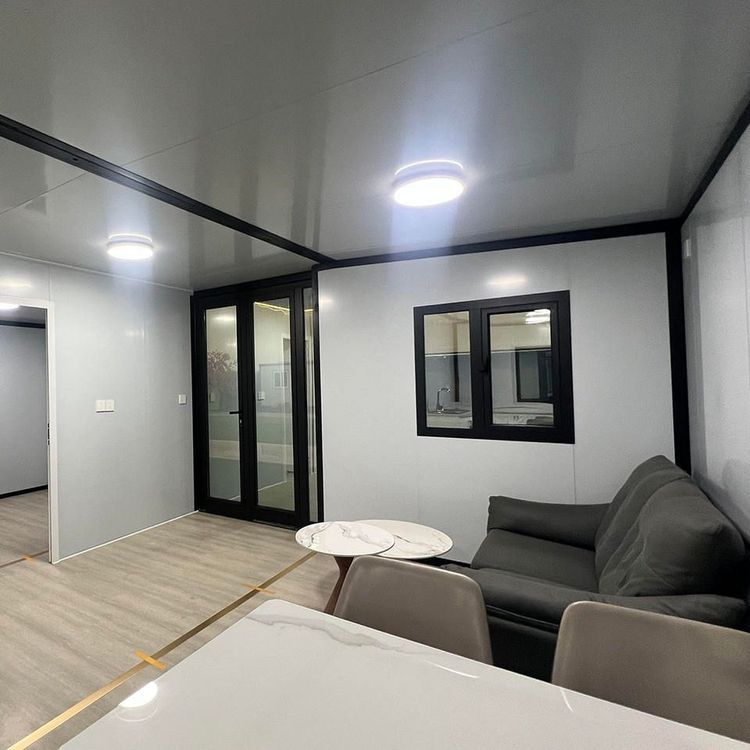
The 'high-end' aspect of kitchen renovation should balance practicality, aesthetics, and technological sophistication, focusing on three aspects: space planning, material selection, and equipment configuration. Space Planning: Adopt a 'U-shaped' or 'island-shaped' layout to optimize the workflow (wash-cut-cook sequence). Reserve sufficient storage space, such as a combination of base cabinets, wall cabinets, and tall cabinets, paired with drawer-type storage and corner pull-out baskets to enhance storage efficiency. Material Selection: Prioritize quartz stone or slate for countertops, which are heat-resistant and impermeable. For cabinets, choose environmentally friendly particleboard or multi-layer solid wood panels with surface treatments such as baking varnish or membrane pressing to enhance texture. For walls and floors, use anti-slip, easy-to-clean tiles or large-format slate to reduce dirt accumulation in seams. Equipment Configuration: Select branded products for core equipment (stoves, range hoods) to ensure adequate suction and firepower. For built-in appliances (steam ovens, dishwashers, refrigerators), plan dimensions and circuits in advance to maintain overall aesthetics. Pair sinks with pull-out faucets for easy cleaning. Some high-end kitchens can add central water purification systems and garbage disposers to enhance quality of life.
Analysis of the Relevance Between Mobile Toilets and Kitchen Renovation
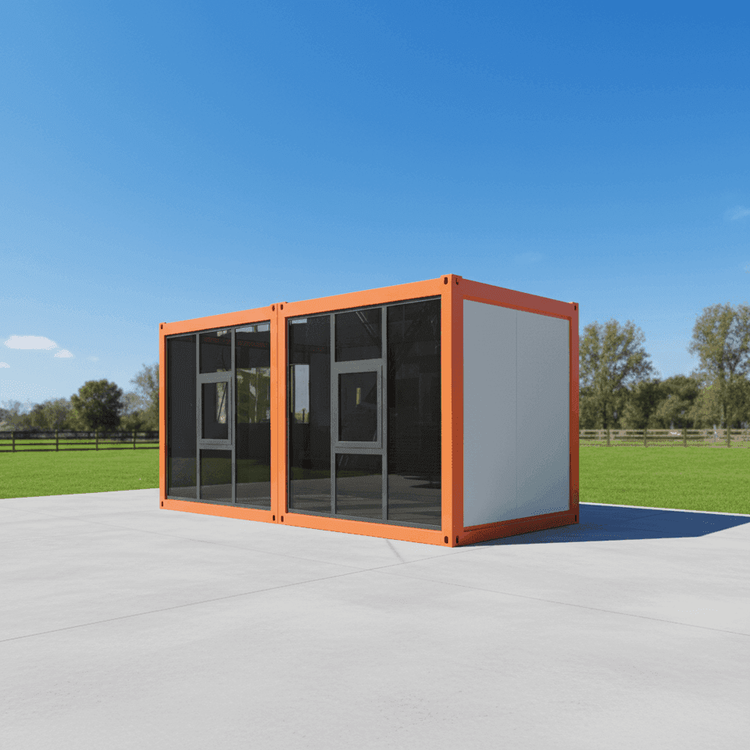
If combining mobile toilets with kitchens (such as in temporary event scenarios), it is necessary to focus on solving sewage treatment and spatial isolation issues: mobile toilets should be equipped with independent septic tanks or connected to municipal sewage pipes, while kitchens should have separate sewage discharge systems to avoid cross-contamination. The two should be completely separated by solid walls or soundproof partitions to ensure that kitchen operations are not disturbed by toilet odors or noise. Currently, such combined designs are mostly found in temporary buildings or special scenarios (such as post-disaster reconstruction and large-scale event support) and require customized solutions from professional teams.