Back to blog
Article
Images of Mobile Toilet Heating Devices
Admin September 27, 2026
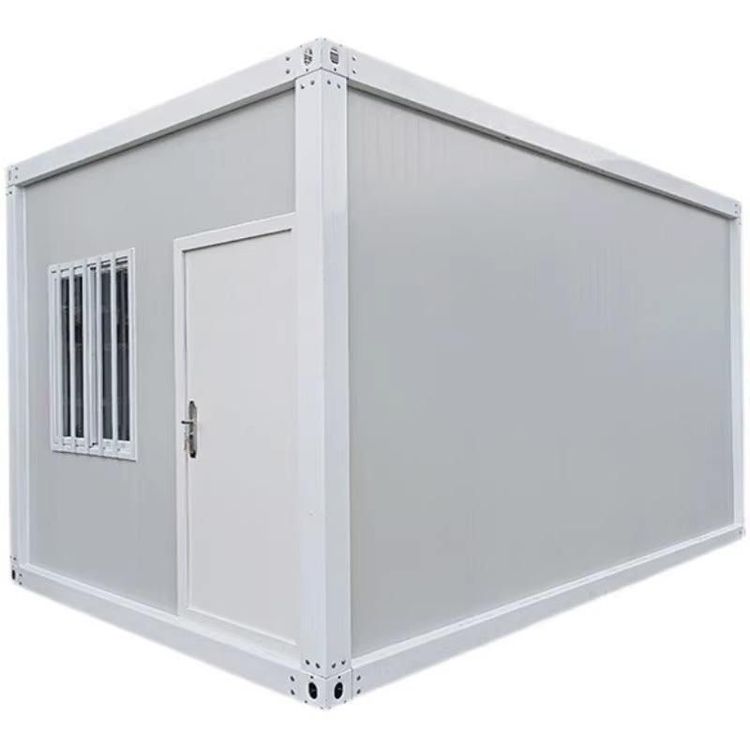
Currently, there are no directly available images of mobile toilet heating devices, but their common types and principles can be introduced.

Mobile toilet heating devices are designed to ensure the normal use of mobile toilets in cold environments. The common types and their principles are as follows:
I. Electric Heater-type Heating Devices
- Principle: They convert electrical energy into heat energy. Heating elements (such as resistance wires and ceramic sheets) generate heat, and then fans or natural convection are used to dissipate the heat into the interior space of the mobile toilet, raising the ambient temperature.
- Features: They heat up quickly and offer relatively convenient temperature adjustment, allowing different temperature levels to be set according to actual needs. However, they require a stable power supply and are restricted in areas without power or with unstable power.
II. Hot Water Circulation Heating Devices
- Principle: They achieve heating through a hot water circulation system. Generally, a heating device (such as a boiler) heats the water, which is then transported through pipes to radiators installed inside the mobile toilet. The radiators dissipate the heat into the surrounding air, and the cooled water flows back to the heating device for reheating, creating a continuous cycle.
- Features: They provide relatively uniform heating and can continuously supply stable heat. However, the system installation is relatively complex, requiring a certain amount of space for pipe and heating device layout. Moreover, the operating costs are relatively high, including water heating expenses and equipment maintenance costs.
III. Insulation Material Heating
- Principle: Insulation materials with good thermal insulation properties, such as polystyrene foam boards and rock wool boards, are used on the walls, roofs, and floors of the mobile toilet. These materials have a low thermal conductivity coefficient, effectively preventing heat transfer and reducing indoor heat loss, thus providing insulation.
- Features: They do not require additional energy consumption and are a relatively economical and environmentally friendly heating method. However, the heating effect of using insulation materials alone may be limited, and they usually need to be used in combination with other heating devices to enhance the heating effect.