
Mobile Toilet Handrail
The term 'mobile toilet handrail' is not a strictly standardized product name, but it can be understood as a toilet auxiliary handrail device with movable, flexible installation, or multifunctional characteristics, primarily serving the needs of barrier-free or convenient use.
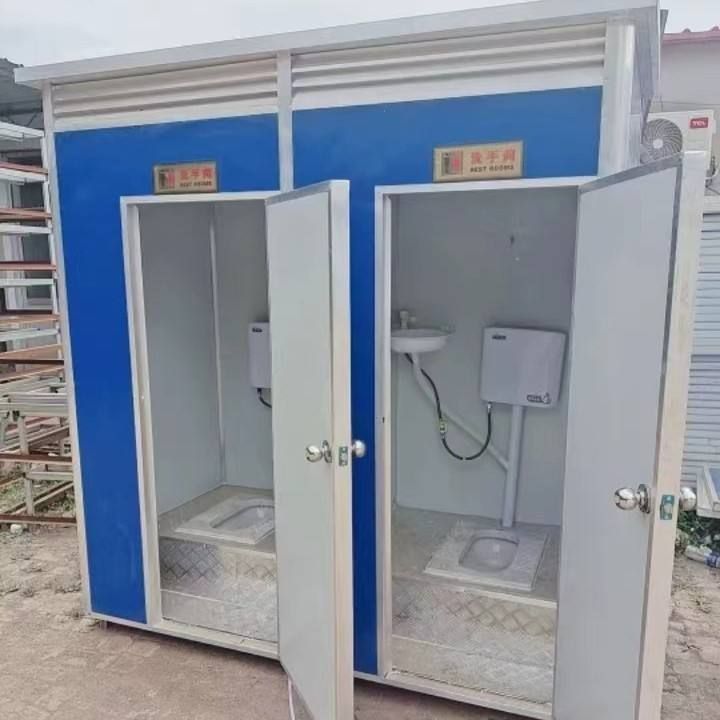
1. Movable or Flexibly Installed Squat Toilet Handles
Some squat toilet handles are designed to emphasize 'complex-free installation' and 'scenario adaptability'. For example, certain products are fixed using suction cups, clasps, or telescopic structures, eliminating the need for drilling holes in walls or damaging existing decor. Users can adjust the position or remove the handles as needed. These designs are commonly found in temporary toilets, outdoor event venues, or home renovation scenarios, with the core advantage of rapid deployment and spatial adaptability. However, they typically have a single function, primarily providing support during squatting.
2. 'Lightweight' Solutions for Multifunctional Toilet Assistance Devices
Another category of products close to the concept of mobile toilet handrails are adjustable and movable toilet assistance devices (such as folding handrails and wheeled stands). These devices typically have the following characteristics:
- Installation Convenience: They use clamps, suction cups, or stand structures, eliminating the need for fixed installation and allowing for quick disassembly or transfer to different bathrooms;
- Functional Expandability: Some designs integrate shower bench functions, achieving 'multi-purpose use' through folding or modular combinations, adapting to showering and toilet use scenarios;
- User Adaptability: The height and angle can be adjusted to meet the personalized needs of children, the elderly, or individuals with mobility impairments, enhancing safety during use.
3. Application Scenarios and Limitations
Mobile toilet handrails are suitable for scenarios such as temporary public restrooms, home barrier-free renovations, rental housing, or short-term living spaces. Their limitations include:
- Stability: Non-fixed designs may have limited load-bearing capacity due to installation methods (such as suction cups), requiring regular inspections;
- Lack of Standardization: Currently, there is a lack of unified product classification standards, requiring users to select devices with matching functions based on specific needs;
- Long-term Use: For long-term fixed use, it is recommended to choose professional barrier-free handrails (such as stainless steel drilled installation models) to ensure safety.
Summary: Mobile toilet handrails focus on flexibility, meeting temporary or dynamic scenario needs through modular, installation-free, or multifunctional designs. However, choices should be weighed based on usage frequency and safety requirements.



