
Back to blog
Article
Comprehensive Guide to Mobile Toilets
Admin October 08, 2026
Mobile toilets are facilities that can be moved as a whole, providing toilet services to the public and customers, suitable for various locations and with multiple classification methods.
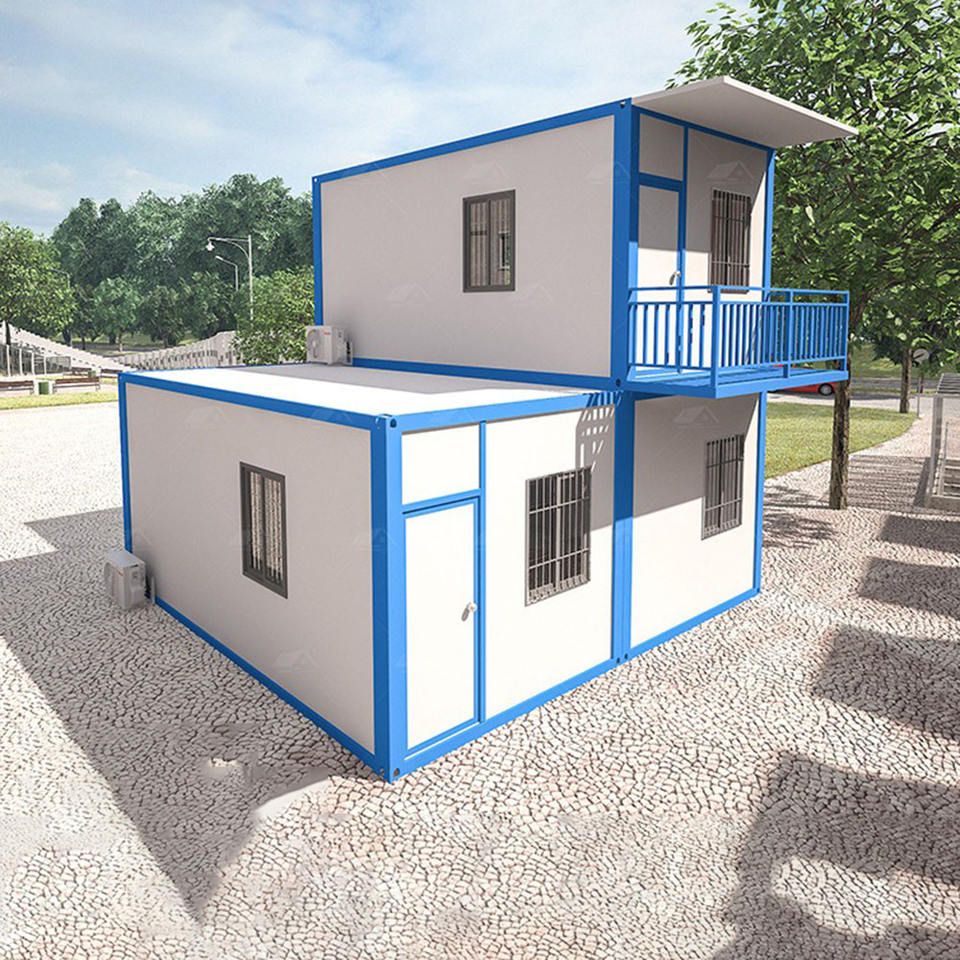
Suitable Locations
They are suitable for stations, docks, tourist attractions, villa areas, newly built residential areas, large construction sites, squares, densely populated public places, and bustling commercial streets, meeting people's temporary or periodic toilet needs in different scenarios.
Composition and Structure
Generally composed of fecal sewage storage tanks (or fecal sewage treatment devices), floor slabs, sanitary ware, walls, washing equipment, water tanks, roofs, and mobile devices, among others. Each part works together to ensure the normal operation of the toilet.
Classification
- Material Classification:
- Plastic Toilets: Lightweight and inexpensive, suitable for temporary use at construction sites, meeting the short-term toilet needs of construction workers and being easy to transport and install.
- Color-Steel Toilets: With the advantages of heat and sound insulation, they have a good appearance and are commonly found in parks and streets, providing a relatively comfortable toilet environment for people.
- Fiberglass Toilets: Molded as a whole, they are durable and unbreakable, suitable for disaster relief and emergency scenarios, maintaining good performance in harsh environments.
- Tent-Style Toilets: Simple to assemble and disassemble, similar to setting up a tent, suitable for temporary events, facilitating quick setup and removal.
- Mobility Classification:
- Lifting-Type: Require cranes for transportation, suitable for fixed locations such as construction sites, meeting the long-term use needs of construction sites with relatively fixed positions.
- Trailer-Type: Equipped with wheels, they can be pulled for movement, suitable for large events like music festivals, facilitating movement according to changes in the event venue.
- Sewage Treatment Classification:
- Waterless Packing-Type: Similar to diapers, they are sealed directly after use, suitable for scenarios like desert camping, requiring no water source and being convenient for use in water-scarce areas.
- Traditional Water-Flush Type: Require connection to sewage pipes, suitable for scenic spots with sufficient water sources, providing a relatively clean toilet environment.
- Foam Sealing-Type: A bit of foam is squeezed to cover odors, saving water and being environmentally friendly, commonly used in scenic spots, effectively reducing odors and water usage.
- Microbial Degradation-Type: Excrement can be turned into fertilizer, commonly found in ecological parks, achieving resource recycling.



