
Application of Glue in Mobile Toilets
The functions, usage methods, storage, and environmental impacts of applying glue in mobile toilets are as follows:
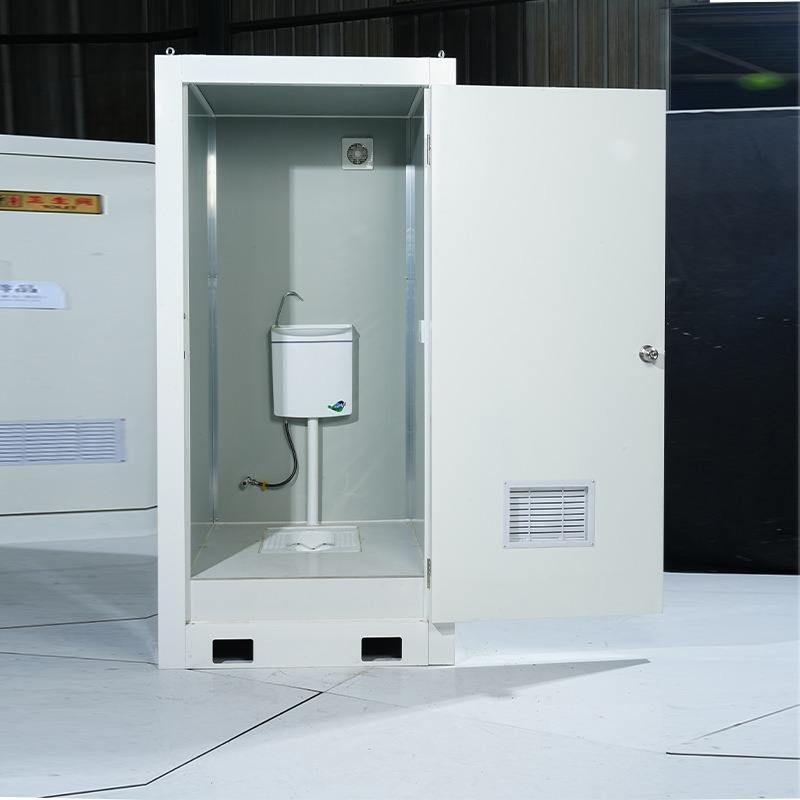
There are various types of glue used in mobile toilets, each with distinct functions. Pulp glue, made from cellulose, primarily serves to bind toilet waste and paper debris together, preventing pipe blockages and ensuring the normal operation of the mobile toilet and the smooth functioning of the drainage system. Biological glue, composed of active bacteria and enzymes, can decompose toilet waste, effectively eliminate odors, and improve the internal environmental quality of mobile toilets, providing users with a more comfortable experience. Chemical glue, made from chemical substances, can kill bacteria and eliminate odors but may have a certain impact on the environment.
When using glue in mobile toilets, certain steps should be followed. First, open the storage tank of the mobile toilet and pour the selected glue into it. Before using the toilet, spread a layer of toilet paper or other materials at the bottom to better absorb moisture and keep the interior of the toilet dry. After using the toilet, dispose of the toilet paper and waste into the mobile toilet. Then, use the toilet glue again by pouring it into the toilet to ensure it covers the toilet paper and waste. Finally, close the storage tank of the mobile toilet to allow the glue to fully take effect.
In terms of storage, mobile toilet glue should be placed in a dry, cool location, away from direct sunlight and high-temperature environments, as high temperatures and sunlight may affect the performance and quality of the glue. Additionally, it should be kept away from food and beverages and other items susceptible to contamination to prevent glue leakage from causing pollution.
From an environmental perspective, mobile toilet glue has a certain impact on the environment. Therefore, it is important to use it reasonably during the process, minimizing usage and avoiding waste. After use, waste and glue should be properly disposed of and not be randomly dumped or discarded to prevent pollution of soil, water sources, and other environmental elements, thereby protecting the ecological environment.



