Future Planning and Design of Mobile Toilets
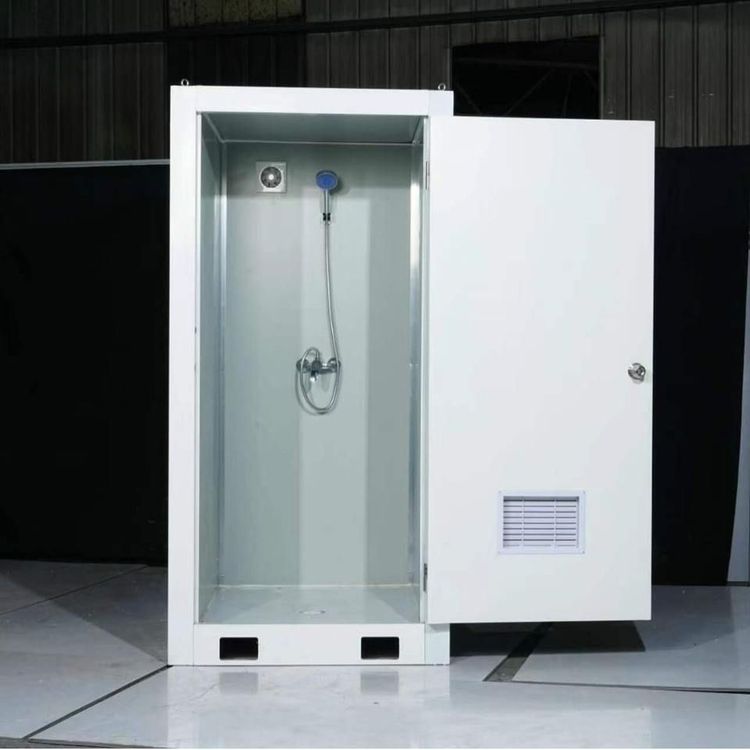
The future planning and design of mobile toilets will exhibit a trend of deep integration of technological upgrades, functional expansion, and sustainability, manifested in the following directions:

1. Transition to Biological Treatment Technologies
Microbial fuel cell technology will become a core breakthrough. This technology generates electricity directly by decomposing organic waste (such as excreta) through microorganisms, not only achieving resource utilization of waste but also reducing subsequent chemical treatment needs by approximately 60%. For example, some experimental designs have attempted to integrate microbial fuel cells with toilet systems, using the generated electricity to power internal lighting or sensors, forming a self-sustaining micro-energy cycle.
2. Comprehensive Integration of Data Interaction Capabilities
The widespread adoption of IoT modules will drive mobile toilets from 'passive use' to 'active management'. Through built-in sensors, the system can monitor usage frequency, consumable inventory (such as toilet paper, disinfectant), and environmental parameters (such as temperature, humidity, odor concentration) in real-time, with data collection accuracy significantly higher than manual inspections. After cloud-based analysis, this data can provide precise resupply scheduling for operation and maintenance teams, even predicting peak demand periods to optimize resource allocation.
3. Functional Integration and Platform-Based Design
Drawing on the strategy of electric vehicle chassis platforms, mobile toilets will break free from a single sanitation function, integrating additional modules such as emergency lighting, information display screens, and charging ports. For example, in disaster emergency scenarios, toilet units can quickly transform into temporary command centers or information hubs; in tourist attractions, they can be equipped with navigation systems or environmental monitoring equipment, becoming extensions of smart city services.
4. Intelligent Scheduling Systems Redefine Deployment Logic
Future mobile toilets may be equipped with AI-based scheduling systems that autonomously adjust deployment locations by analyzing historical usage data, pedestrian heatmaps, and weather information. For example, during large-scale events, the system can pre-deploy toilet units to predicted high-demand areas and automatically return them to regular locations after the event, achieving a transformation from 'fixed facilities' to 'dynamic resources'.
5. Environmental Protection and Sustainability Throughout the Entire Lifecycle
In material selection, biodegradable bio-based materials will replace traditional plastics, reducing environmental impact after disposal. For energy supply, the integration of solar panels and small-scale wind turbines can meet basic electricity needs. Water resource management achieves recycling of flushing water through membrane filtration technology, with utilization rates more than three times higher than traditional systems. Additionally, a combination of ultraviolet disinfection and activated carbon filtration air treatment technology can effectively suppress odors and kill pathogens.
6. Modular Design Enhances Flexibility and Adaptability
Standardized modular interfaces will allow for rapid assembly and functional expansion. For example, basic units can be stacked with sewage treatment modules, energy modules, or information modules, configured flexibly according to scenario requirements. This design not only shortens deployment cycles but also reduces usage thresholds by minimizing external dependencies (such as municipal pipeline connections), making it particularly suitable for remote areas or temporary scenarios.